X-Plane
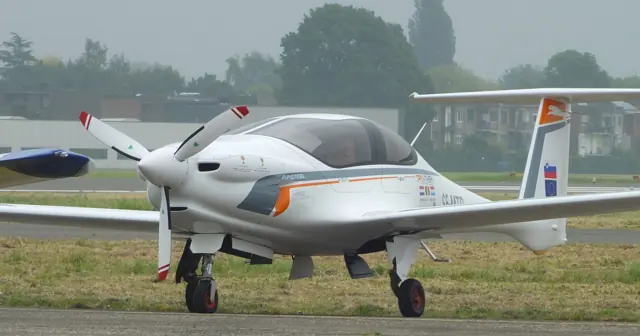
Pipistrel Panthera ↗
Pipistrel's streamlined four-seat composite-aircraft design.
1 implementations+ Compare
Explore the aircraft. Find your simulator. Follow the sources.
Pipistrel's streamlined four-seat composite-aircraft design.
A pioneering all-metal transport with an enclosed passenger cabin and corrugated skin.
A compact Japanese twin turboprop with a high wing and pressurised cabin.
A utility-aircraft family whose stretched 207 branch trades compact proportions for more cabin space.
A compact racing aeroplane built around a large radial engine and very short fuselage.
A two-seat composite trainer with a low wing and a large canopy.
A four-engine military turboprop designed to combine tactical access with long-distance transport.
A two-seat, twin-engine fighter that served naval and land-based air forces in many roles.
A long-range twin designed around a new wide-body airframe and extensive composite construction.
A pressurised single turboprop with a large cargo door and a broad range of working roles.
A large amphibious flying boat built around maritime rescue and utility transport.
A post-war Businessliner with a radial engine, cabin transport ambitions and tailwheel gear.
A fixed-wing observation aircraft with a helicopter-like view from its glazed nose.
The purpose-built Ryan monoplane used by Charles Lindbergh for his 1927 solo Atlantic crossing.
An Italian light aircraft known for military training and aerobatic use.
A single-engine utility helicopter known as the Écureuil, Squirrel and AStar.
A shorter wide-body Airbus from the transition to two-pilot, electronic-instrument cockpits.
A low-wing piston family that spans simple trainers, touring aircraft and retractable-gear Arrows.
A long-range fighter whose different engine and canopy developments produced several distinct forms.
The second-generation Harrier, designed around vectored thrust and short-field operation.
A modern utility single whose family includes both tailwheel and nosewheel configurations.
A twin-turboprop regional airliner developed through Swedish and American industrial cooperation.
A narrow-body twin developed as a new generation of medium-range airliner.
Tecnam's two-seat, low-wing Sierra, introduced in the early 2000s.
This is AirframeDB’s first release. More features and aircraft research are planned. Leave your email if you’d like occasional updates.


























