MSFS
Airbus H145 ↗
A twin-engine utility helicopter with roots in the BK 117 and EC145 families.
1 implementations+ Compare
Explore the aircraft. Find your simulator. Follow the sources.
A twin-engine utility helicopter with roots in the BK 117 and EC145 families.
A low-wing piston twin that carries the Beechcraft touring-aircraft lineage into two-engine flying.
A four-engine airliner that brought pressurised-cabin travel into scheduled service.
A corrugated-metal, three-engine transport from the formative years of airline travel.
The JetRanger and LongRanger family: a familiar turbine-helicopter shape with distinct cabin lengths.
A small two-seat piston helicopter with a two-bladed main rotor.
A long-running touring single, familiar in both V-tail and conventional-tail forms.
A tandem-seat light aircraft with a streamlined low-wing layout.
A streamlined twin-engine helicopter with a Fenestron tail rotor and retractable landing gear.
A family of single-aisle airliners built around sidesticks, electronic flight controls and a shared cockpit.
The purpose-built Ryan monoplane used by Charles Lindbergh for his 1927 solo Atlantic crossing.
A box-shaped utility twin whose cabin and rear access are central to its design.
Two related Dutch regional jets developed from the F28 lineage.
A purpose-built aerobatic monoplane family developed by pilot and designer Walter Extra.
A large twin-radial transport that carried heavy loads through wartime and post-war freight service.
Cessna's retractable-gear Centurion, a high-wing touring aircraft.
A super-midsize business jet with a swept wing, rear-mounted engines and an integrated glass cockpit.
A two-seat light amphibian with a compact boat hull and a pusher propeller.
A modern composite twin with a roomy cabin and two wing-mounted piston engines.
A large amphibious flying boat built around maritime rescue and utility transport.
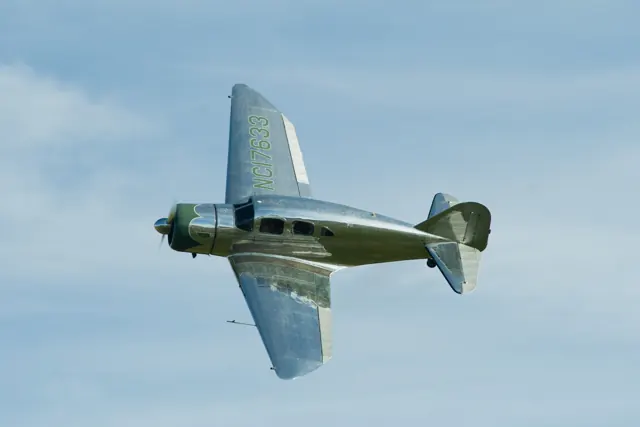
A late-1930s cabin aircraft with metal construction and retractable landing gear.
A compact twin-engine helicopter widely used for medical, police and training work.
A stretched development of the DC-9 with rear-mounted engines and a five-abreast cabin.
The second-generation Harrier, designed around vectored thrust and short-field operation.
This is AirframeDB’s first release. More features and aircraft research are planned. Leave your email if you’d like occasional updates.