MSFS
Mitsubishi MU-2 ↗
A compact Japanese twin turboprop with a high wing and pressurised cabin.
1 implementations+ Compare
Explore the aircraft. Find your simulator. Follow the sources.
A compact Japanese twin turboprop with a high wing and pressurised cabin.
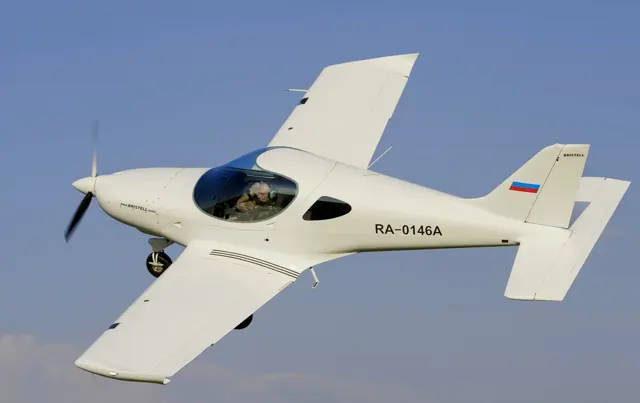
BRM Aero's two-seat B23, represented in MSFS by Airfoillabs.
A two-seat light amphibian with a compact boat hull and a pusher propeller.
A compact rear-engined jet designed for short-haul regional airline work.
A military liaison aircraft built around a high wing, tandem cabin and short-field utility work.
An open, single-seat ultralight with its propeller behind the pilot.
A four-engine jetliner that helped establish the shape of long-distance jet travel.
Dassault's long-range Falcon 8X, developed from the three-engine 7X.
The Huey: a turbine-powered utility helicopter with a broad cabin and an unmistakable two-bladed rotor.
A twin-hull flying boat with its engines mounted together above the wing.
A pressurised twin turboprop with a canard, composite airframe and rear-facing propellers.
The Mitchell medium bomber, named for aviation advocate Billy Mitchell.
A small two-seat piston helicopter with a two-bladed main rotor.
A single-seat aerobatic monoplane that also became a familiar air-racing aircraft.
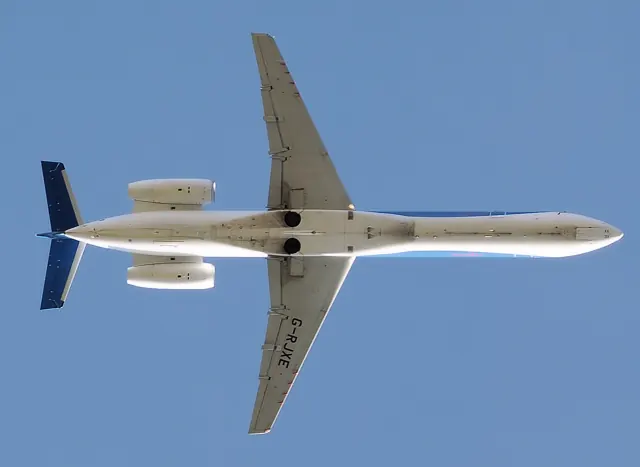
Embraer's regional-jet family, from the ERJ 135 to the longer ERJ 145.
A streamlined light twin helicopter, with the later Bell 230 in the same family.
A tandem two-seat sailplane family used for training and cross-country soaring.
Regional flying built around a high wing, two turboprops and short sectors.
A six-engine flying boat created for long-distance passenger travel over water.
A small three-engine demonstrator created to explore technologies for a future supersonic airliner.
A high-wing utility aircraft known for short-field work and a broad choice of working configurations.
A lightweight pusher family with an enclosed cabin and a high, braced wing.
A long-range strategic bomber with a swept wing and eight jet engines in paired pods.
A heavy transport helicopter whose two large rotors remove the need for a tail rotor.
This is AirframeDB’s first release. More features and aircraft research are planned. Leave your email if you’d like occasional updates.