MSFS
Cessna CH-1 Skyhook ↗
Cessna's unusual piston-powered helicopter, marketed as the Skyhook.
1 implementations+ Compare
Explore the aircraft. Find your simulator. Follow the sources.
Cessna's unusual piston-powered helicopter, marketed as the Skyhook.
A twin-turboprop family whose smaller conventional-tail and larger T-tail branches have distinct identities.
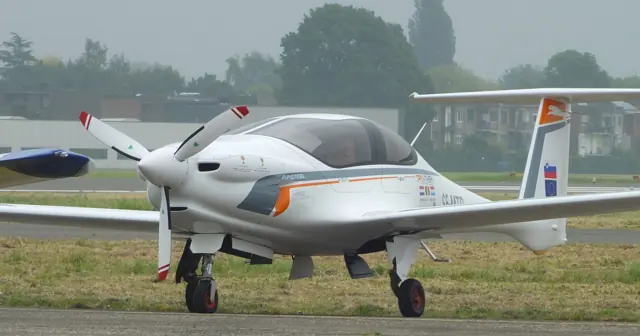
Pipistrel's streamlined four-seat composite-aircraft design.
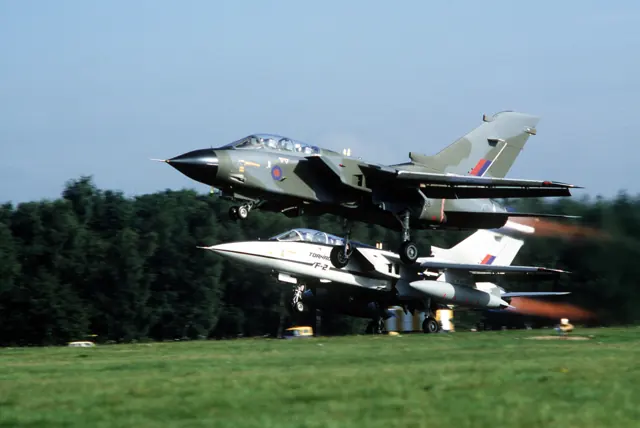
A European variable-sweep combat-aircraft family with distinct strike and interceptor versions.
A three-engine airliner that became a mainstay of Soviet and Russian passenger transport.
A two-seat composite trainer with a low wing and a large canopy.
A post-war Businessliner with a radial engine, cabin transport ambitions and tailwheel gear.
A low-wing piston family that spans simple trainers, touring aircraft and retractable-gear Arrows.
A compact racing aeroplane built around a large radial engine and very short fuselage.
An enclosed, two-seat autogyro with side-by-side seating and a pusher propeller.
A four-seat composite touring and training aircraft developed from Diamond's smaller two-seater.
A four-engine airliner that brought pressurised-cabin travel into scheduled service.
A four-seat high-wing single that spans generations of conventional instruments and glass cockpits.
A modern utility single whose family includes both tailwheel and nosewheel configurations.
A rear-engined trijet built to bring jet service to shorter routes and smaller airports.
A six-engine flying boat created for long-distance passenger travel over water.
A five-seat turbine helicopter developed from Robinson's smaller piston-helicopter line.
The CJ4 belongs to Cessna's light-jet line, with two rear-mounted engines and a T-tail.
A tandem-seat utility aircraft whose light structure and high wing suit bush, towing and recreational work.
A streamlined light twin helicopter, with the later Bell 230 in the same family.
A pressurised four-engine piston transport from the last major generation before the jet airliner.
The purpose-built Ryan monoplane used by Charles Lindbergh for his 1927 solo Atlantic crossing.
An amphibious turboprop designed around scooping water and delivering it to fires.
This is AirframeDB’s first release. More features and aircraft research are planned. Leave your email if you’d like occasional updates.