X-Plane
Shark.Aero Shark ↗
A tandem-seat light aircraft with a streamlined low-wing layout.
1 implementations+ Compare
Explore the aircraft. Find your simulator. Follow the sources.
A tandem-seat light aircraft with a streamlined low-wing layout.
A high-wing utility aircraft known for short-field work and a broad choice of working configurations.
A twin-hull flying boat with its engines mounted together above the wing.
An open, single-seat ultralight with its propeller behind the pilot.
A two-seat composite light-aircraft family with a high wing and a compact enclosed cabin.
A twin-engine utility helicopter with roots in the BK 117 and EC145 families.
A four-bladed utility helicopter developed from the LongRanger lineage.
An all-metal sport and touring aircraft from Bayerische Flugzeugwerke.
The second-generation Harrier, designed around vectored thrust and short-field operation.
The H130 utility helicopter, descended from the AS350 and fitted with a Fenestron.
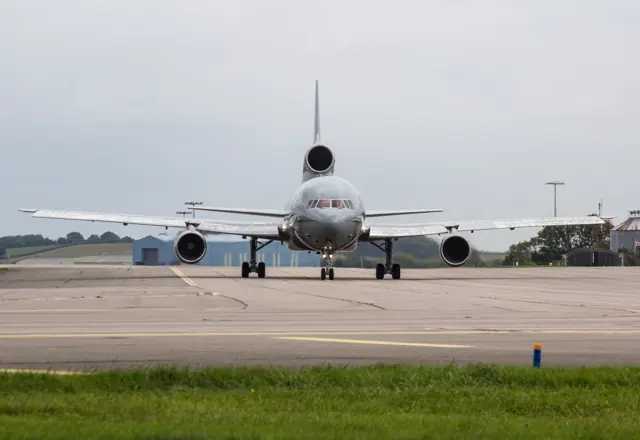
Lockheed's wide-body TriStar, with three RB211 engines and a distinctive tail intake.
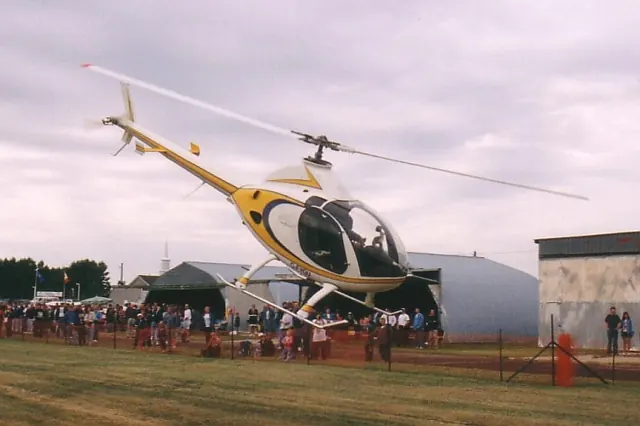
RotorWay's two-seat kit-helicopter family, with piston and turbine simulator interpretations.
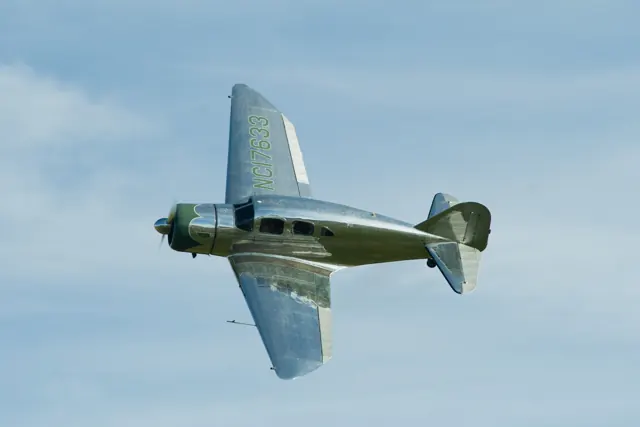
A late-1930s cabin aircraft with metal construction and retractable landing gear.
A single-engine turboprop workhorse for passenger services, freight and remote-area transport.
A streamlined twin-engine helicopter with a Fenestron tail rotor and retractable landing gear.
A wide-cabin business-jet family that developed from Canadair's original Challenger programme.
A compact Czech touring aircraft with side-by-side seats and a streamlined low-wing airframe.
Tecnam's two-seat, low-wing Sierra, introduced in the early 2000s.
A compact rear-engined jet designed for short-haul regional airline work.
An advanced trainer known around the world as the Texan, Harvard and SNJ.
A push-pull twin with one engine at each end of the central fuselage.
A six-engine flying boat created for long-distance passenger travel over water.
A five-seat turbine helicopter developed from Robinson's smaller piston-helicopter line.
A cabin biplane with the lower wing placed ahead of the upper one.
This is AirframeDB’s first release. More features and aircraft research are planned. Leave your email if you’d like occasional updates.