MSFS
Focke-Wulf Fw 200 Condor ↗
A four-engine airliner whose history also includes long-range maritime military service.
1 implementations+ Compare
Explore the aircraft. Find your simulator. Follow the sources.
A four-engine airliner whose history also includes long-range maritime military service.
Piper's two-seat trainer with fixed tricycle landing gear.
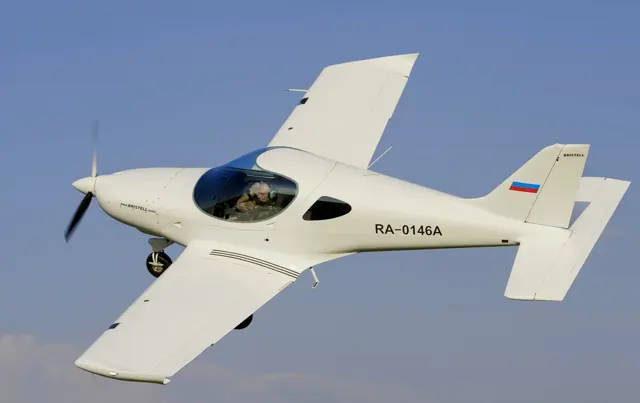
BRM Aero's two-seat B23, represented in MSFS by Airfoillabs.
A twin-aisle Boeing designed alongside the 757's generation of two-pilot flight decks.
A high-wing utility aircraft known for short-field work and a broad choice of working configurations.
A specialised reconnaissance aircraft designed for very high altitude and sustained supersonic flight.
A Canadian tandem-seat trainer developed after the Second World War.
The four-engine wide-body whose raised flight deck created one of aviation's most recognisable profiles.
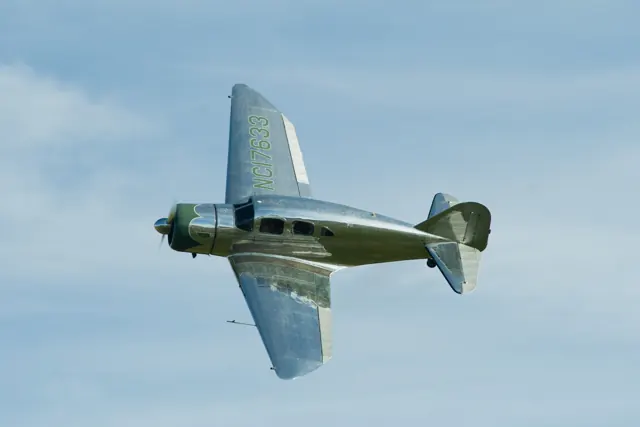
A late-1930s cabin aircraft with metal construction and retractable landing gear.
A small observation-helicopter family with a rounded cabin and compact rotor system.
A light tandem-seat taildragger built around the familiar braced high-wing layout.
A twin-engine utility helicopter with roots in the BK 117 and EC145 families.
A Swedish reconnaissance and dive-bombing aircraft from the early 1940s.
A radial-engine trainer that also served in combat and civilian warbird roles.
A very large single-engine biplane designed for practical work from modest airfields.
A long-range strategic bomber with a swept wing and eight jet engines in paired pods.
The Model 525 CitationJet, the starting point of Cessna's CJ and M2 lineage.
A large twin-engine helicopter from the Super Puma line, used for offshore and public-service work.
Diamond's four-seat light twin, developed with diesel-powered versions.
A two-seat training single with a high wing and fixed tricycle landing gear.
A long-range fighter whose different engine and canopy developments produced several distinct forms.
A British jet trainer with tandem seating and a long military training career.
The purpose-built Ryan monoplane used by Charles Lindbergh for his 1927 solo Atlantic crossing.
A heavy transport helicopter whose two large rotors remove the need for a tail rotor.
This is AirframeDB’s first release. More features and aircraft research are planned. Leave your email if you’d like occasional updates.