MSFS
Mitsubishi MU-2 ↗
A compact Japanese twin turboprop with a high wing and pressurised cabin.
2 implementations+ Compare
Explore the aircraft. Find your simulator. Follow the sources.
A compact Japanese twin turboprop with a high wing and pressurised cabin.
A heavy transport helicopter whose two large rotors remove the need for a tail rotor.
A four-bladed utility helicopter developed from the LongRanger lineage.
A wide-cabin business-jet family that developed from Canadair's original Challenger programme.
A radial-engined light transport whose long career covered passengers, freight and military training.
A two-seat, twin-engine fighter that served naval and land-based air forces in many roles.
A very light twin jet developed from the Eclipse 500.
A single-engine utility helicopter known as the Écureuil, Squirrel and AStar.
A four-engine Airbus wide-body developed in parallel with the A330.
A two-seat composite trainer with a low wing and a large canopy.
A very large single-engine biplane designed for practical work from modest airfields.
A late-1930s cabin aircraft with metal construction and retractable landing gear.
A medium commercial helicopter designed for passenger and utility transport.
A pioneering all-metal transport with an enclosed passenger cabin and corrugated skin.
A British jet trainer with tandem seating and a long military training career.
Dassault's long-range Falcon 8X, developed from the three-engine 7X.
A tailwheel utility aircraft with a high wing and a large cabin loading door.
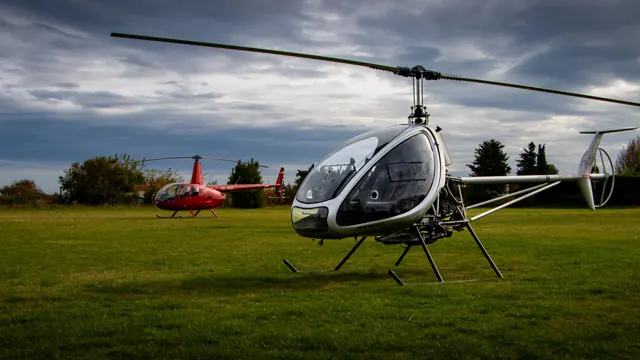
A small two-seat piston helicopter with a two-bladed main rotor.
RotorWay's two-seat kit-helicopter family, with piston and turbine simulator interpretations.
An open-cockpit biplane trainer that found a second life in civilian flying.
A long-range fighter whose different engine and canopy developments produced several distinct forms.
A Belgian light helicopter with two seats arranged side by side.
A four-seat, pressurised kit aircraft with a composite airframe and retractable landing gear.
A long-running touring single, familiar in both V-tail and conventional-tail forms.
This is AirframeDB’s first release. More features and aircraft research are planned. Leave your email if you’d like occasional updates.