MSFS
Extra 330LT ↗
A purpose-built aerobatic monoplane family developed by pilot and designer Walter Extra.
2 implementations+ Compare
Explore the aircraft. Find your simulator. Follow the sources.
A purpose-built aerobatic monoplane family developed by pilot and designer Walter Extra.
A utility piston twin designed for commuter and specialist transport missions.
A military liaison aircraft built around a high wing, tandem cabin and short-field utility work.
A radial-engined utility aircraft closely associated with bush flying and float operations.
A two-seat light amphibian with a compact boat hull and a pusher propeller.
A two-seat composite light-aircraft family with a high wing and a compact enclosed cabin.
A compact twin-engine transport helicopter with retractable gear and a long development history.
A modern medium twin-engine helicopter developed as a successor to the Dauphin line.
A military transport developed from the DC-3, used for cargo, troops, parachuting and glider towing.
Mooney's four-seat piston family, developed through many touring-aircraft variants.
A two-seat, twin-engine fighter that served naval and land-based air forces in many roles.
The Stationair utility family, combining a high wing with fixed landing gear.
A fixed-wing observation aircraft with a helicopter-like view from its glazed nose.
A composite, low-wing touring single with fixed gear and a turbocharged engine.
A modern utility single whose family includes both tailwheel and nosewheel configurations.
A super-midsize business jet with a swept wing, rear-mounted engines and an integrated glass cockpit.
A purpose-built agricultural aircraft that also became a single-engine air tanker.
A low-wing piston family that spans simple trainers, touring aircraft and retractable-gear Arrows.
A large twin-engine helicopter from the Super Puma line, used for offshore and public-service work.
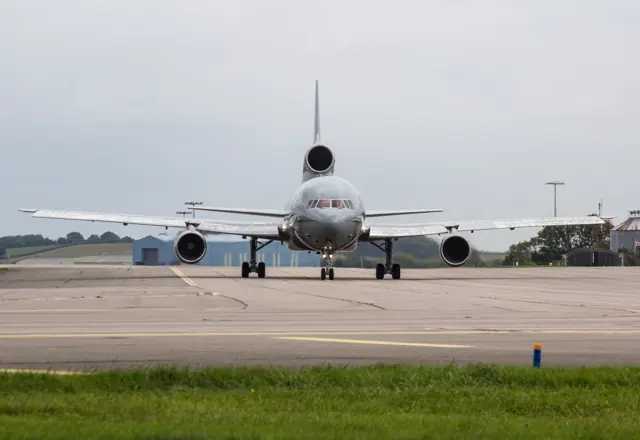
Lockheed's wide-body TriStar, with three RB211 engines and a distinctive tail intake.
A regional jet family with four small engines, a high wing and a large split tail airbrake.
Regional flying built around a high wing, two turboprops and short sectors.
The second-generation Harrier, designed around vectored thrust and short-field operation.
A utility-aircraft family whose stretched 207 branch trades compact proportions for more cabin space.
This is AirframeDB’s first release. More features and aircraft research are planned. Leave your email if you’d like occasional updates.