X-Plane
Grumman F-14 Tomcat ↗
A two-seat naval fighter with variable-sweep wings and a cockpit built around pilot and radar-intercept officer roles.
1 implementations+ Compare
Explore the aircraft. Find your simulator. Follow the sources.
A two-seat naval fighter with variable-sweep wings and a cockpit built around pilot and radar-intercept officer roles.
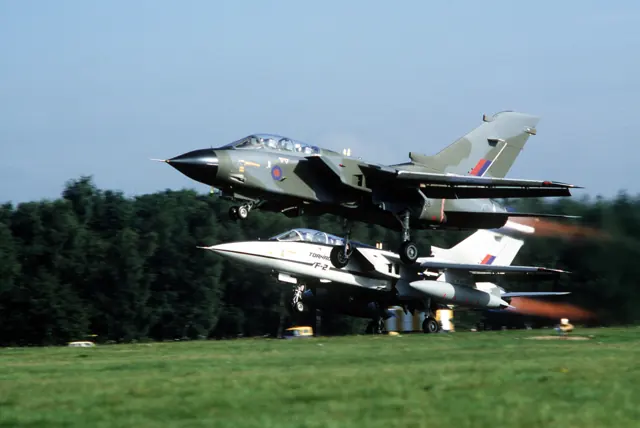
A European variable-sweep combat-aircraft family with distinct strike and interceptor versions.
Mooney's four-seat piston family, developed through many touring-aircraft variants.
A high-wing utility turboprop designed for short-field passenger and cargo work.
A specialised reconnaissance aircraft designed for very high altitude and sustained supersonic flight.
A military liaison aircraft built around a high wing, tandem cabin and short-field utility work.
Piper's two-seat trainer with fixed tricycle landing gear.
A two-seat composite kit aircraft developed from the Lancair 320.
A tandem two-seat sailplane designed for instruction and broader soaring use.
A wooden touring-aircraft family recognisable by the upward-angled outer wing panels.
A two-seat, twin-engine fighter that served naval and land-based air forces in many roles.
A high-wing utility aircraft known for short-field work and a broad choice of working configurations.
The four-engine wide-body whose raised flight deck created one of aviation's most recognisable profiles.
A light turbine helicopter combining an Alouette II airframe with more powerful Alouette III components.
Beechcraft's Model 76, designed to introduce pilots to twin-engine flying.
The second-generation Harrier, designed around vectored thrust and short-field operation.
A compact twin-engine transport helicopter with retractable gear and a long development history.
A four-seat kit-built touring aircraft that expanded the RV family beyond two-seat designs.
A four-seat high-wing single that spans generations of conventional instruments and glass cockpits.
A single-engine utility helicopter known as the Écureuil, Squirrel and AStar.
A long-range fighter whose different engine and canopy developments produced several distinct forms.
The four-engine Flying Fortress, a major American bomber of the Second World War.
A heavy transport helicopter whose two large rotors remove the need for a tail rotor.
A Canadian tandem-seat trainer developed after the Second World War.
This is AirframeDB’s first release. More features and aircraft research are planned. Leave your email if you’d like occasional updates.