MSFS X-Plane
Bell 222 family ↗
A streamlined light twin helicopter, with the later Bell 230 in the same family.
2 implementations+ Compare
Explore the aircraft. Find your simulator. Follow the sources.
A streamlined light twin helicopter, with the later Bell 230 in the same family.
A small observation-helicopter family with a rounded cabin and compact rotor system.
A two-seat naval fighter with variable-sweep wings and a cockpit built around pilot and radar-intercept officer roles.
A cabin biplane with the lower wing placed ahead of the upper one.
A long-range strategic bomber with a swept wing and eight jet engines in paired pods.
A four-engine tactical transport built around a rear loading ramp and access to austere airfields.
A retractable-gear touring single with an all-metal airframe and a long-lived enthusiast following.
A corrugated-metal, three-engine transport from the formative years of airline travel.
A two-seat light amphibian with a compact boat hull and a pusher propeller.
A heavy-lift helicopter built around an open frame and an external working load.
A modern two-seat piston helicopter designed around the training role.
A box-shaped utility twin whose cabin and rear access are central to its design.
A shorter wide-body Airbus from the transition to two-pilot, electronic-instrument cockpits.
A single-seat aerobatic monoplane that also became a familiar air-racing aircraft.
Regional flying built around a high wing, two turboprops and short sectors.
A four-seat touring family whose Commander 114 added a larger engine and further refinements.
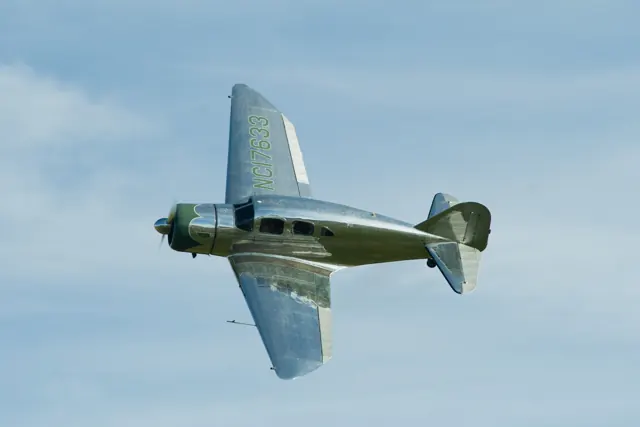
A late-1930s cabin aircraft with metal construction and retractable landing gear.
A hybrid-electric regional-airliner concept represented in the simulator while the real programme develops.
The four-engine Flying Fortress, a major American bomber of the Second World War.
A very large single-engine biplane designed for practical work from modest airfields.
An enclosed-cabin development of the Bell 47, shaped for passenger and executive transport.
A lightweight short-field aircraft with a specialised wing and tall, shock-absorbing landing gear.
A twin-turboprop family whose smaller conventional-tail and larger T-tail branches have distinct identities.
Ted Smith's piston twin, later produced by Piper as the Aerostar.
This is AirframeDB’s first release. More features and aircraft research are planned. Leave your email if you’d like occasional updates.