MSFS
Ryan NYP “Spirit of St. Louis” ↗
The purpose-built Ryan monoplane used by Charles Lindbergh for his 1927 solo Atlantic crossing.
2 implementations+ Compare
Explore the aircraft. Find your simulator. Follow the sources.
The purpose-built Ryan monoplane used by Charles Lindbergh for his 1927 solo Atlantic crossing.
A Canadian tandem-seat trainer developed after the Second World War.
A single-seat aerobatic monoplane that also became a familiar air-racing aircraft.
An enclosed, two-seat autogyro with side-by-side seating and a pusher propeller.
A two-seat light amphibian with a compact boat hull and a pusher propeller.
A long-range strategic bomber with a swept wing and eight jet engines in paired pods.
A two-seat training single with a high wing and fixed tricycle landing gear.
A radial-engine trainer that also served in combat and civilian warbird roles.
A Swedish reconnaissance and dive-bombing aircraft from the early 1940s.
An open, single-seat ultralight with its propeller behind the pilot.
An enclosed-cabin development of the Bell 47, shaped for passenger and executive transport.
A cabin biplane with the lower wing placed ahead of the upper one.
A four-seat high-wing single that spans generations of conventional instruments and glass cockpits.
A long-range fighter whose different engine and canopy developments produced several distinct forms.
A modern two-seat piston helicopter designed around the training role.
A small three-engine demonstrator created to explore technologies for a future supersonic airliner.
A light turbine helicopter whose land-based Scout and naval Wasp branches served different jobs.
A close-air-support aircraft with a straight wing, twin tail and two widely separated jet engines.
Diamond's four-seat light twin, developed with diesel-powered versions.
A large twin-radial transport that carried heavy loads through wartime and post-war freight service.
A two-seat, twin-engine fighter that served naval and land-based air forces in many roles.
A short-field Savage with leading-edge slats and a distinct Got Friends simulator implementation.
A narrow-body twin developed as a new generation of medium-range airliner.
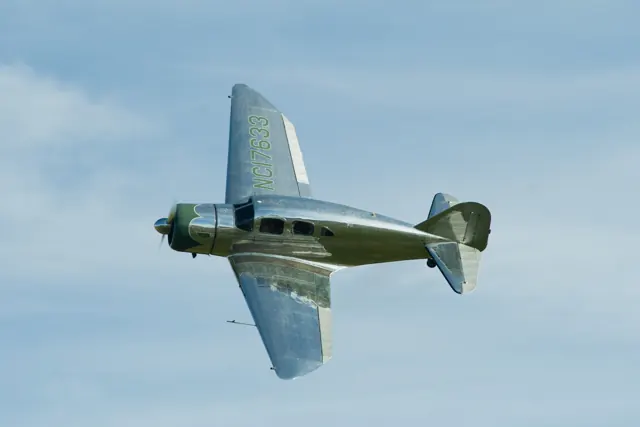
A late-1930s cabin aircraft with metal construction and retractable landing gear.
This is AirframeDB’s first release. More features and aircraft research are planned. Leave your email if you’d like occasional updates.