MSFS
Fokker F.VII ↗
A 1920s transport family that developed from a single-engine airliner into a trimotor.
1 implementations+ Compare
Explore the aircraft. Find your simulator. Follow the sources.
A 1920s transport family that developed from a single-engine airliner into a trimotor.
A long-running touring single, familiar in both V-tail and conventional-tail forms.
A military transport developed from the DC-3, used for cargo, troops, parachuting and glider towing.
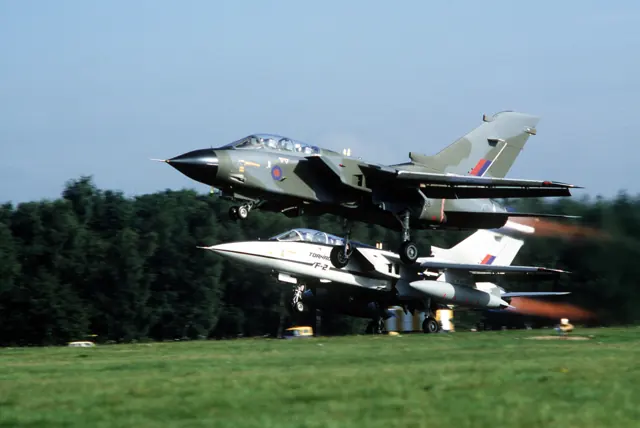
A European variable-sweep combat-aircraft family with distinct strike and interceptor versions.
A composite touring single with a whole-aircraft parachute and several generations of avionics.
A pressurised single-engine turboprop family that combines a compact cabin with retractable gear.
A light tandem-seat taildragger built around the familiar braced high-wing layout.
A carbon-fibre aerobatic monoplane family with a dedicated air-racing branch.
The Mitchell medium bomber, named for aviation advocate Billy Mitchell.
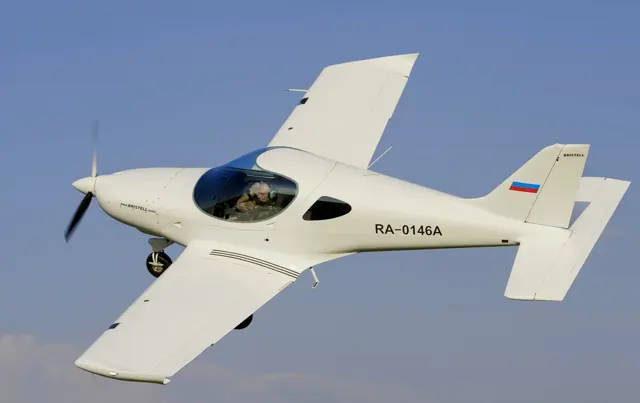
BRM Aero's two-seat B23, represented in MSFS by Airfoillabs.
A military liaison aircraft built around a high wing, tandem cabin and short-field utility work.
A regional turboprop family whose short early versions and larger Q400 have different proportions and systems.
A long-range strategic bomber with a swept wing and eight jet engines in paired pods.
A tandem-seat jet trainer that also found a second life in civilian display and racing.
Dassault's long-range Falcon 8X, developed from the three-engine 7X.
A twin-hull flying boat with its engines mounted together above the wing.
The four-engine Flying Fortress, a major American bomber of the Second World War.
A composite amphibian that carries Dornier's centreline engine arrangement into the turboprop era.
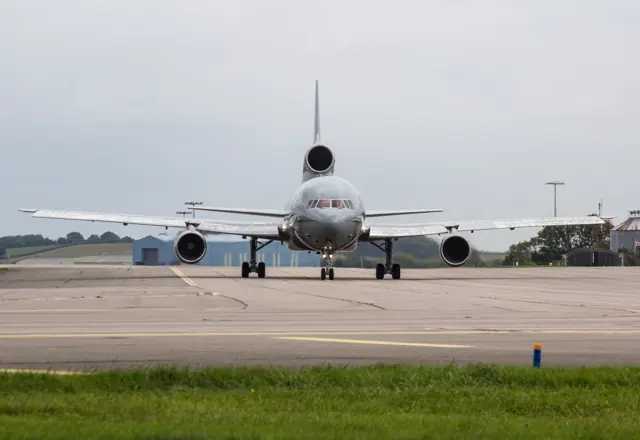
Lockheed's wide-body TriStar, with three RB211 engines and a distinctive tail intake.
A single-seat competition sailplane offered in Standard and 18-metre configurations.
A 1920s flying boat with two engines arranged in tandem above the wing.
A composite, low-wing touring single with fixed gear and a turbocharged engine.
A side-by-side two-seat sailplane with a retractable powerplant for self-launching.
The purpose-built Ryan monoplane used by Charles Lindbergh for his 1927 solo Atlantic crossing.
This is AirframeDB’s first release. More features and aircraft research are planned. Leave your email if you’d like occasional updates.