X-Plane
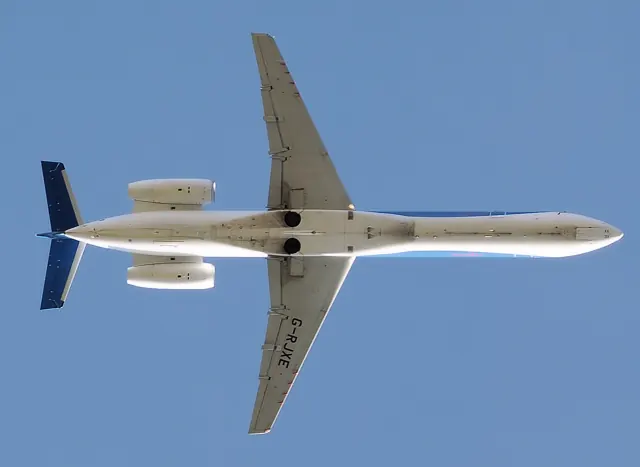
Embraer ERJ family ↗
Embraer's regional-jet family, from the ERJ 135 to the longer ERJ 145.
1 implementations+ Compare
Explore the aircraft. Find your simulator. Follow the sources.
Embraer's regional-jet family, from the ERJ 135 to the longer ERJ 145.
The second-generation Harrier, designed around vectored thrust and short-field operation.
An advanced trainer known around the world as the Texan, Harvard and SNJ.
A British jet trainer with tandem seating and a long military training career.
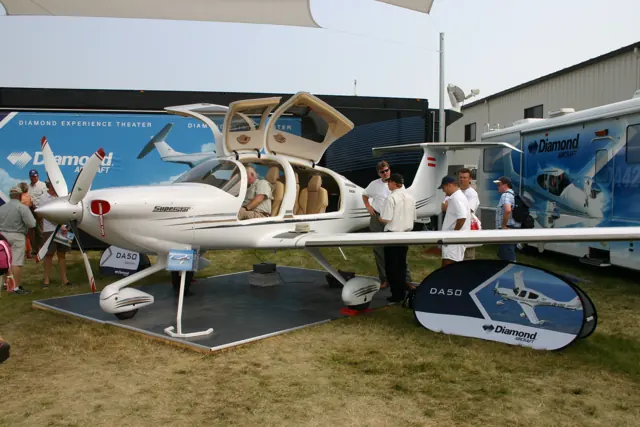
A five-seat composite single whose development led to the diesel DA50 RG.
A twin-turbine Huey descendant with a four-blade main rotor.
A narrow-body twin developed as a new generation of medium-range airliner.
A composite touring single with a whole-aircraft parachute and several generations of avionics.
A low-wing piston twin that carries the Beechcraft touring-aircraft lineage into two-engine flying.
A four-abreast regional-jet family spanning the E170, E175, E190 and E195.
The four-engine wide-body whose raised flight deck created one of aviation's most recognisable profiles.
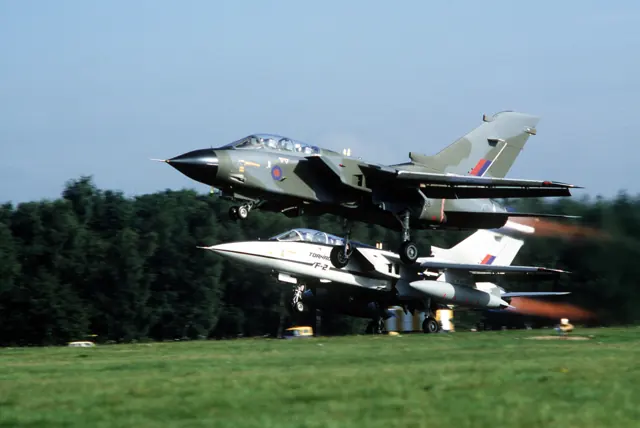
A European variable-sweep combat-aircraft family with distinct strike and interceptor versions.
The four-engine Flying Fortress, a major American bomber of the Second World War.
A twin-turboprop family whose smaller conventional-tail and larger T-tail branches have distinct identities.
A two-seat naval fighter with variable-sweep wings and a cockpit built around pilot and radar-intercept officer roles.
A three-engine airliner that became a mainstay of Soviet and Russian passenger transport.
SOCATA's touring-aircraft family, including the Tobago and Trinidad.
A pressurised single-engine turboprop family that combines a compact cabin with retractable gear.
An open, single-seat ultralight with its propeller behind the pilot.
An Italian light aircraft known for military training and aerobatic use.
A small two-seat piston helicopter with a two-bladed main rotor.
A very light twin jet developed from the Eclipse 500.
A regional turboprop family whose short early versions and larger Q400 have different proportions and systems.
A push-pull twin with one engine at each end of the central fuselage.
This is AirframeDB’s first release. More features and aircraft research are planned. Leave your email if you’d like occasional updates.