MSFS X-Plane
Bell 222 family ↗
A streamlined light twin helicopter, with the later Bell 230 in the same family.
2 implementations+ Compare
Explore the aircraft. Find your simulator. Follow the sources.
A streamlined light twin helicopter, with the later Bell 230 in the same family.
A post-war Czech light twin with a rounded cabin and engines carried on a low wing.
A two-seat composite kit aircraft developed from the Lancair 320.
Mooney's four-seat piston family, developed through many touring-aircraft variants.
A twin-hull flying boat with its engines mounted together above the wing.
A close-air-support aircraft with a straight wing, twin tail and two widely separated jet engines.
The purpose-built Ryan monoplane used by Charles Lindbergh for his 1927 solo Atlantic crossing.
A rear-engined trijet built to bring jet service to shorter routes and smaller airports.
A two-seat training single with a high wing and fixed tricycle landing gear.
A compact twin-engine helicopter widely used for medical, police and training work.
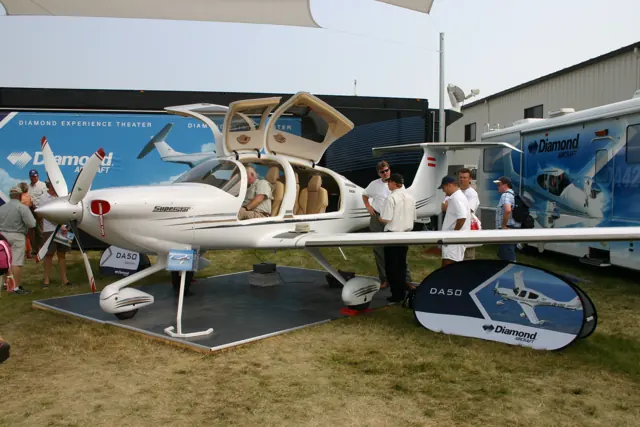
A five-seat composite single whose development led to the diesel DA50 RG.
A four-bladed utility helicopter developed from the LongRanger lineage.
An Italian light aircraft known for military training and aerobatic use.
A military liaison aircraft built around a high wing, tandem cabin and short-field utility work.
A twin-turbine Huey descendant with a four-blade main rotor.
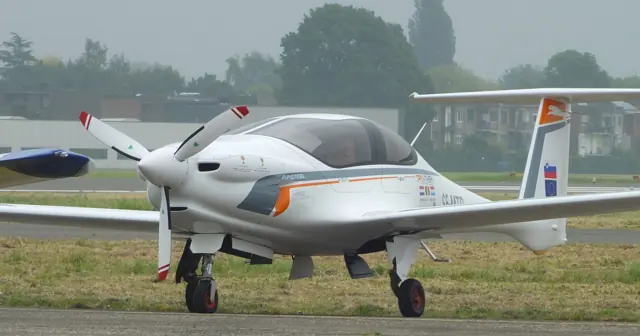
Pipistrel's streamlined four-seat composite-aircraft design.
A long-range twin designed around a new wide-body airframe and extensive composite construction.
A six-engine flying boat created for long-distance passenger travel over water.
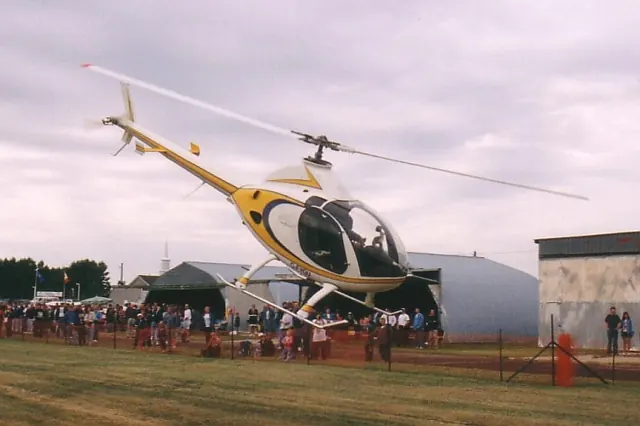
RotorWay's two-seat kit-helicopter family, with piston and turbine simulator interpretations.
A 1920s transport family that developed from a single-engine airliner into a trimotor.
A swept-wing business jet designed around high subsonic cruise speed.
A light tandem-seat taildragger built around the familiar braced high-wing layout.
A single-seat aerobatic monoplane that also became a familiar air-racing aircraft.
A vast inter-war flying boat with twelve engines arranged in six paired installations.
This is AirframeDB’s first release. More features and aircraft research are planned. Leave your email if you’d like occasional updates.