MSFS
Flight Design CTSL ↗
A two-seat composite light-aircraft family with a high wing and a compact enclosed cabin.
2 implementations+ Compare
Explore the aircraft. Find your simulator. Follow the sources.
A two-seat composite light-aircraft family with a high wing and a compact enclosed cabin.
A self-launching sailplane family with its engine inside the fuselage and a folding nose propeller.
Diamond's four-seat light twin, developed with diesel-powered versions.
Mooney's four-seat piston family, developed through many touring-aircraft variants.
A short-haul jet family that evolved through several generations of engines, wings and flight decks.
A six-engine heavy transport created for exceptionally large external and internal loads.
A six-engine flying boat created for long-distance passenger travel over water.
A tandem-seat light aircraft with a streamlined low-wing layout.
A small two-seat piston helicopter with a two-bladed main rotor.
The four-engine wide-body whose raised flight deck created one of aviation's most recognisable profiles.
An all-metal sport and touring aircraft from Bayerische Flugzeugwerke.
A compact Italian light twin with a shoulder wing and metal airframe.
A four-seat kit-built touring aircraft that expanded the RV family beyond two-seat designs.
A small three-engine demonstrator created to explore technologies for a future supersonic airliner.
A low-wing piston twin that carries the Beechcraft touring-aircraft lineage into two-engine flying.
A very light twin jet developed from the Eclipse 500.
A modern medium twin-engine helicopter developed as a successor to the Dauphin line.
Cessna's retractable-gear Centurion, a high-wing touring aircraft.
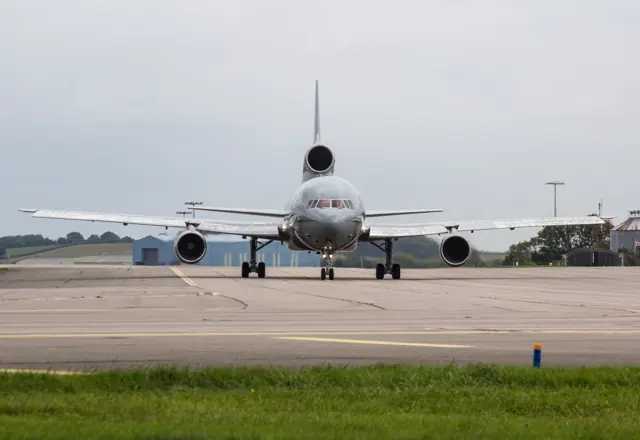
Lockheed's wide-body TriStar, with three RB211 engines and a distinctive tail intake.
A tandem two-seat sailplane designed for instruction and broader soaring use.
A pioneering all-metal transport with an enclosed passenger cabin and corrugated skin.
A composite touring single with a whole-aircraft parachute and several generations of avionics.
A pressurised touring twin whose piston and turbine-conversion versions make a particularly interesting comparison.
The Wilga is the real-aircraft starting point for Mike Patey's DRACO and the simulator's DRACO X.
This is AirframeDB’s first release. More features and aircraft research are planned. Leave your email if you’d like occasional updates.