MSFS X-Plane
Cirrus SR22 ↗
A composite touring single with a whole-aircraft parachute and several generations of avionics.
5 implementations+ Compare
Explore the aircraft. Find your simulator. Follow the sources.
A composite touring single with a whole-aircraft parachute and several generations of avionics.
A long-running touring single, familiar in both V-tail and conventional-tail forms.
A carrier-capable multirole fighter, larger than the earlier Hornet from which it developed.
A two-seat light amphibian with a compact boat hull and a pusher propeller.
An advanced trainer known around the world as the Texan, Harvard and SNJ.
A heavy transport helicopter whose two large rotors remove the need for a tail rotor.
The Wilga is the real-aircraft starting point for Mike Patey's DRACO and the simulator's DRACO X.
An unpowered military cargo glider designed to deliver troops and equipment behind a tow aircraft.
A swept-wing business jet designed around high subsonic cruise speed.
A pioneering light helicopter whose bubble cabin and exposed structure became widely recognisable.
An open-cockpit biplane trainer that found a second life in civilian flying.
An enclosed, two-seat autogyro with side-by-side seating and a pusher propeller.
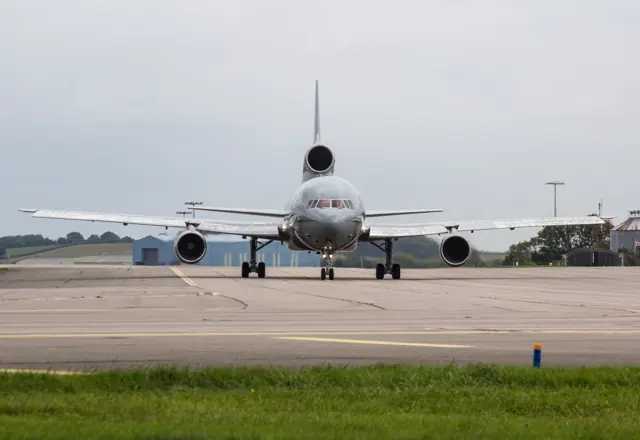
Lockheed's wide-body TriStar, with three RB211 engines and a distinctive tail intake.
A large amphibious flying boat built around maritime rescue and utility transport.
A two-seat, twin-engine fighter that served naval and land-based air forces in many roles.
A lightweight short-field aircraft with a specialised wing and tall, shock-absorbing landing gear.
A heavy-lift helicopter built around an open frame and an external working load.
A low-wing agricultural Cessna with a cockpit and hopper arranged around the job.
SOCATA's touring-aircraft family, including the Tobago and Trinidad.
A two-seat composite trainer with a low wing and a large canopy.
A single-seat aerobatic monoplane that also became a familiar air-racing aircraft.
An enlarged Velocity kit aircraft with a canard and rear-mounted pusher propeller.
The purpose-built Ryan monoplane used by Charles Lindbergh for his 1927 solo Atlantic crossing.
A compact aerobatic biplane family with both single-seat and tandem-seat branches.
This is AirframeDB’s first release. More features and aircraft research are planned. Leave your email if you’d like occasional updates.