MSFS
Tecnam P2008 ↗
A two-seat Tecnam high-wing aircraft combining composite and metal construction.
1 implementations+ Compare
Explore the aircraft. Find your simulator. Follow the sources.
A two-seat Tecnam high-wing aircraft combining composite and metal construction.
A huge wooden flying-boat prototype that made one brief flight in 1947.
Piper's PA-31 utility twin, used in commuter, cargo and corporate transport.
A super-midsize business jet with a swept wing, rear-mounted engines and an integrated glass cockpit.
A long-range twin designed around a new wide-body airframe and extensive composite construction.
A wide-cabin business-jet family that developed from Canadair's original Challenger programme.
A 1920s flying boat with two engines arranged in tandem above the wing.
A compact Japanese twin turboprop with a high wing and pressurised cabin.
A four-seat composite touring and training aircraft developed from Diamond's smaller two-seater.
A two-seat light amphibian with a compact boat hull and a pusher propeller.
A six-engine flying boat created for long-distance passenger travel over water.
A high-wing utility aircraft known for short-field work and a broad choice of working configurations.
The purpose-built Ryan monoplane used by Charles Lindbergh for his 1927 solo Atlantic crossing.
Ted Smith's piston twin, later produced by Piper as the Aerostar.
A rear-engined trijet built to bring jet service to shorter routes and smaller airports.
Regional flying built around a high wing, two turboprops and short sectors.
The second-generation Harrier, designed around vectored thrust and short-field operation.
Epic's experimental light-jet project, represented in simulation by Aerobask.
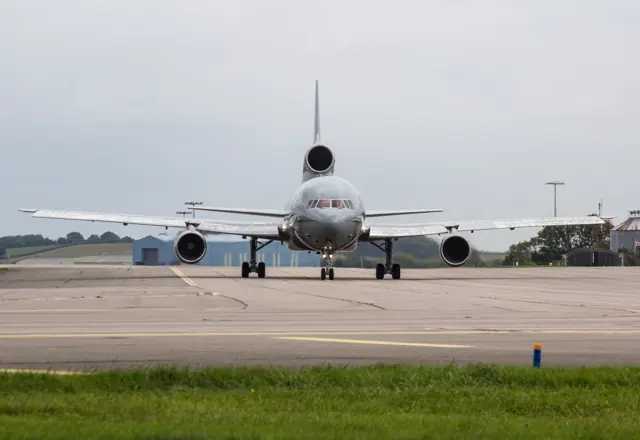
Lockheed's wide-body TriStar, with three RB211 engines and a distinctive tail intake.
A medium commercial helicopter designed for passenger and utility transport.
A high-wing twin turboprop developed for regional freight and passenger transport.
A four-engine jetliner that helped establish the shape of long-distance jet travel.
A Canadian tandem-seat trainer developed after the Second World War.
This is AirframeDB’s first release. More features and aircraft research are planned. Leave your email if you’d like occasional updates.