MSFS
ATR 42-600 / 72-600 ↗
Regional flying built around a high wing, two turboprops and short sectors.
1 implementations+ Compare
Explore the aircraft. Find your simulator. Follow the sources.
Regional flying built around a high wing, two turboprops and short sectors.
A modern utility single whose family includes both tailwheel and nosewheel configurations.
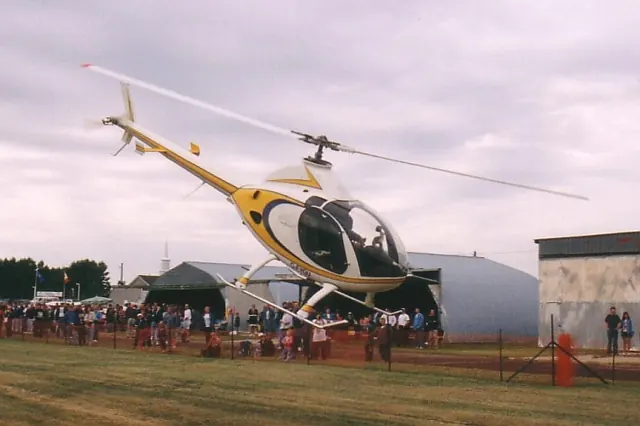
RotorWay's two-seat kit-helicopter family, with piston and turbine simulator interpretations.
A low-wing piston family that spans simple trainers, touring aircraft and retractable-gear Arrows.
A tandem two-seat sailplane designed for instruction and broader soaring use.
A medium commercial helicopter designed for passenger and utility transport.
A four-abreast regional-jet family spanning the E170, E175, E190 and E195.
A two-seat light amphibian with a compact boat hull and a pusher propeller.
A fixed-gear twin turboprop with a long history in regional and remote-area transport.
A military transport developed from the DC-3, used for cargo, troops, parachuting and glider towing.
A compact Czech touring aircraft with side-by-side seats and a streamlined low-wing airframe.
The purpose-built Ryan monoplane used by Charles Lindbergh for his 1927 solo Atlantic crossing.
A 1920s transport family that developed from a single-engine airliner into a trimotor.
A twin-turboprop regional airliner developed through Swedish and American industrial cooperation.
The CJ4 belongs to Cessna's light-jet line, with two rear-mounted engines and a T-tail.
A cabin-class piston twin designed for commuter, cargo and utility work.
A four-engine airliner that brought pressurised-cabin travel into scheduled service.
A British utility twin built around short regional and practical transport work.
A midsize business jet developed by Bombardier’s Learjet division.
A post-war Czech light twin with a rounded cabin and engines carried on a low wing.
A purpose-built agricultural aircraft that also became a single-engine air tanker.
An Italian light aircraft known for military training and aerobatic use.
A four-seat high-wing single that spans generations of conventional instruments and glass cockpits.
This is AirframeDB’s first release. More features and aircraft research are planned. Leave your email if you’d like occasional updates.