X-Plane
Boeing B-17 Flying Fortress ↗
The four-engine Flying Fortress, a major American bomber of the Second World War.
1 implementations+ Compare
Explore the aircraft. Find your simulator. Follow the sources.
The four-engine Flying Fortress, a major American bomber of the Second World War.
A tandem-seat jet trainer that also found a second life in civilian display and racing.
A corrugated-metal, three-engine transport from the formative years of airline travel.
Mooney's four-seat piston family, developed through many touring-aircraft variants.
A French two-seat aerobatic trainer with side-by-side seating and a distinctive curved wing outline.
The second-generation Harrier, designed around vectored thrust and short-field operation.
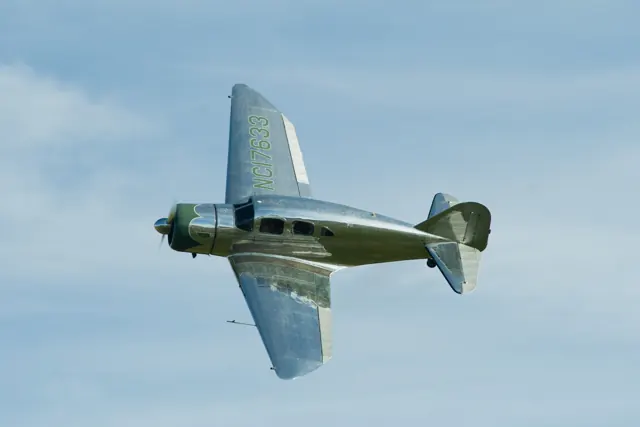
A late-1930s cabin aircraft with metal construction and retractable landing gear.
A tandem two-seat sailplane designed for instruction and broader soaring use.
An amphibious turboprop designed around scooping water and delivering it to fires.
A modern two-seat piston helicopter designed around the training role.
A single-engine utility helicopter known as the Écureuil, Squirrel and AStar.
An enclosed-cabin development of the Bell 47, shaped for passenger and executive transport.
A small three-engine demonstrator created to explore technologies for a future supersonic airliner.
A long-running touring single, familiar in both V-tail and conventional-tail forms.
The fixed-gear, six-cylinder touring branch of Piper's PA-28 family.
Avro's delta-wing bomber, developed for Britain's postwar strategic force.
A side-by-side two-seat sailplane with a retractable powerplant for self-launching.
A huge wooden flying-boat prototype that made one brief flight in 1947.
A single-seat aerobatic monoplane that also became a familiar air-racing aircraft.
A compact Japanese twin turboprop with a high wing and pressurised cabin.
A DC-10-derived tanker that combined aerial refuelling with passenger and cargo transport.
A fixed-gear twin turboprop with a long history in regional and remote-area transport.
A vast inter-war flying boat with twelve engines arranged in six paired installations.
A modern medium twin-engine helicopter developed as a successor to the Dauphin line.
This is AirframeDB’s first release. More features and aircraft research are planned. Leave your email if you’d like occasional updates.