X-Plane
Cessna 206 Stationair ↗
The Stationair utility family, combining a high wing with fixed landing gear.
1 implementations+ Compare
Explore the aircraft. Find your simulator. Follow the sources.
The Stationair utility family, combining a high wing with fixed landing gear.
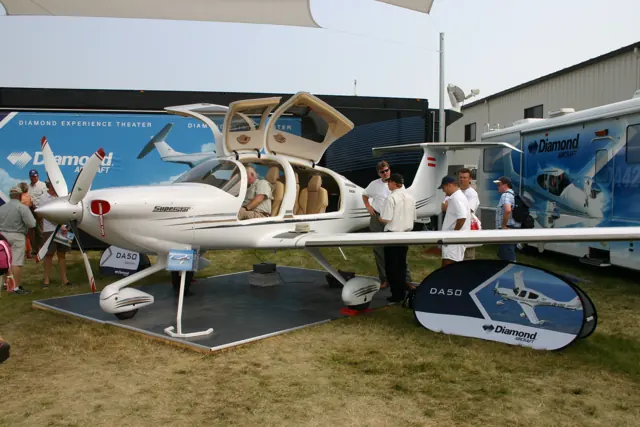
A five-seat composite single whose development led to the diesel DA50 RG.
A compact two-seat light aircraft with a high wing and a wide range of development variants.
A tandem-seat jet trainer that also found a second life in civilian display and racing.
A light tandem-seat taildragger built around the familiar braced high-wing layout.
A compact aerobatic biplane family with both single-seat and tandem-seat branches.
A long-running touring single, familiar in both V-tail and conventional-tail forms.
A close-air-support aircraft with a straight wing, twin tail and two widely separated jet engines.
The Mitchell medium bomber, named for aviation advocate Billy Mitchell.
A small twin-engine amphibian that moved from business transport into military and utility service.
A fixed-gear twin turboprop with a long history in regional and remote-area transport.
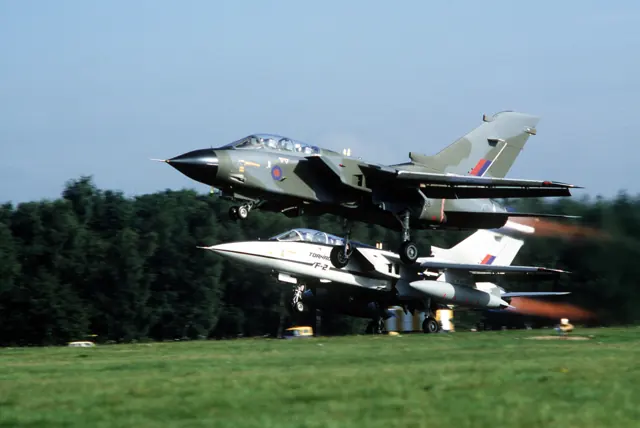
A European variable-sweep combat-aircraft family with distinct strike and interceptor versions.
A twin-aisle Boeing designed alongside the 757's generation of two-pilot flight decks.
A long-range fighter whose different engine and canopy developments produced several distinct forms.
A short-field Savage with leading-edge slats and a distinct Got Friends simulator implementation.
A purpose-built aerobatic monoplane family developed by pilot and designer Walter Extra.
A medium commercial helicopter designed for passenger and utility transport.
A light business jet with a swept wing, rear-mounted engines and an integrated flight deck.
A pioneering light helicopter whose bubble cabin and exposed structure became widely recognisable.
A corrugated-metal transport best known in its three-engine form.
A single-engine turboprop workhorse for passenger services, freight and remote-area transport.
An enclosed-cabin development of the Bell 47, shaped for passenger and executive transport.
The second-generation Harrier, designed around vectored thrust and short-field operation.
Cirrus's first type-certified aircraft, a composite piston single.
This is AirframeDB’s first release. More features and aircraft research are planned. Leave your email if you’d like occasional updates.