MSFS
Velocity XL ↗
An enlarged Velocity kit aircraft with a canard and rear-mounted pusher propeller.
1 implementations+ Compare
Explore the aircraft. Find your simulator. Follow the sources.
An enlarged Velocity kit aircraft with a canard and rear-mounted pusher propeller.
The purpose-built Ryan monoplane used by Charles Lindbergh for his 1927 solo Atlantic crossing.
A compact two-seat light aircraft with a high wing and a wide range of development variants.
A Brazilian light trainer with a high wing, tandem seats and a simple utility layout.
A compact racing aeroplane built around a large radial engine and very short fuselage.
A heavy-lift helicopter built around an open frame and an external working load.
A two-seat training single with a high wing and fixed tricycle landing gear.
A regional jet family with four small engines, a high wing and a large split tail airbrake.
A two-seat Tecnam high-wing aircraft combining composite and metal construction.
A long-range twin whose programme emphasised composite construction and more electrically powered systems.
A self-launching sailplane family with its engine inside the fuselage and a folding nose propeller.
A modern utility single whose family includes both tailwheel and nosewheel configurations.
Tecnam's two-seat, low-wing Sierra, introduced in the early 2000s.
A light turbine helicopter whose land-based Scout and naval Wasp branches served different jobs.
A tailwheel utility single built around a high wing and a substantial working cabin.
A twin-turboprop regional airliner developed through Swedish and American industrial cooperation.
A huge wooden flying-boat prototype that made one brief flight in 1947.
A 1920s flying boat with two engines arranged in tandem above the wing.
A rear-engined trijet built to bring jet service to shorter routes and smaller airports.
A four-engine jetliner that helped establish the shape of long-distance jet travel.
A six-engine heavy transport created for exceptionally large external and internal loads.
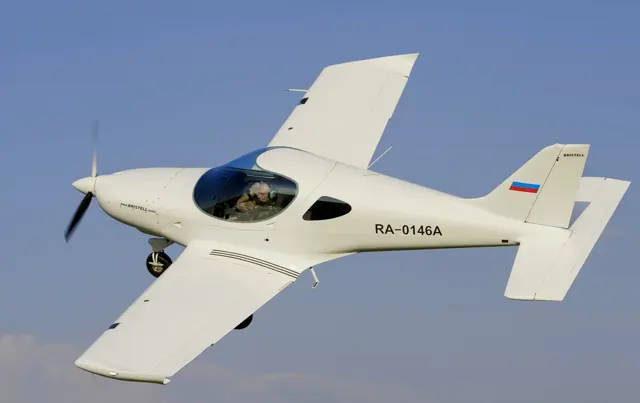
BRM Aero's two-seat B23, represented in MSFS by Airfoillabs.
A post-war Czech light twin with a rounded cabin and engines carried on a low wing.
A military transport developed from the DC-3, used for cargo, troops, parachuting and glider towing.
This is AirframeDB’s first release. More features and aircraft research are planned. Leave your email if you’d like occasional updates.