MSFS
Grumman G-21A Goose ↗
A small twin-engine amphibian that moved from business transport into military and utility service.
2 implementations+ Compare
Explore the aircraft. Find your simulator. Follow the sources.
A small twin-engine amphibian that moved from business transport into military and utility service.
A six-seat composite single turboprop with a pressurised cabin and retractable gear.
A tandem two-seat sailplane family used for training and cross-country soaring.
The Wilga is the real-aircraft starting point for Mike Patey's DRACO and the simulator's DRACO X.
A lightweight short-field aircraft with a specialised wing and tall, shock-absorbing landing gear.
A French two-seat aerobatic trainer with side-by-side seating and a distinctive curved wing outline.
A shorter wide-body Airbus from the transition to two-pilot, electronic-instrument cockpits.
A twin-hull flying boat with its engines mounted together above the wing.
A two-seat composite trainer with a low wing and a large canopy.
A heavy transport helicopter whose two large rotors remove the need for a tail rotor.
A two-seat composite light-aircraft family with a high wing and a compact enclosed cabin.
A jet-powered military transport designed for both strategic loads and tactical airfield access.
TorqueSim's Pocket Rocket, a simulated PT6-powered light aircraft with two gear layouts.
A compact Japanese twin turboprop with a high wing and pressurised cabin.
A two-seat naval fighter with variable-sweep wings and a cockpit built around pilot and radar-intercept officer roles.
A light tandem-seat taildragger built around the familiar braced high-wing layout.
The second-generation Harrier, designed around vectored thrust and short-field operation.
A wooden touring-aircraft family recognisable by the upward-angled outer wing panels.
An enclosed, two-seat autogyro with side-by-side seating and a pusher propeller.
A Polish utility aircraft designed for short takeoffs and landings.
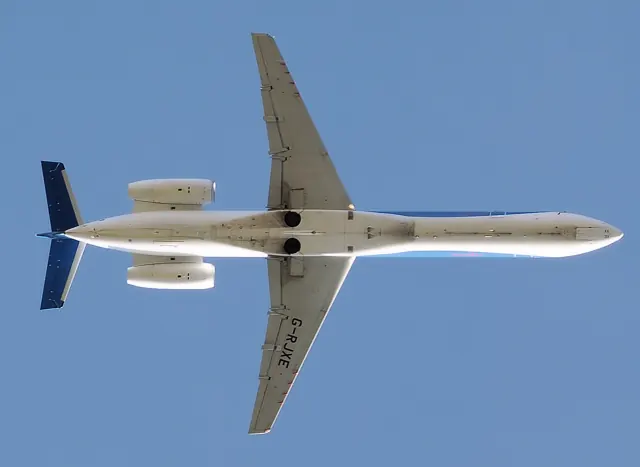
Embraer's regional-jet family, from the ERJ 135 to the longer ERJ 145.
A Brazilian light trainer with a high wing, tandem seats and a simple utility layout.
A twin-turboprop family whose smaller conventional-tail and larger T-tail branches have distinct identities.
A stretched development of the DC-9 with rear-mounted engines and a five-abreast cabin.
This is AirframeDB’s first release. More features and aircraft research are planned. Leave your email if you’d like occasional updates.