MSFS
Draco X ↗
The Wilga is the real-aircraft starting point for Mike Patey's DRACO and the simulator's DRACO X.
1 implementations+ Compare
Explore the aircraft. Find your simulator. Follow the sources.
The Wilga is the real-aircraft starting point for Mike Patey's DRACO and the simulator's DRACO X.
A huge wooden flying-boat prototype that made one brief flight in 1947.
A twin-radial military transport with a rear ramp and short-field design priorities.
A pressurised single-engine turboprop family that combines a compact cabin with retractable gear.
A high-wing utility aircraft known for short-field work and a broad choice of working configurations.
A lightweight pusher family with an enclosed cabin and a high, braced wing.
A low-wing agricultural Cessna with a cockpit and hopper arranged around the job.
The CJ4 belongs to Cessna's light-jet line, with two rear-mounted engines and a T-tail.
A French two-seat aerobatic trainer with side-by-side seating and a distinctive curved wing outline.
A pressurised twin turboprop with a canard, composite airframe and rear-facing propellers.
The H130 utility helicopter, descended from the AS350 and fitted with a Fenestron.
A post-war Businessliner with a radial engine, cabin transport ambitions and tailwheel gear.
A post-war Czech light twin with a rounded cabin and engines carried on a low wing.
A specialised reconnaissance aircraft designed for very high altitude and sustained supersonic flight.
A large twin-radial transport that carried heavy loads through wartime and post-war freight service.
A twin-radial airliner that helped make practical passenger transport a regular business.
A four-seat high-wing single that spans generations of conventional instruments and glass cockpits.
Piper's PA-31 utility twin, used in commuter, cargo and corporate transport.
A twin-aisle Boeing designed alongside the 757's generation of two-pilot flight decks.
A streamlined light twin helicopter, with the later Bell 230 in the same family.
A single-seat aerobatic monoplane that also became a familiar air-racing aircraft.
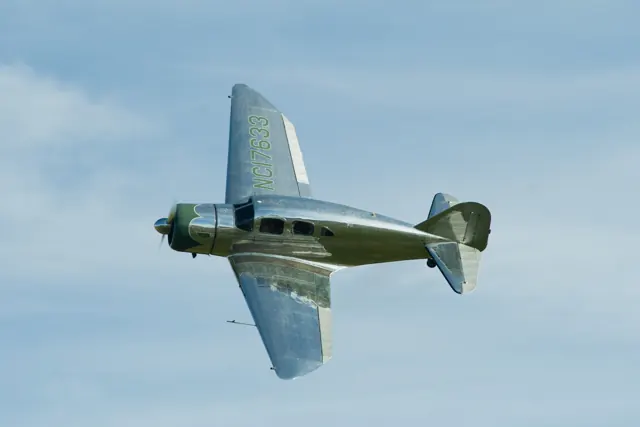
A late-1930s cabin aircraft with metal construction and retractable landing gear.
A small twin-engine amphibian that moved from business transport into military and utility service.
A Swedish reconnaissance and dive-bombing aircraft from the early 1940s.
This is AirframeDB’s first release. More features and aircraft research are planned. Leave your email if you’d like occasional updates.