MSFS
CubCrafters XCub ↗
A modern utility single whose family includes both tailwheel and nosewheel configurations.
4 implementations+ Compare
Explore the aircraft. Find your simulator. Follow the sources.
A modern utility single whose family includes both tailwheel and nosewheel configurations.
A four-engine tactical transport built around a rear loading ramp and access to austere airfields.
A narrow-body twin developed as a new generation of medium-range airliner.
A DC-10-derived tanker that combined aerial refuelling with passenger and cargo transport.
A compact twin-engine transport helicopter with retractable gear and a long development history.
A twin-turboprop utility aircraft developed by Reims Aviation with Cessna.
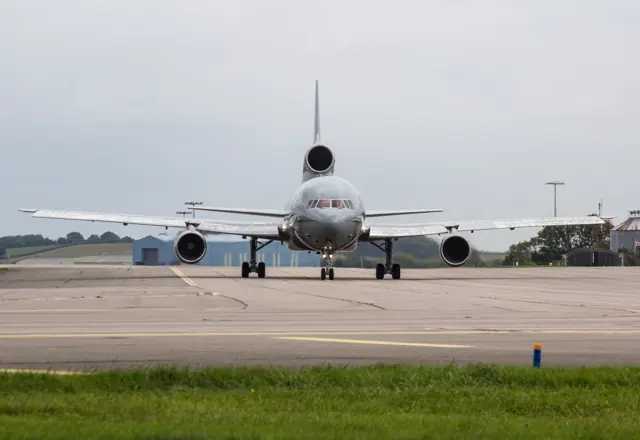
Lockheed's wide-body TriStar, with three RB211 engines and a distinctive tail intake.
An unpowered military cargo glider designed to deliver troops and equipment behind a tow aircraft.
Cessna's retractable-gear Centurion, a high-wing touring aircraft.
A compact rear-engined jet designed for short-haul regional airline work.
A shorter wide-body Airbus from the transition to two-pilot, electronic-instrument cockpits.
The fixed-gear, six-cylinder touring branch of Piper's PA-28 family.
A light turbine helicopter whose land-based Scout and naval Wasp branches served different jobs.
The Wilga is the real-aircraft starting point for Mike Patey's DRACO and the simulator's DRACO X.
A pressurised twin turboprop with a canard, composite airframe and rear-facing propellers.
A pioneering all-metal transport with an enclosed passenger cabin and corrugated skin.
An amphibious turboprop designed around scooping water and delivering it to fires.
A rear-engined trijet built to bring jet service to shorter routes and smaller airports.
A four-engine jetliner that helped establish the shape of long-distance jet travel.
A 1920s flying boat with two engines arranged in tandem above the wing.
A tandem two-seat sailplane family used for training and cross-country soaring.
Diamond's four-seat light twin, developed with diesel-powered versions.
A four-seat composite touring and training aircraft developed from Diamond's smaller two-seater.
The purpose-built Ryan monoplane used by Charles Lindbergh for his 1927 solo Atlantic crossing.
This is AirframeDB’s first release. More features and aircraft research are planned. Leave your email if you’d like occasional updates.