MSFS
Aérospatiale Alouette III ↗
A turbine-powered utility helicopter with a broad cabin and a long international service history.
1 implementations+ Compare
Explore the aircraft. Find your simulator. Follow the sources.
A turbine-powered utility helicopter with a broad cabin and a long international service history.
A composite amphibian that carries Dornier's centreline engine arrangement into the turboprop era.
An amphibious turboprop designed around scooping water and delivering it to fires.
A two-seat, twin-engine fighter that served naval and land-based air forces in many roles.
A British jet trainer with tandem seating and a long military training career.
A four-engine airliner that brought pressurised-cabin travel into scheduled service.
A two-seat composite kit aircraft developed from the Lancair 320.
A six-engine heavy transport created for exceptionally large external and internal loads.
A wartime fighter developed from the earlier Curtiss P-36.
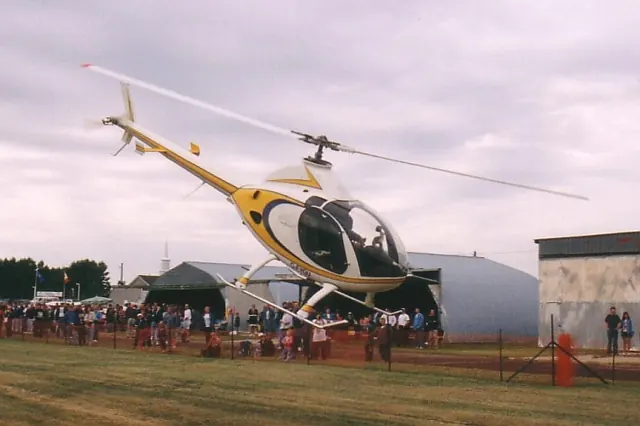
RotorWay's two-seat kit-helicopter family, with piston and turbine simulator interpretations.
A radial-engine trainer that also served in combat and civilian warbird roles.
A shorter wide-body Airbus from the transition to two-pilot, electronic-instrument cockpits.
A high-wing utility aircraft known for short-field work and a broad choice of working configurations.
A light turbine helicopter combining an Alouette II airframe with more powerful Alouette III components.
A two-seat Tecnam high-wing aircraft combining composite and metal construction.
A lightweight short-field aircraft with a specialised wing and tall, shock-absorbing landing gear.
A French two-seat aerobatic trainer with side-by-side seating and a distinctive curved wing outline.
A light tandem-seat taildragger built around the familiar braced high-wing layout.
The Wilga is the real-aircraft starting point for Mike Patey's DRACO and the simulator's DRACO X.
An unpowered military cargo glider designed to deliver troops and equipment behind a tow aircraft.
Avro's delta-wing bomber, developed for Britain's postwar strategic force.
A five-seat turbine helicopter developed from Robinson's smaller piston-helicopter line.
The purpose-built Ryan monoplane used by Charles Lindbergh for his 1927 solo Atlantic crossing.
A twin-turbine Huey descendant with a four-blade main rotor.
This is AirframeDB’s first release. More features and aircraft research are planned. Leave your email if you’d like occasional updates.