X-Plane
Grumman F-14 Tomcat ↗
A two-seat naval fighter with variable-sweep wings and a cockpit built around pilot and radar-intercept officer roles.
1 implementations+ Compare
Explore the aircraft. Find your simulator. Follow the sources.
A two-seat naval fighter with variable-sweep wings and a cockpit built around pilot and radar-intercept officer roles.
A three-engine airliner that became a mainstay of Soviet and Russian passenger transport.
A Polish utility aircraft designed for short takeoffs and landings.
A four-bladed utility helicopter developed from the LongRanger lineage.
A high-wing utility turboprop designed for short-field passenger and cargo work.
A high-wing utility aircraft known for short-field work and a broad choice of working configurations.
A post-war Businessliner with a radial engine, cabin transport ambitions and tailwheel gear.
A long-range twin whose programme emphasised composite construction and more electrically powered systems.
Mooney's four-seat piston family, developed through many touring-aircraft variants.
The Mitchell medium bomber, named for aviation advocate Billy Mitchell.
Avro's delta-wing bomber, developed for Britain's postwar strategic force.
A French two-seat aerobatic trainer with side-by-side seating and a distinctive curved wing outline.
A large twin-radial transport that carried heavy loads through wartime and post-war freight service.
A light business jet with a swept wing, rear-mounted engines and an integrated flight deck.
A light turbine helicopter combining an Alouette II airframe with more powerful Alouette III components.
A pressurised twin turboprop with a canard, composite airframe and rear-facing propellers.
A modern utility single whose family includes both tailwheel and nosewheel configurations.
A four-abreast regional-jet family spanning the E170, E175, E190 and E195.
A four-engine tactical transport built around a rear loading ramp and access to austere airfields.
A four-engine military turboprop designed to combine tactical access with long-distance transport.
A twin-turboprop family whose smaller conventional-tail and larger T-tail branches have distinct identities.
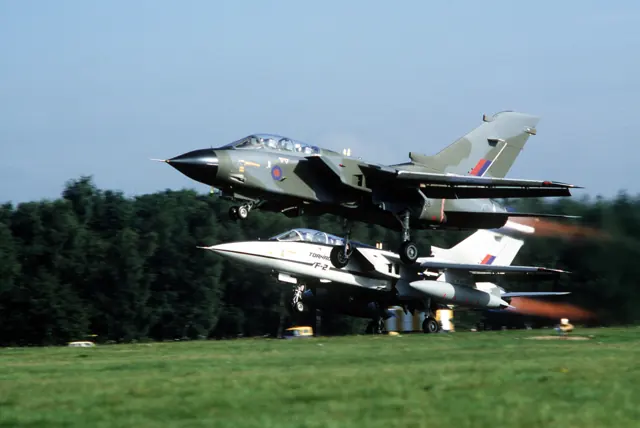
A European variable-sweep combat-aircraft family with distinct strike and interceptor versions.
A twin-radial military transport with a rear ramp and short-field design priorities.
The second-generation Harrier, designed around vectored thrust and short-field operation.
This is AirframeDB’s first release. More features and aircraft research are planned. Leave your email if you’d like occasional updates.