MSFS
Eurocopter EC135 ↗
A compact twin-engine helicopter widely used for medical, police and training work.
2 implementations+ Compare
Explore the aircraft. Find your simulator. Follow the sources.
A compact twin-engine helicopter widely used for medical, police and training work.
The four-engine Flying Fortress, a major American bomber of the Second World War.
A 1920s transport family that developed from a single-engine airliner into a trimotor.
A purpose-built agricultural aircraft that also became a single-engine air tanker.
Ted Smith's piston twin, later produced by Piper as the Aerostar.
A vast inter-war flying boat with twelve engines arranged in six paired installations.
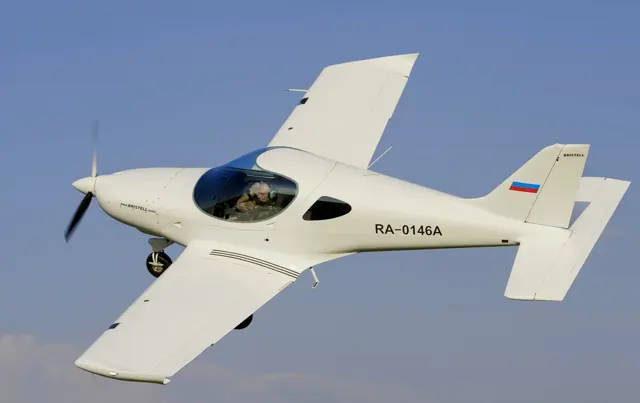
BRM Aero's two-seat B23, represented in MSFS by Airfoillabs.
A light turbine helicopter combining an Alouette II airframe with more powerful Alouette III components.
A twin-hull flying boat with its engines mounted together above the wing.
A tandem-seat jet trainer that also found a second life in civilian display and racing.
A lightweight short-field aircraft with a specialised wing and tall, shock-absorbing landing gear.
Regional flying built around a high wing, two turboprops and short sectors.
A two-seat composite kit aircraft developed from the Lancair 320.
A composite touring single with a whole-aircraft parachute and several generations of avionics.
A pioneering light helicopter whose bubble cabin and exposed structure became widely recognisable.
A tandem-seat utility aircraft whose light structure and high wing suit bush, towing and recreational work.
A two-seat, twin-engine fighter that served naval and land-based air forces in many roles.
A utility piston twin designed for commuter and specialist transport missions.
A First World War trainer that became a familiar sight in the barnstorming era.
A five-seat turbine helicopter developed from Robinson's smaller piston-helicopter line.
The Stationair utility family, combining a high wing with fixed landing gear.
A two-seat Tecnam high-wing aircraft combining composite and metal construction.
A pressurised twin turboprop with a canard, composite airframe and rear-facing propellers.
The Wilga is the real-aircraft starting point for Mike Patey's DRACO and the simulator's DRACO X.
This is AirframeDB’s first release. More features and aircraft research are planned. Leave your email if you’d like occasional updates.