MSFS
Aérospatiale Gazelle ↗
A compact utility helicopter distinguished by its enclosed Fenestron tail rotor.
1 implementations+ Compare
Explore the aircraft. Find your simulator. Follow the sources.
A compact utility helicopter distinguished by its enclosed Fenestron tail rotor.
A four-seat touring family whose Commander 114 added a larger engine and further refinements.
A streamlined light twin helicopter, with the later Bell 230 in the same family.
A post-war Businessliner with a radial engine, cabin transport ambitions and tailwheel gear.
A pressurised twin turboprop with a canard, composite airframe and rear-facing propellers.
Two related Dutch regional jets developed from the F28 lineage.
A box-shaped utility twin whose cabin and rear access are central to its design.
A British utility twin built around short regional and practical transport work.
A retractable-gear touring single with an all-metal airframe and a long-lived enthusiast following.
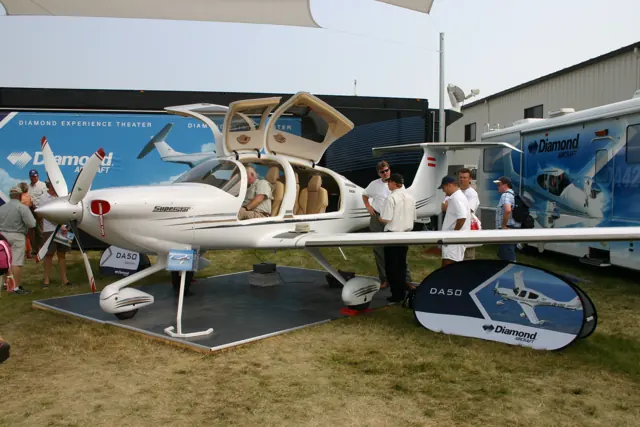
A five-seat composite single whose development led to the diesel DA50 RG.
A compact racing aeroplane built around a large radial engine and very short fuselage.
A compact two-seat light aircraft with a high wing and a wide range of development variants.
Ted Smith's piston twin, later produced by Piper as the Aerostar.
The Stationair utility family, combining a high wing with fixed landing gear.
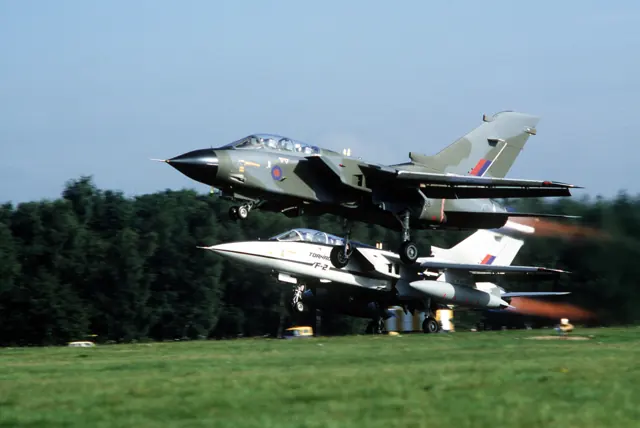
A European variable-sweep combat-aircraft family with distinct strike and interceptor versions.
A radial-engined light transport whose long career covered passengers, freight and military training.
A long-range trijet developed from the DC-10 with a stretched fuselage and revised wing and cockpit.
A family of single-aisle airliners built around sidesticks, electronic flight controls and a shared cockpit.
A long-running touring single, familiar in both V-tail and conventional-tail forms.
A modern two-seat piston helicopter designed around the training role.
The four-engine Flying Fortress, a major American bomber of the Second World War.
A twin-turboprop regional airliner developed through Swedish and American industrial cooperation.
A 1920s transport family that developed from a single-engine airliner into a trimotor.
The CJ4 belongs to Cessna's light-jet line, with two rear-mounted engines and a T-tail.
This is AirframeDB’s first release. More features and aircraft research are planned. Leave your email if you’d like occasional updates.