MSFS
Zivko Edge 540 ↗
A single-seat aerobatic monoplane that also became a familiar air-racing aircraft.
1 implementations+ Compare
Explore the aircraft. Find your simulator. Follow the sources.
A single-seat aerobatic monoplane that also became a familiar air-racing aircraft.
A six-seat composite single turboprop with a pressurised cabin and retractable gear.
A composite amphibian that carries Dornier's centreline engine arrangement into the turboprop era.
A post-war Businessliner with a radial engine, cabin transport ambitions and tailwheel gear.
A three-engine airliner that became a mainstay of Soviet and Russian passenger transport.
A Canadian tandem-seat trainer developed after the Second World War.
Airbus's first production aircraft, built around a twin-engine wide-body layout.
A large twin-engine helicopter from the Super Puma line, used for offshore and public-service work.
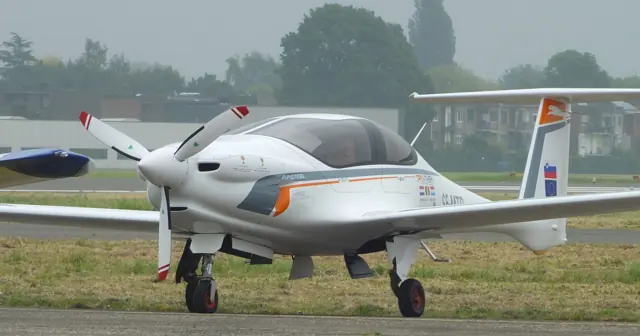
Pipistrel's streamlined four-seat composite-aircraft design.
A radial-engined utility aircraft closely associated with bush flying and float operations.
Avro's delta-wing bomber, developed for Britain's postwar strategic force.
A light tandem-seat taildragger built around the familiar braced high-wing layout.
A modern medium twin-engine helicopter developed as a successor to the Dauphin line.
A twin-aisle Boeing designed alongside the 757's generation of two-pilot flight decks.
Beechcraft's Model 76, designed to introduce pilots to twin-engine flying.
The CJ4 belongs to Cessna's light-jet line, with two rear-mounted engines and a T-tail.
A regional turboprop family whose short early versions and larger Q400 have different proportions and systems.
A Brazilian light trainer with a high wing, tandem seats and a simple utility layout.
Tecnam's four-seat high-wing single, built with metal and carbon-fibre components.
Two related Dutch regional jets developed from the F28 lineage.
A wide-cabin business-jet family that developed from Canadair's original Challenger programme.
A huge wooden flying-boat prototype that made one brief flight in 1947.
A 1920s flying boat with two engines arranged in tandem above the wing.
The Wilga is the real-aircraft starting point for Mike Patey's DRACO and the simulator's DRACO X.
This is AirframeDB’s first release. More features and aircraft research are planned. Leave your email if you’d like occasional updates.