MSFS
Waco CG-4A Hadrian ↗
An unpowered military cargo glider designed to deliver troops and equipment behind a tow aircraft.
1 implementations+ Compare
Explore the aircraft. Find your simulator. Follow the sources.
An unpowered military cargo glider designed to deliver troops and equipment behind a tow aircraft.
A light turbine helicopter whose land-based Scout and naval Wasp branches served different jobs.
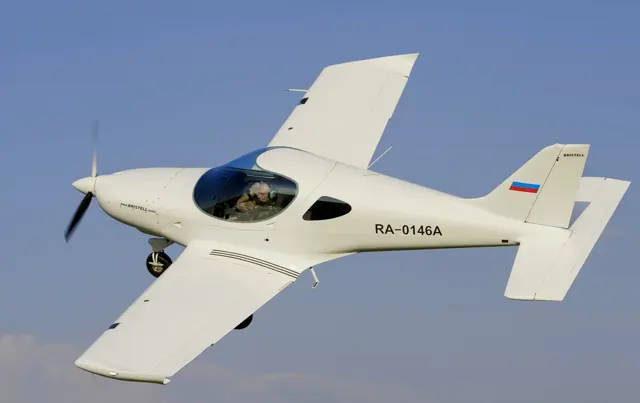
A two-seat composite trainer with a low wing and a large canopy.
A compact utility helicopter distinguished by its enclosed Fenestron tail rotor.
A compact two-seat light aircraft with a high wing and a wide range of development variants.
A twin-engine utility helicopter with roots in the BK 117 and EC145 families.
An open, single-seat ultralight with its propeller behind the pilot.
A Brazilian light trainer with a high wing, tandem seats and a simple utility layout.
BRM Aero's two-seat B23, represented in MSFS by Airfoillabs.
A wooden touring-aircraft family recognisable by the upward-angled outer wing panels.
A short-field Savage with leading-edge slats and a distinct Got Friends simulator implementation.
A turbine-powered utility helicopter with a broad cabin and a long international service history.
A four-engine airliner that brought pressurised-cabin travel into scheduled service.
A pressurised four-engine piston transport from the last major generation before the jet airliner.
A tandem-seat utility aircraft whose light structure and high wing suit bush, towing and recreational work.
A single-engine utility helicopter known as the Écureuil, Squirrel and AStar.
An enclosed, two-seat autogyro with side-by-side seating and a pusher propeller.
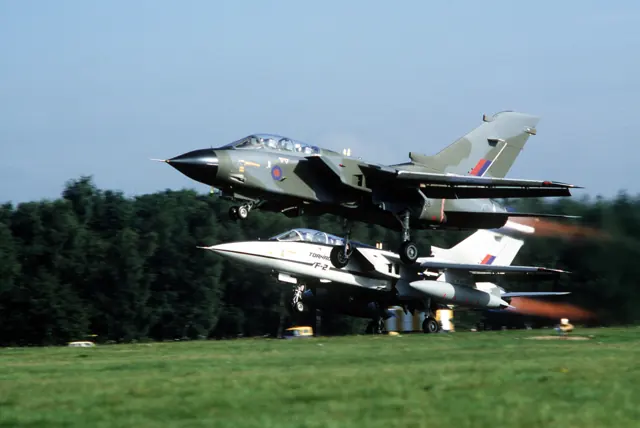
A European variable-sweep combat-aircraft family with distinct strike and interceptor versions.
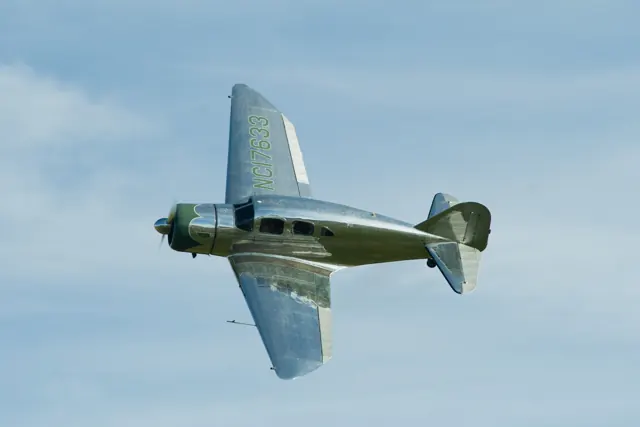
A late-1930s cabin aircraft with metal construction and retractable landing gear.
A two-seat training single with a high wing and fixed tricycle landing gear.
A family of single-aisle airliners built around sidesticks, electronic flight controls and a shared cockpit.
The purpose-built Ryan monoplane used by Charles Lindbergh for his 1927 solo Atlantic crossing.
Two related Dutch regional jets developed from the F28 lineage.
A self-launching sailplane family with its engine inside the fuselage and a folding nose propeller.
This is AirframeDB’s first release. More features and aircraft research are planned. Leave your email if you’d like occasional updates.