MSFS
Erickson S-64F Aircrane ↗
A heavy-lift helicopter built around an open frame and an external working load.
1 implementations+ Compare
Explore the aircraft. Find your simulator. Follow the sources.
A heavy-lift helicopter built around an open frame and an external working load.
A pressurised twin turboprop with a canard, composite airframe and rear-facing propellers.
A compact Czech touring aircraft with side-by-side seats and a streamlined low-wing airframe.
The four-engine Flying Fortress, a major American bomber of the Second World War.
The Stationair utility family, combining a high wing with fixed landing gear.
A light business jet with a swept wing, rear-mounted engines and an integrated flight deck.
A two-seat Tecnam high-wing aircraft combining composite and metal construction.
A British utility twin built around short regional and practical transport work.
A wartime fighter developed from the earlier Curtiss P-36.
An enlarged Velocity kit aircraft with a canard and rear-mounted pusher propeller.
A compact racing aeroplane built around a large radial engine and very short fuselage.
A twin-turbine Huey descendant with a four-blade main rotor.
An open-cockpit biplane trainer that found a second life in civilian flying.
A four-engine airliner that brought pressurised-cabin travel into scheduled service.
Lockheed's tandem-seat Shooting Star jet trainer.
A heavy transport helicopter whose two large rotors remove the need for a tail rotor.
A two-seat composite kit aircraft developed from the Lancair 320.
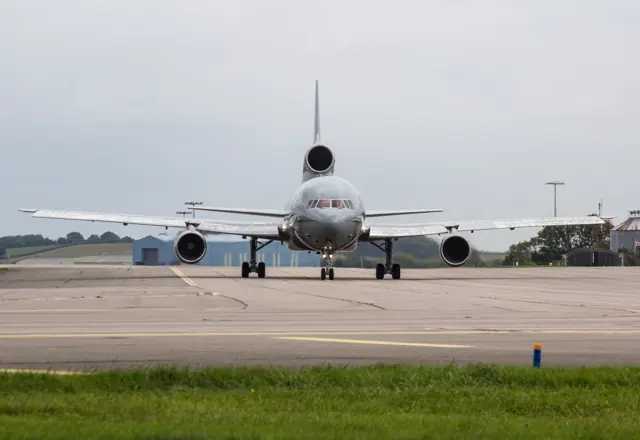
Lockheed's wide-body TriStar, with three RB211 engines and a distinctive tail intake.
A long-range twin designed around a new wide-body airframe and extensive composite construction.
Piper's two-seat trainer with fixed tricycle landing gear.
A four-seat, pressurised kit aircraft with a composite airframe and retractable landing gear.
A twin-turboprop family whose smaller conventional-tail and larger T-tail branches have distinct identities.
A corrugated-metal transport best known in its three-engine form.
A four-seat high-wing single that spans generations of conventional instruments and glass cockpits.
This is AirframeDB’s first release. More features and aircraft research are planned. Leave your email if you’d like occasional updates.