MSFS
Ryan NYP “Spirit of St. Louis” ↗
The purpose-built Ryan monoplane used by Charles Lindbergh for his 1927 solo Atlantic crossing.
2 implementations+ Compare
Explore the aircraft. Find your simulator. Follow the sources.
The purpose-built Ryan monoplane used by Charles Lindbergh for his 1927 solo Atlantic crossing.
A tandem-seat light aircraft with a streamlined low-wing layout.
A wide-cabin business-jet family that developed from Canadair's original Challenger programme.
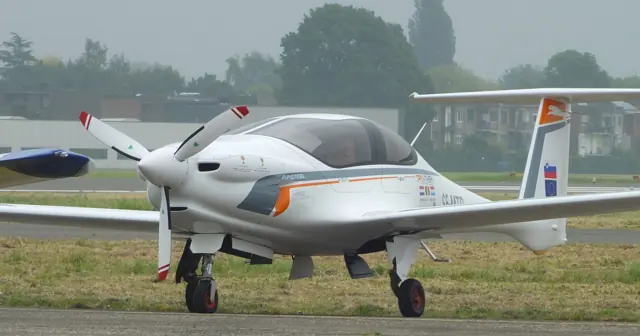
Pipistrel's streamlined four-seat composite-aircraft design.
A box-shaped utility twin whose cabin and rear access are central to its design.
A pressurised twin turboprop with a canard, composite airframe and rear-facing propellers.
A high-wing twin turboprop developed for regional freight and passenger transport.
A long-range fighter whose different engine and canopy developments produced several distinct forms.
A twin-aisle Boeing designed alongside the 757's generation of two-pilot flight decks.
A tandem two-seat sailplane designed for instruction and broader soaring use.
A high-wing utility aircraft known for short-field work and a broad choice of working configurations.
A four-engine military turboprop designed to combine tactical access with long-distance transport.
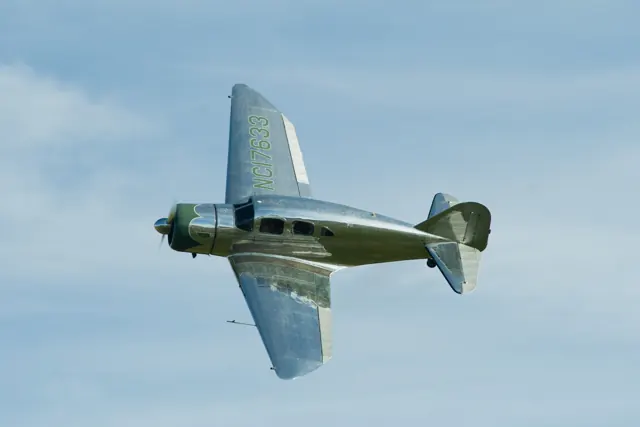
A late-1930s cabin aircraft with metal construction and retractable landing gear.
A four-engine jetliner that helped establish the shape of long-distance jet travel.
An enclosed, two-seat autogyro with side-by-side seating and a pusher propeller.
A composite touring single with a whole-aircraft parachute and several generations of avionics.
A medium commercial helicopter designed for passenger and utility transport.
The Stationair utility family, combining a high wing with fixed landing gear.
A Swedish reconnaissance and dive-bombing aircraft from the early 1940s.
A short-haul jet family that evolved through several generations of engines, wings and flight decks.
A purpose-built agricultural aircraft that also became a single-engine air tanker.
A personal jet with one engine above the rear fuselage and a distinctive V-tail.
A 1920s flying boat with two engines arranged in tandem above the wing.
A twin-engine utility helicopter with roots in the BK 117 and EC145 families.
This is AirframeDB’s first release. More features and aircraft research are planned. Leave your email if you’d like occasional updates.