MSFS
Tecnam P2010 ↗
Tecnam's four-seat high-wing single, built with metal and carbon-fibre components.
1 implementations+ Compare
Explore the aircraft. Find your simulator. Follow the sources.
Tecnam's four-seat high-wing single, built with metal and carbon-fibre components.
A six-engine heavy transport created for exceptionally large external and internal loads.
A carrier-capable multirole fighter, larger than the earlier Hornet from which it developed.
A very large single-engine biplane designed for practical work from modest airfields.
A two-seat composite trainer with a low wing and a large canopy.
A heavy transport helicopter whose two large rotors remove the need for a tail rotor.
A utility piston twin designed for commuter and specialist transport missions.
A cabin biplane with the lower wing placed ahead of the upper one.
Ted Smith's piston twin, later produced by Piper as the Aerostar.
Piper's two-seat trainer with fixed tricycle landing gear.
The JetRanger and LongRanger family: a familiar turbine-helicopter shape with distinct cabin lengths.
An open, single-seat ultralight with its propeller behind the pilot.
A two-seat composite light-aircraft family with a high wing and a compact enclosed cabin.
A four-engine Airbus wide-body developed in parallel with the A330.
A four-seat kit-built touring aircraft that expanded the RV family beyond two-seat designs.
A military liaison aircraft built around a high wing, tandem cabin and short-field utility work.
A small twin-engine amphibian that moved from business transport into military and utility service.
A long-range fighter whose different engine and canopy developments produced several distinct forms.
An advanced trainer known around the world as the Texan, Harvard and SNJ.
A large long-haul twin that introduced Boeing's first commercial fly-by-wire airliner flight controls.
A twin-engine utility helicopter with roots in the BK 117 and EC145 families.
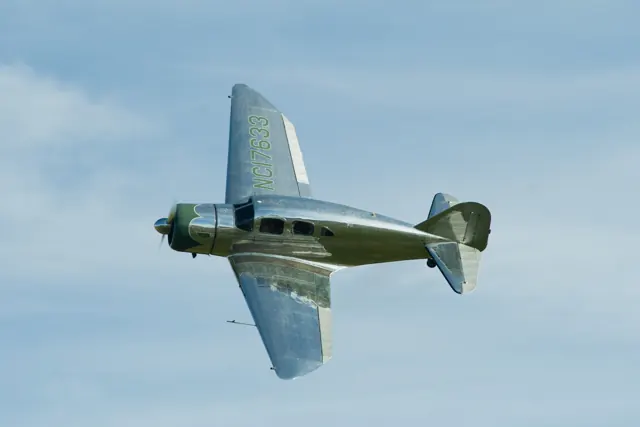
A late-1930s cabin aircraft with metal construction and retractable landing gear.
A twin-turboprop family whose smaller conventional-tail and larger T-tail branches have distinct identities.
This is AirframeDB’s first release. More features and aircraft research are planned. Leave your email if you’d like occasional updates.