MSFS X-Plane
Columbia 400 / Cessna Corvalis ↗
A composite, low-wing touring single with fixed gear and a turbocharged engine.
2 implementations+ Compare
Explore the aircraft. Find your simulator. Follow the sources.
A composite, low-wing touring single with fixed gear and a turbocharged engine.
A two-seat composite trainer with a low wing and a large canopy.
A medium commercial helicopter designed for passenger and utility transport.
Diamond's four-seat light twin, developed with diesel-powered versions.
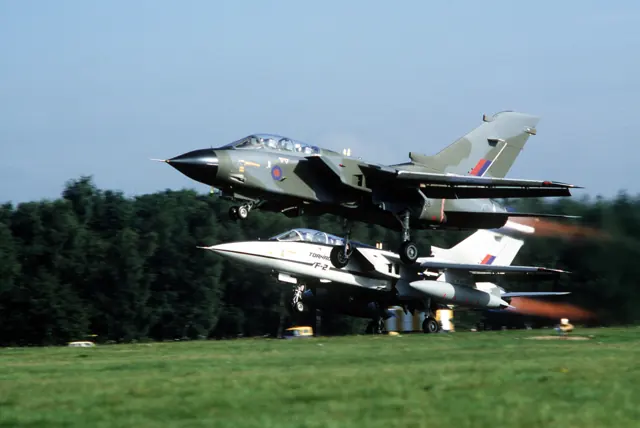
A European variable-sweep combat-aircraft family with distinct strike and interceptor versions.
A radial-engine trainer that also served in combat and civilian warbird roles.
A regional jet family with four small engines, a high wing and a large split tail airbrake.
A Canadian tandem-seat trainer developed after the Second World War.
A tandem-seat light aircraft with a streamlined low-wing layout.
Epic's experimental light-jet project, represented in simulation by Aerobask.
SOCATA's touring-aircraft family, including the Tobago and Trinidad.
A tandem-seat utility aircraft whose light structure and high wing suit bush, towing and recreational work.
An open, single-seat ultralight with its propeller behind the pilot.
Mooney's four-seat piston family, developed through many touring-aircraft variants.
TorqueSim's Pocket Rocket, a simulated PT6-powered light aircraft with two gear layouts.
A four-engine Airbus wide-body developed in parallel with the A330.
The four-engine Flying Fortress, a major American bomber of the Second World War.
A small two-seat piston helicopter with a two-bladed main rotor.
A four-seat, pressurised kit aircraft with a composite airframe and retractable landing gear.
A personal jet with one engine above the rear fuselage and a distinctive V-tail.
The Mitchell medium bomber, named for aviation advocate Billy Mitchell.
An Italian light aircraft known for military training and aerobatic use.
A wide-cabin business-jet family that developed from Canadair's original Challenger programme.
A heavy transport helicopter whose two large rotors remove the need for a tail rotor.
This is AirframeDB’s first release. More features and aircraft research are planned. Leave your email if you’d like occasional updates.