MSFS
Airbus H160 ↗
A modern medium twin-engine helicopter developed as a successor to the Dauphin line.
1 implementations+ Compare
Explore the aircraft. Find your simulator. Follow the sources.
A modern medium twin-engine helicopter developed as a successor to the Dauphin line.
A midsize business jet developed by Bombardier’s Learjet division.
The H130 utility helicopter, descended from the AS350 and fitted with a Fenestron.
A stretched development of the DC-9 with rear-mounted engines and a five-abreast cabin.
A compact Italian light twin with a shoulder wing and metal airframe.
An enlarged Velocity kit aircraft with a canard and rear-mounted pusher propeller.
A utility piston twin designed for commuter and specialist transport missions.
A large twin-radial transport that carried heavy loads through wartime and post-war freight service.
Airbus's first production aircraft, built around a twin-engine wide-body layout.
A close-air-support aircraft with a straight wing, twin tail and two widely separated jet engines.
A corrugated-metal, three-engine transport from the formative years of airline travel.
Lockheed's tandem-seat Shooting Star jet trainer.
The purpose-built Ryan monoplane used by Charles Lindbergh for his 1927 solo Atlantic crossing.
A carbon-fibre aerobatic monoplane family with a dedicated air-racing branch.
A tandem two-seat sailplane designed for instruction and broader soaring use.
A twin-turboprop utility aircraft developed by Reims Aviation with Cessna.
A modern utility single whose family includes both tailwheel and nosewheel configurations.
A corrugated-metal transport best known in its three-engine form.
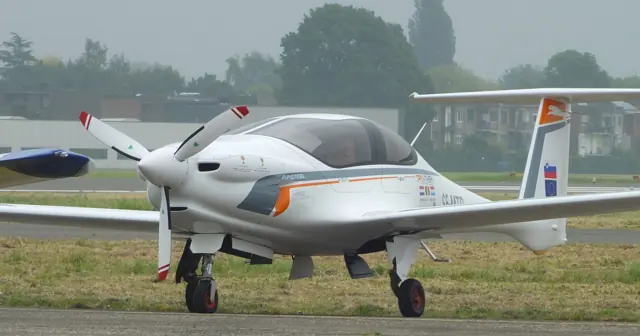
Pipistrel's streamlined four-seat composite-aircraft design.
Mooney's four-seat piston family, developed through many touring-aircraft variants.
A four-bladed utility helicopter developed from the LongRanger lineage.
A composite touring single with a whole-aircraft parachute and several generations of avionics.
A twin-turbine Huey descendant with a four-blade main rotor.
A box-shaped utility twin whose cabin and rear access are central to its design.
This is AirframeDB’s first release. More features and aircraft research are planned. Leave your email if you’d like occasional updates.