MSFS X-Plane
Tecnam P2006T ↗
A compact Italian light twin with a shoulder wing and metal airframe.
2 implementations+ Compare
Explore the aircraft. Find your simulator. Follow the sources.
A compact Italian light twin with a shoulder wing and metal airframe.
A tailwheel utility single built around a high wing and a substantial working cabin.
A hybrid-electric regional-airliner concept represented in the simulator while the real programme develops.
A huge wooden flying-boat prototype that made one brief flight in 1947.
A two-seat light amphibian with a compact boat hull and a pusher propeller.
A compact twin-engine helicopter widely used for medical, police and training work.
A single-seat aerobatic monoplane that also became a familiar air-racing aircraft.
A fixed-gear twin turboprop with a long history in regional and remote-area transport.
A long-range twin whose programme emphasised composite construction and more electrically powered systems.
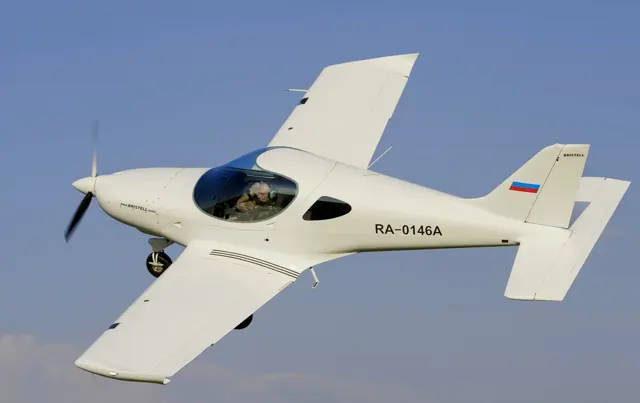
BRM Aero's two-seat B23, represented in MSFS by Airfoillabs.
Tecnam's four-seat high-wing single, built with metal and carbon-fibre components.
Diamond's four-seat light twin, developed with diesel-powered versions.
A rear-engined trijet built to bring jet service to shorter routes and smaller airports.
A Polish utility aircraft designed for short takeoffs and landings.
A long-range trijet developed from the DC-10 with a stretched fuselage and revised wing and cockpit.
A large amphibious flying boat built around maritime rescue and utility transport.
The CJ4 belongs to Cessna's light-jet line, with two rear-mounted engines and a T-tail.
A purpose-built aerobatic monoplane family developed by pilot and designer Walter Extra.
A single-seat competition sailplane offered in Standard and 18-metre configurations.
A side-by-side two-seat sailplane with a retractable powerplant for self-launching.
A twin-aisle Boeing designed alongside the 757's generation of two-pilot flight decks.
A streamlined twin-engine helicopter with a Fenestron tail rotor and retractable landing gear.
A corrugated-metal transport best known in its three-engine form.
The second-generation Harrier, designed around vectored thrust and short-field operation.
This is AirframeDB’s first release. More features and aircraft research are planned. Leave your email if you’d like occasional updates.