MSFS
Beechcraft Model 17 Staggerwing ↗
A cabin biplane with the lower wing placed ahead of the upper one.
1 implementations+ Compare
Explore the aircraft. Find your simulator. Follow the sources.
A cabin biplane with the lower wing placed ahead of the upper one.
A two-seat Tecnam high-wing aircraft combining composite and metal construction.
A hybrid-electric regional-airliner concept represented in the simulator while the real programme develops.
A twin-turbine Huey descendant with a four-blade main rotor.
A personal jet with one engine above the rear fuselage and a distinctive V-tail.
A twin-engine business jet designed to retain some of the utility flexibility associated with the PC-12.
A short-field Savage with leading-edge slats and a distinct Got Friends simulator implementation.
Piper's two-seat trainer with fixed tricycle landing gear.
An Italian light aircraft known for military training and aerobatic use.
A stretched development of the DC-9 with rear-mounted engines and a five-abreast cabin.
An enclosed, two-seat autogyro with side-by-side seating and a pusher propeller.
A modern composite twin with a roomy cabin and two wing-mounted piston engines.
A six-engine heavy transport created for exceptionally large external and internal loads.
A radial-engined utility aircraft closely associated with bush flying and float operations.
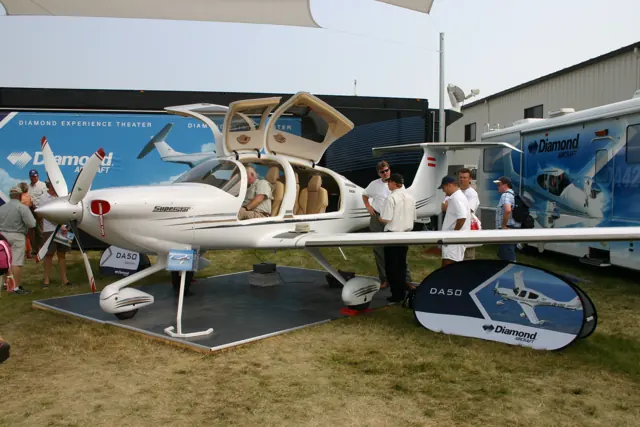
A five-seat composite single whose development led to the diesel DA50 RG.
A small two-seat piston helicopter with a two-bladed main rotor.
A midsize business jet developed by Bombardier’s Learjet division.
A post-war Czech light twin with a rounded cabin and engines carried on a low wing.
A vast inter-war flying boat with twelve engines arranged in six paired installations.
An open, single-seat ultralight with its propeller behind the pilot.
A pioneering all-metal transport with an enclosed passenger cabin and corrugated skin.
A low-wing agricultural Cessna with a cockpit and hopper arranged around the job.
A compact rear-engined jet designed for short-haul regional airline work.
A long-running touring single, familiar in both V-tail and conventional-tail forms.
This is AirframeDB’s first release. More features and aircraft research are planned. Leave your email if you’d like occasional updates.