X-Plane
McDonnell Douglas MD-11 ↗
A long-range trijet developed from the DC-10 with a stretched fuselage and revised wing and cockpit.
1 implementations+ Compare
Explore the aircraft. Find your simulator. Follow the sources.
A long-range trijet developed from the DC-10 with a stretched fuselage and revised wing and cockpit.
A three-engine airliner that became a mainstay of Soviet and Russian passenger transport.
A compact racing aeroplane built around a large radial engine and very short fuselage.
Two related Dutch regional jets developed from the F28 lineage.
A wooden touring-aircraft family recognisable by the upward-angled outer wing panels.
A composite amphibian that carries Dornier's centreline engine arrangement into the turboprop era.
A cabin-class piston twin designed for commuter, cargo and utility work.
A four-engine airliner whose history also includes long-range maritime military service.
An open, single-seat ultralight with its propeller behind the pilot.
A military liaison aircraft built around a high wing, tandem cabin and short-field utility work.
A long-range twin designed around a new wide-body airframe and extensive composite construction.
A personal jet with one engine above the rear fuselage and a distinctive V-tail.
A family of single-aisle airliners built around sidesticks, electronic flight controls and a shared cockpit.
The Model 525 CitationJet, the starting point of Cessna's CJ and M2 lineage.
A long-running touring single, familiar in both V-tail and conventional-tail forms.
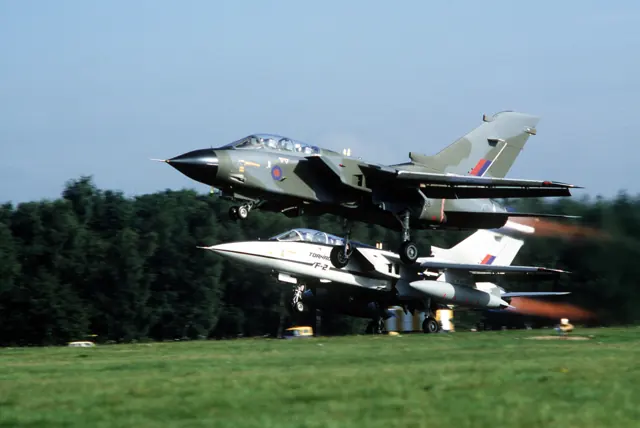
A European variable-sweep combat-aircraft family with distinct strike and interceptor versions.
A short-field Savage with leading-edge slats and a distinct Got Friends simulator implementation.
A two-seat composite kit aircraft developed from the Lancair 320.
A four-bladed utility helicopter developed from the LongRanger lineage.
A two-seat composite light-aircraft family with a high wing and a compact enclosed cabin.
A tailwheel utility single built around a high wing and a substantial working cabin.
A heavy transport helicopter whose two large rotors remove the need for a tail rotor.
A 1920s flying boat with two engines arranged in tandem above the wing.
A huge wooden flying-boat prototype that made one brief flight in 1947.
This is AirframeDB’s first release. More features and aircraft research are planned. Leave your email if you’d like occasional updates.