MSFS X-Plane
Douglas C-47 Skytrain ↗
A military transport developed from the DC-3, used for cargo, troops, parachuting and glider towing.
3 implementations+ Compare
Explore the aircraft. Find your simulator. Follow the sources.
A military transport developed from the DC-3, used for cargo, troops, parachuting and glider towing.
A six-seat composite single turboprop with a pressurised cabin and retractable gear.
A two-seat composite kit aircraft developed from the Lancair 320.
A twin-radial airliner that helped make practical passenger transport a regular business.
A light business jet with a swept wing, rear-mounted engines and an integrated flight deck.
A two-seat naval fighter with variable-sweep wings and a cockpit built around pilot and radar-intercept officer roles.
A side-by-side military trainer with a low wing and fixed tricycle landing gear.
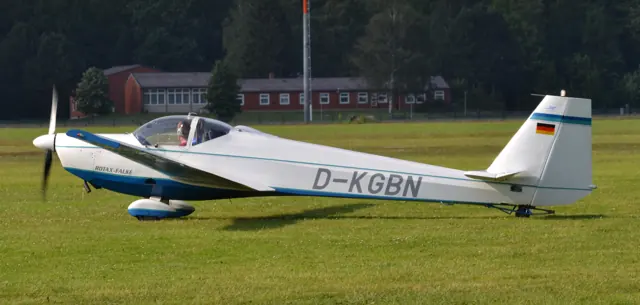
A side-by-side touring motorglider used for both powered flying and soaring.
A short-haul jet family that evolved through several generations of engines, wings and flight decks.
Grumman’s small twin-engine amphibian: a flying boat with retractable wheels and a life spanning wartime service, private travel and seaplane training.
Epic's experimental light-jet project, represented in simulation by Aerobask.
A composite amphibian that carries Dornier's centreline engine arrangement into the turboprop era.
Beechcraft's Model 76, designed to introduce pilots to twin-engine flying.
A short-field Savage with leading-edge slats and a distinct Got Friends simulator implementation.
A cabin-class piston twin designed for commuter, cargo and utility work.
A tandem-seat utility aircraft whose light structure and high wing suit bush, towing and recreational work.
A long-haul twin whose family spans passenger, freight and specialist transport roles.
A hybrid-electric regional-airliner concept represented in the simulator while the real programme develops.
A lightweight short-field aircraft with a specialised wing and tall, shock-absorbing landing gear.
A four-engine tactical transport built around a rear loading ramp and access to austere airfields.
A low-wing agricultural Cessna with a cockpit and hopper arranged around the job.
The fixed-gear, six-cylinder touring branch of Piper's PA-28 family.
A shorter wide-body Airbus from the transition to two-pilot, electronic-instrument cockpits.
A pressurised touring twin whose piston and turbine-conversion versions make a particularly interesting comparison.
New aircraft, useful sources and improvements to AirframeDB. Occasional updates, when there’s something to share.