MSFS
Reims F406 Caravan II ↗
A twin-turboprop utility aircraft developed by Reims Aviation with Cessna.
1 implementations+ Compare
Explore the aircraft. Find your simulator. Follow the sources.
A twin-turboprop utility aircraft developed by Reims Aviation with Cessna.
A pressurised single-engine turboprop family that combines a compact cabin with retractable gear.
A midsize business jet developed by Bombardier’s Learjet division.
A light tandem-seat taildragger built around the familiar braced high-wing layout.
Regional flying built around a high wing, two turboprops and short sectors.
A post-war Businessliner with a radial engine, cabin transport ambitions and tailwheel gear.
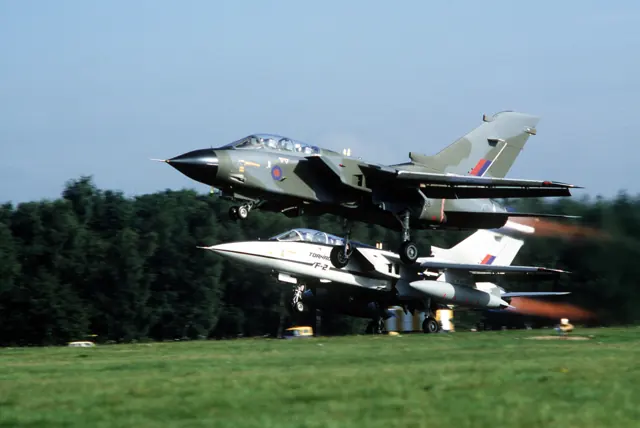
A European variable-sweep combat-aircraft family with distinct strike and interceptor versions.
A personal jet with one engine above the rear fuselage and a distinctive V-tail.
A lightweight pusher family with an enclosed cabin and a high, braced wing.
A box-shaped utility twin whose cabin and rear access are central to its design.
A single-seat aerobatic monoplane that also became a familiar air-racing aircraft.
A Polish utility aircraft designed for short takeoffs and landings.
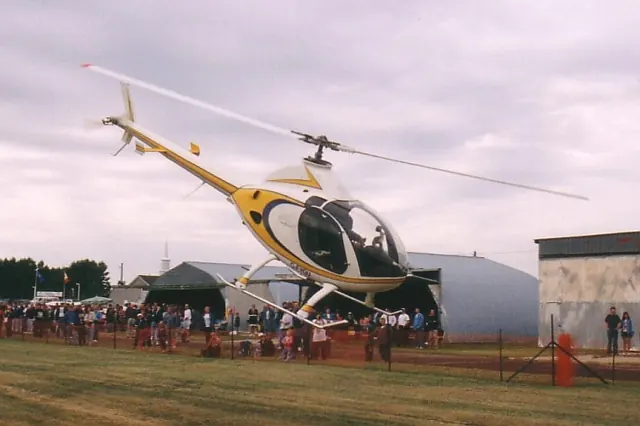
RotorWay's two-seat kit-helicopter family, with piston and turbine simulator interpretations.
A small three-engine demonstrator created to explore technologies for a future supersonic airliner.
A British utility twin built around short regional and practical transport work.
A corrugated-metal transport best known in its three-engine form.
A wartime fighter developed from the earlier Curtiss P-36.
A twin-engine utility helicopter with roots in the BK 117 and EC145 families.
A low-wing piston twin that carries the Beechcraft touring-aircraft lineage into two-engine flying.
A jet-powered military transport designed for both strategic loads and tactical airfield access.
A regional turboprop family whose short early versions and larger Q400 have different proportions and systems.
A compact twin-engine transport helicopter with retractable gear and a long development history.
A compact utility helicopter distinguished by its enclosed Fenestron tail rotor.
The second-generation Harrier, designed around vectored thrust and short-field operation.
This is AirframeDB’s first release. More features and aircraft research are planned. Leave your email if you’d like occasional updates.