MSFS
Grumman Albatross HU-16 / G-111 ↗
A large amphibious flying boat built around maritime rescue and utility transport.
1 implementations+ Compare
Explore the aircraft. Find your simulator. Follow the sources.
A large amphibious flying boat built around maritime rescue and utility transport.
Regional flying built around a high wing, two turboprops and short sectors.
An unpowered military cargo glider designed to deliver troops and equipment behind a tow aircraft.
A super-midsize business jet with a swept wing, rear-mounted engines and an integrated glass cockpit.
A hybrid-electric regional-airliner concept represented in the simulator while the real programme develops.
A narrow-body twin developed as a new generation of medium-range airliner.
An amphibious turboprop designed around scooping water and delivering it to fires.
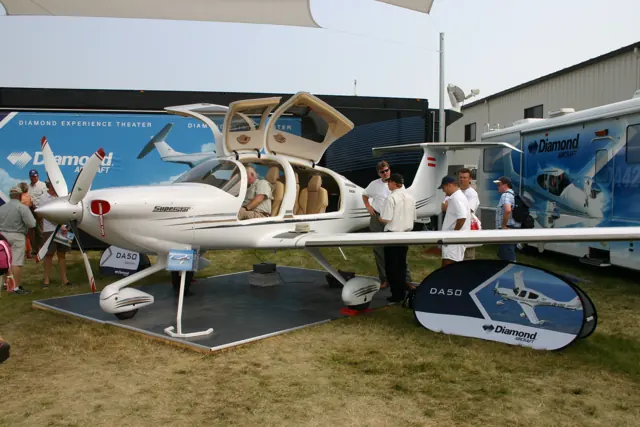
A five-seat composite single whose development led to the diesel DA50 RG.
A two-seat composite light-aircraft family with a high wing and a compact enclosed cabin.
An open, single-seat ultralight with its propeller behind the pilot.
A post-war Businessliner with a radial engine, cabin transport ambitions and tailwheel gear.
A compact Japanese twin turboprop with a high wing and pressurised cabin.
A six-engine heavy transport created for exceptionally large external and internal loads.
A radial-engined light transport whose long career covered passengers, freight and military training.
A twin-turboprop family whose smaller conventional-tail and larger T-tail branches have distinct identities.
A twin-aisle Boeing designed alongside the 757's generation of two-pilot flight decks.
Diamond's four-seat light twin, developed with diesel-powered versions.
A Brazilian light trainer with a high wing, tandem seats and a simple utility layout.
A tailwheel utility single built around a high wing and a substantial working cabin.
A post-war Czech light twin with a rounded cabin and engines carried on a low wing.
A carrier-capable multirole fighter, larger than the earlier Hornet from which it developed.
A streamlined twin-engine helicopter with a Fenestron tail rotor and retractable landing gear.
The Wilga is the real-aircraft starting point for Mike Patey's DRACO and the simulator's DRACO X.
This is AirframeDB’s first release. More features and aircraft research are planned. Leave your email if you’d like occasional updates.