MSFS
Flight Design CTSL ↗
A two-seat composite light-aircraft family with a high wing and a compact enclosed cabin.
2 implementations+ Compare
Explore the aircraft. Find your simulator. Follow the sources.
A two-seat composite light-aircraft family with a high wing and a compact enclosed cabin.
A push-pull twin with one engine at each end of the central fuselage.
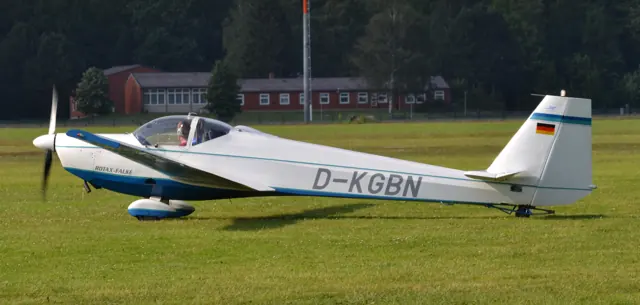
A side-by-side touring motorglider used for both powered flying and soaring.
A low-wing piston twin that carries the Beechcraft touring-aircraft lineage into two-engine flying.
A twin-turbine Huey descendant with a four-blade main rotor.
A modern two-seat piston helicopter designed around the training role.
The four-engine Flying Fortress, a major American bomber of the Second World War.
A four-seat high-wing single that spans generations of conventional instruments and glass cockpits.
A four-seat, pressurised kit aircraft with a composite airframe and retractable landing gear.
The retractable member of Beechcraft’s Musketeer family: a roomy, four-cylinder travelling aircraft with an unusually large baggage door.
A small three-engine demonstrator created to explore technologies for a future supersonic airliner.
A five-seat turbine helicopter developed from Robinson's smaller piston-helicopter line.
Three fictional aircraft for exploring X-Plane’s atmosphere, terrain and extreme flight regimes.
A two-seat touring motorglider with interchangeable wing tips.
A Canadian tandem-seat trainer developed after the Second World War.
A five-seat composite single whose development led to the diesel DA50 RG.
A high-wing twin turboprop developed for regional freight and passenger transport.
Regional flying built around a high wing, two turboprops and short sectors.
A 1920s transport family that developed from a single-engine airliner into a trimotor.
A purpose-built agricultural aircraft that also became a single-engine air tanker.
A tandem two-seat sailplane family used for training and cross-country soaring.
A light turbine helicopter whose land-based Scout and naval Wasp branches served different jobs.
A modern medium twin-engine helicopter developed as a successor to the Dauphin line.
The purpose-built Ryan monoplane used by Charles Lindbergh for his 1927 solo Atlantic crossing.
New aircraft, useful sources and improvements to AirframeDB. Occasional updates, when there’s something to share.