MSFS
Boeing 307 Stratoliner ↗
A four-engine airliner that brought pressurised-cabin travel into scheduled service.
1 implementations+ Compare
Explore the aircraft. Find your simulator. Follow the sources.
A four-engine airliner that brought pressurised-cabin travel into scheduled service.
A small two-seat piston helicopter with a two-bladed main rotor.
A 1920s transport family that developed from a single-engine airliner into a trimotor.
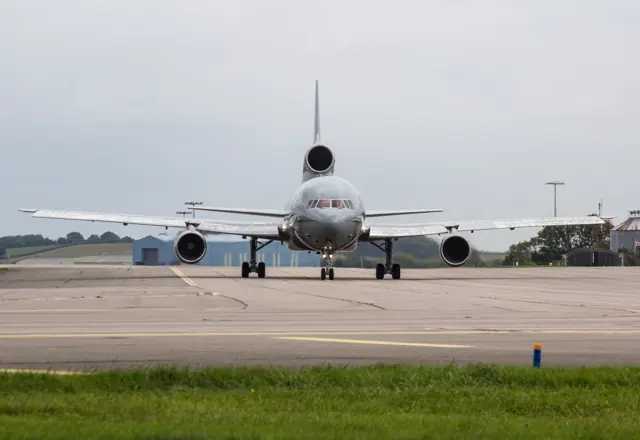
Lockheed's wide-body TriStar, with three RB211 engines and a distinctive tail intake.
A compact utility helicopter distinguished by its enclosed Fenestron tail rotor.
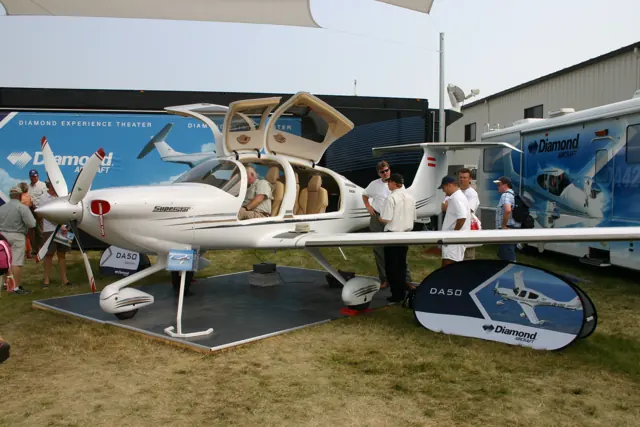
A two-seat composite light-aircraft family with a high wing and a compact enclosed cabin.
A pressurised single-engine turboprop family that combines a compact cabin with retractable gear.
The Model 525 CitationJet, the starting point of Cessna's CJ and M2 lineage.
A military transport developed from the DC-3, used for cargo, troops, parachuting and glider towing.
A cabin biplane with the lower wing placed ahead of the upper one.
A twin-aisle Boeing designed alongside the 757's generation of two-pilot flight decks.
A British utility twin built around short regional and practical transport work.
A wartime fighter developed from the earlier Curtiss P-36.
Regional flying built around a high wing, two turboprops and short sectors.
A two-seat Tecnam high-wing aircraft combining composite and metal construction.
A five-seat composite single whose development led to the diesel DA50 RG.
A two-seat composite trainer with a low wing and a large canopy.
A 1920s flying boat with two engines arranged in tandem above the wing.
A high-wing twin turboprop developed for regional freight and passenger transport.
TorqueSim's Pocket Rocket, a simulated PT6-powered light aircraft with two gear layouts.
An open, single-seat ultralight with its propeller behind the pilot.
The Mitchell medium bomber, named for aviation advocate Billy Mitchell.
A swept-wing business jet designed around high subsonic cruise speed.
A four-seat high-wing single that spans generations of conventional instruments and glass cockpits.
This is AirframeDB’s first release. More features and aircraft research are planned. Leave your email if you’d like occasional updates.