MSFS X-Plane
Diamond DA62 ↗
A modern composite twin with a roomy cabin and two wing-mounted piston engines.
3 implementations+ Compare
Explore the aircraft. Find your simulator. Follow the sources.
A modern composite twin with a roomy cabin and two wing-mounted piston engines.
A British utility twin built around short regional and practical transport work.
A long-range strategic bomber with a swept wing and eight jet engines in paired pods.
A Canadian tandem-seat trainer developed after the Second World War.
The Model 525 CitationJet, the starting point of Cessna's CJ and M2 lineage.
A tandem two-seat sailplane designed for instruction and broader soaring use.
Epic's experimental light-jet project, represented in simulation by Aerobask.
A six-seat composite single turboprop with a pressurised cabin and retractable gear.
A four-engine Airbus wide-body developed in parallel with the A330.
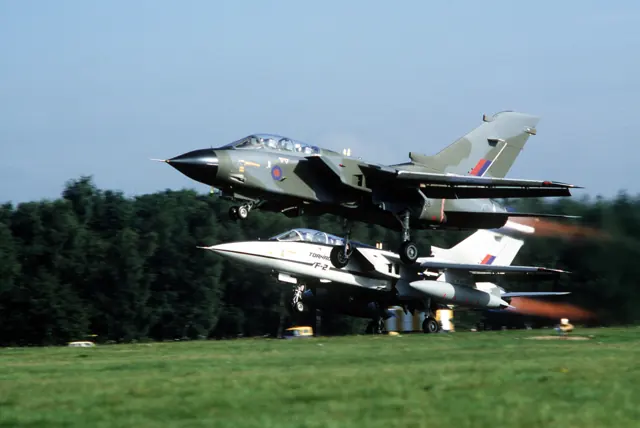
A European variable-sweep combat-aircraft family with distinct strike and interceptor versions.
A low-wing piston family that spans simple trainers, touring aircraft and retractable-gear Arrows.
A very light twin jet developed from the Eclipse 500.
The JetRanger and LongRanger family: a familiar turbine-helicopter shape with distinct cabin lengths.
A twin-aisle Boeing designed alongside the 757's generation of two-pilot flight decks.
Beechcraft's Model 76, designed to introduce pilots to twin-engine flying.
The second-generation Harrier, designed around vectored thrust and short-field operation.
An open, single-seat ultralight with its propeller behind the pilot.
A single-engine utility helicopter known as the Écureuil, Squirrel and AStar.
A single-engine turboprop workhorse for passenger services, freight and remote-area transport.
A two-seat, twin-engine fighter that served naval and land-based air forces in many roles.
Dassault's long-range Falcon 8X, developed from the three-engine 7X.
A composite, low-wing touring single with fixed gear and a turbocharged engine.
A high-wing utility turboprop designed for short-field passenger and cargo work.
A twin-turboprop family whose smaller conventional-tail and larger T-tail branches have distinct identities.
This is AirframeDB’s first release. More features and aircraft research are planned. Leave your email if you’d like occasional updates.