MSFS
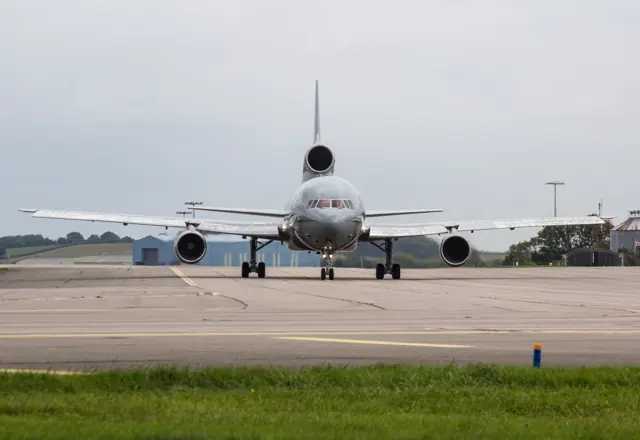
Lockheed L-1011 TriStar ↗
Lockheed's wide-body TriStar, with three RB211 engines and a distinctive tail intake.
1 implementations+ Compare
Explore the aircraft. Find your simulator. Follow the sources.
Lockheed's wide-body TriStar, with three RB211 engines and a distinctive tail intake.
A cabin biplane with the lower wing placed ahead of the upper one.
A two-seat Tecnam high-wing aircraft combining composite and metal construction.
A fixed-wing observation aircraft with a helicopter-like view from its glazed nose.
A twin-turbine Huey descendant with a four-blade main rotor.
A cabin-class piston twin designed for commuter, cargo and utility work.
A vast inter-war flying boat with twelve engines arranged in six paired installations.
A specialised reconnaissance aircraft designed for very high altitude and sustained supersonic flight.
A streamlined light twin helicopter, with the later Bell 230 in the same family.
A compact twin-engine helicopter widely used for medical, police and training work.
Piper's PA-31 utility twin, used in commuter, cargo and corporate transport.
Avro's delta-wing bomber, developed for Britain's postwar strategic force.
A four-engine tactical transport built around a rear loading ramp and access to austere airfields.
A pioneering all-metal transport with an enclosed passenger cabin and corrugated skin.
A light turbine helicopter whose land-based Scout and naval Wasp branches served different jobs.
A large twin-engine helicopter from the Super Puma line, used for offshore and public-service work.
A four-engine airliner whose history also includes long-range maritime military service.
A carrier-capable multirole fighter, larger than the earlier Hornet from which it developed.
A turbine-powered utility helicopter with a broad cabin and a long international service history.
Mooney's four-seat piston family, developed through many touring-aircraft variants.
A pioneering light helicopter whose bubble cabin and exposed structure became widely recognisable.
A rear-engined trijet built to bring jet service to shorter routes and smaller airports.
A self-launching sailplane family with its engine inside the fuselage and a folding nose propeller.
The second-generation Harrier, designed around vectored thrust and short-field operation.
This is AirframeDB’s first release. More features and aircraft research are planned. Leave your email if you’d like occasional updates.




























