








Start here
A few places to begin, from the aircraft’s story to the people who fly it.
Meet the aircraft
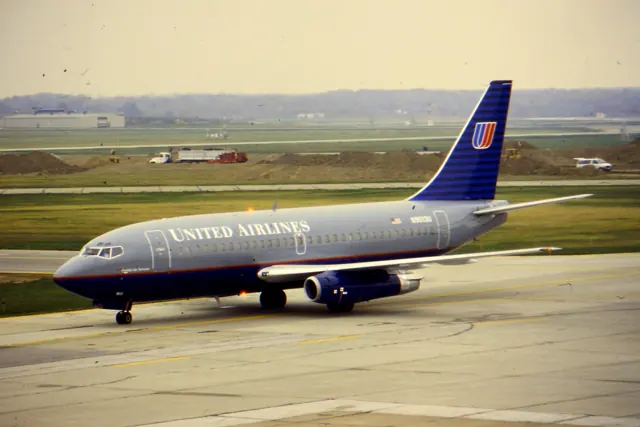
The first 737 flew in 1967. Boeing retained the six-abreast fuselage width familiar from its earlier jets while placing two engines under the wing. The aircraft subsequently developed through the Original, Classic, Next Generation and MAX generations. Engines, displays and systems differ between the early 737-200, the 737-800 and the 737 MAX.
Aircraft background
Wikipedia contributors · Read more ↗A cross-country flight in the MAX 9
Bedell’s MAX 9 trip begins with a familiar cockpit wrapped around noticeably larger displays. He describes the same confined working space, overhead switches and trim wheels he knew from earlier 737s, alongside quieter engines and small practical improvements such as extra cupholders and glareshield buttons. The longer engine-start sequence and stronger idle thrust were immediately apparent during preparation and taxi.
AOPA Pilot · 2 November 2022. Washington–San Francisco summer flight in a 737 MAX 9, compared with the author’s NG experience.
AOPA Pilot · Read more ↗Visible switches do not all imply working systems
Laminar's 737 guide documents hydraulic source controls and the STAB OUT OF TRIM indication. It also limits the pictured flight-control panel's implemented functionality to the yaw damper.
Boeing 737-800 · X-Plane 12
Laminar Research · Read more ↗Into the cockpit
 YouTube
Mentour Pilot
Boeing 737 Unable to Trim!! Cockpit video (Full flight sim)
Mentour Pilot demonstrates why manual trim can become difficult under load.
Boeing 737; full-flight simulator demonstration
Watch on YouTube ↗Preview images are served by AirframeDB. Videos open on YouTube only when you choose to watch.
Meet Boeing 737 family
The first 737 flew in 1967. Boeing retained the six-abreast fuselage width familiar from its earlier jets while placing two engines under the wing. The aircraft subsequently developed through the Original, Classic, Next Generation and MAX generations.
Engines, displays and systems differ between the early 737-200, the 737-800 and the 737 MAX. Simulator products add another layer of variation, from bundled aircraft to specialist implementations with their own failures, options and documentation.
Boeing 737
Boeing → · Explore the family →
737 Original
The early 737 generation represented here by the 737-200.
Wikipedia contributors · Boeing 737 ↗737-200
Wikipedia contributors · Boeing 737 ↗737 Next Generation
The NG generation is distinct from the later MAX aircraft.
Wikipedia contributors · Boeing 737 ↗737-600
Wikipedia contributors · Boeing 737 ↗PMDG · MSFS 2024 · MSFS 2020 →737-700
Wikipedia contributors · Boeing 737 ↗PMDG · MSFS 2024 · MSFS 2020 →737-800
Wikipedia contributors · Boeing 737 ↗Laminar Research · X-Plane 12 →Laminar Research · X-Plane 11 →PMDG · MSFS 2024 · MSFS 2020 →Zibo · X-Plane 11 · X-Plane 12 →737-900
Wikipedia contributors · Boeing 737 ↗PMDG · MSFS 2024 · MSFS 2020 →737 MAX
MAX is a later 737 generation. The represented MSFS model below is the MAX 8.
Wikipedia contributors · Boeing 737 ↗737 MAX 8
iFly’s product listing covers the MAX8 specifically. Its MSFS 2024 version is marked experimental.
Flight1 / iFly · iFly 737 MAX8 for MSFS ↗Microsoft Flight Simulator · MSFS 2024 →iFly · MSFS 2020 · MSFS 2024 →737-200 Advanced
FlyJSim · 732 TwinJet V4 Pro XP12-FlyJSim-B732-v4 ↗FlyJSim · X-Plane 11 · X-Plane 12 →Aircraft type designators
Use the code for the model you are flying. The linked authority lists the applicable aircraft.
History & design
Development milestones
First flight: April 9, 1967 ( 1967-04-09 )
Wikipedia contributors · Boeing 737 ↗Boeing 737 · family/variant named by the source · Wikipedia revision 1374061079
Pilot accounts
A cross-country flight in the MAX 9
Bedell’s MAX 9 trip begins with a familiar cockpit wrapped around noticeably larger displays. He describes the same confined working space, overhead switches and trim wheels he knew from earlier 737s, alongside quieter engines and small practical improvements such as extra cupholders and glareshield buttons. The longer engine-start sequence and stronger idle thrust were immediately apparent during preparation and taxi.
Once airborne, he found the initial climb unhurried, although intermediate level-offs prevented a clean comparison. Cruise was where the newer aircraft impressed him: he recorded lower fuel consumption, a quieter cockpit and an arrival ahead of schedule with more fuel than planned. He also preferred its behaviour during full-flap approaches. These are observations from one flight and his operating experience, rather than a controlled performance trial or a general assessment of every MAX variant.
AOPA Pilot · 2 November 2022. Washington–San Francisco summer flight in a 737 MAX 9, compared with the author’s NG experience.
Read the full account · AOPA Pilot ↗Trading the fighter mission for an airline flight
Wooten describes a striking change in what occupied his attention after leaving the US Air Force in early 2022. In the F-15E, he had concentrated on tactics and employing the aircraft. In the 737, the conversation centred on departure, arrival, weather and giving passengers a smooth journey. He remembers the surprise of making his first actual 737 landing with a cabin full of passengers after the airline’s simulator-based preparation.
That experience did not mean there was nothing left to learn. He was still developing familiarity with the avionics and a new set of cockpit habits, helped by the airline’s mentoring process. The working relationships felt different too: a captain and first officer might share a trip and never meet again, unlike a close-knit fighter squadron.
The War Zone · Jamie Hunter interview, 10 November 2022. Early airline experience after nineteen years flying the F-15E; 737 variant and airline not named.
Read the full account · The War Zone ↗Learning a lighter touch after the MD-80
The author recalls arriving for the first 737 trip after weeks of ground school, simulator sessions and checks, aware that the passengers could not know it was their pilot’s first flight in the actual aircraft. A check airman accompanied the three-day period of initial operating experience. After many years on the MD-80, the move had been a deliberate search for a new challenge, and confidence grew noticeably between the first and final approaches.
The greatest handling adjustment was learning to use smaller, lighter inputs. The author also welcomed the electronic displays and automated loading of route, weather and loading information, while admitting that the data-entry sequence still required care. Landings took longer to become satisfying, especially as the instructor varied flap settings and the sight picture changed. The account describes the process of becoming comfortable in a new type; its comparisons are the writer’s personal impressions.
First-person account syndicated by Paperblog. Self-reported transition after thirteen years and more than 9,000 hours on the MD-80; 737 Next Generation.
Read the full account · AirlinePilotChatter / Paperblog ↗In your simulator
Systems, equipment and documentation for each developer’s aircraft.
Compare simulator versions →MSFS 2024737 Max 8
Microsoft Flight Simulator · Released
737 Max 8
Microsoft Flight Simulator · Released
X-Plane 12Boeing 737-800
Laminar Research · Released
Boeing 737-800
Laminar Research · Released
X-Plane 11Boeing 737-800
Laminar Research · Released
Boeing 737-800
Laminar Research · Released
MSFS 2024 · MSFS 2020Boeing 737 family · PMDG
PMDG · Released
Boeing 737 family · PMDG
PMDG · Released
X-Plane 11 · X-Plane 12737-800X
Zibo · Released
737-800X
Zibo · Released
X-Plane 11 · X-Plane 12732 TwinJet Professional
FlyJSim · Released
732 TwinJet Professional
FlyJSim · Released
MSFS 2020 · MSFS 2024iFly 737 MAX8
iFly · Released / experimental by version
iFly 737 MAX8
iFly · Released / experimental by version
MSFS 2020 · MSFS 2024737-300
Classic Simulation Systems · Released
737-300
Classic Simulation Systems · Released
MSFS 2020 · MSFS 2024737-400
Classic Simulation Systems · Released
737-400
Classic Simulation Systems · Released
MSFS 2020 · MSFS 2024737-500
Classic Simulation Systems · Released
737-500
Classic Simulation Systems · Released
X-Plane 12737-300 Classic Plus
IXEG · Released
737-300 Classic Plus
IXEG · Released
X-Plane 12LevelUp 737NG Series
LevelUp · Released
LevelUp 737NG Series
LevelUp · Released
Aircraft specifications
Published figures for the named real-aircraft variant. Simulator equipment and performance can differ.
| Specification | Published value |
|---|---|
| Length | 100 ft 2 in (30.53 m) |
| Wingspan | 93 ft 0 in (28.35 m) |
| Height | 36 ft 10 in (11.23 m) |
| Wing area | 979.9 sq ft (91.04 m² ) |
| Empty weight | 65,300 lb (29,620 kg) |
| Max takeoff weight | 128,100 lb (58,105 kg) |
| Powerplant | 2 × Pratt & Whitney JT8D-15A turbofan engine, 15,500 lbf (69 kN) thrust each |
| Maximum speed | Mach 0.84 |
| Cruise speed | 480 mph (780 km/h, 420 kn) |
| Range | 3,000 mi (4,800 km, 2,600 nmi) |
| Service ceiling | 37,000 ft (11,000 m) |
Manuals & resources
Find your next read
Choose a topic for a short introduction and a link to the original source. Simulator references identify the developer and edition they cover.
Simulator documentation
Visible switches do not all imply working systemsBoeing 737-800 · Laminar Research · X-Plane 12 / X-Plane 11
Laminar's 737 guide documents hydraulic source controls and the STAB OUT OF TRIM indication. It also limits the pictured flight-control panel's implemented functionality to the yaw damper.
Archived simulator manual; installed package revision not observed · PDF pp.18,22,31
Laminar Research · Read the source ↗Wheel chocks control ground-service availabilityBoeing 737 family · PMDG · PMDG · MSFS 2024 · MSFS 2020
The documented ground-service menu requires the chocks to be set before services become available. Removing them also removes connected services. The menu uses red and green status colours to indicate whether equipment still prevents aircraft movement.
PMDG introduction · November 2022 · MSFS 2020 edition · PDF pp.108–109
PMDG · Read the source ↗Control-wheel steering and hardware optionsBoeing 737 family · PMDG · PMDG · MSFS 2024 · MSFS 2020
PMDG documents autopilot reversion to control-wheel steering when the simulated controls are displaced. An aircraft option can instead ignore hardware input during autopilot operation. The introduction also gives electric-trim travel limits that depend on the 737 body variant.
MSFS introduction November 2022 · PDF p.30; AP reversion and electric-trim limits
PMDG · Read the source ↗Released product and variants732 TwinJet Professional · FlyJSim · X-Plane 11 · X-Plane 12
The 737-200 Advanced is available as TwinJet V3 for XP11 and V4 for XP12. V4 adds a UNS-1 FMS retrofit, MFD-640 display, gravel kit and revised Sperry SP-77 autopilot modes. Those additions describe V4 and are not assumed for the older version.
Official developer / designated-store reference · checked 2026-09-14
FlyJSim · Read the source ↗MAX-specific systemsiFly 737 MAX8 · iFly · MSFS 2020 · MSFS 2024
The developer describes MAX-specific cockpit displays and FMC pages, engine-start bowed-rotor motoring and selectable failures.
iFly product description · MAX8 scope
Flight1 / iFly · Read the source ↗Saved flights retain their failure stateBoeing 737 family · PMDG · PMDG · MSFS 2024 · MSFS 2020
PMDG’s November 2022 manual distinguishes a reusable panel configuration from a saved flight. Active and armed failures are retained when restoring a saved flight, so resuming a flight also resumes that fault scenario. The STARTUP STATE option selects a consistent starting configuration.
PMDG introduction · November 2022 · MSFS 2020 edition · PDF pp.53–54
PMDG · Read the source ↗Pilot account
A cross-country flight in the MAX 9AOPA Pilot · 2 November 2022. Washington–San Francisco summer flight in a 737 MAX 9, compared with the author’s NG experience.
Bedell’s MAX 9 trip begins with a familiar cockpit wrapped around noticeably larger displays. He describes the same confined working space, overhead switches and trim wheels he knew from earlier 737s, alongside quieter engines and small practical improvements such as extra cupholders and glareshield buttons. The longer engine-start sequence and stronger idle thrust were immediately apparent during preparation and taxi.
Peter A. Bedell
AOPA Pilot · Read the source ↗Trading the fighter mission for an airline flightThe War Zone · Jamie Hunter interview, 10 November 2022. Early airline experience after nineteen years flying the F-15E; 737 variant and airline not named.
Wooten describes a striking change in what occupied his attention after leaving the US Air Force in early 2022. In the F-15E, he had concentrated on tactics and employing the aircraft. In the 737, the conversation centred on departure, arrival, weather and giving passengers a smooth journey. He remembers the surprise of making his first actual 737 landing with a cabin full of passengers after the airline’s simulator-based preparation. That experience did not mean there was nothing left to learn.
Bill Wooten
The War Zone · Read the source ↗Developer documentation
737-300 — product listing737-300 · MSFS 2020 · MSFS 2024
Product listing captured 2026-09-24; edition scope from the reviewed catalogue
Classic Simulation Systems · Read the source ↗737-400 — product listing737-400 · MSFS 2020 · MSFS 2024
Product listing captured 2026-09-24; edition scope from the reviewed catalogue
Classic Simulation Systems · Read the source ↗737-500 — product listing737-500 · MSFS 2020 · MSFS 2024
Product listing captured 2026-09-24; edition scope from the reviewed catalogue
Classic Simulation Systems · Read the source ↗737-300 Classic Plus — product listing737-300 Classic Plus · X-Plane 12
Product listing captured 2026-09-23; edition scope from the reviewed catalogue
www.x-aviation.com · Read the source ↗LevelUp 737NG Series — product listingLevelUp 737NG Series · X-Plane 12
Product listing captured 2026-09-30; edition scope from the reviewed catalogue
Threshold (LevelUp authorized distribution host) · Read the source ↗LevelUp 737NG Series — product listingLevelUp 737NG Series · X-Plane 12
Product listing captured 2026-09-30; edition scope from the reviewed catalogue
Threshold (LevelUp authorized distribution host) · Read the source ↗Read the original documentation from the people who created it. Manuals open on their publisher’s website.
Manual
Microsoft Flight Simulator aircraft manualsMicrosoft / aircraft developers Boeing 737-8000 POHLaminar Research X-Plane 12 Desktop ManualLaminar Research X-Plane aircraft and avionics manualsLaminar Research X-Plane 11 Desktop ManualLaminar Research PMDG 737 for MSFS - Introduction (PDF)PMDGAircraft background
Boeing 737Wikipedia contributors · Research background · Wikipedia revision 1374061079 · retrieved 2026-09-12Resource
MSFS 2024 FAQ and edition aircraft inventoryMicrosoft PMDG documentationPMDG Maintainer installation guide and official Zibo download locationsskymatix / Zibo support forumProduct
737 MAXAirfoillabs · Official developer / designated store catalogue · checked 2026-09-12 737-700 for Microsoft Flight Simulator 2024PMDG · Official developer / designated store catalogue · checked 2026-09-12 737-600 for Microsoft Flight Simulator 2024PMDG · Official developer / designated store catalogue · checked 2026-09-12 737-900 for Microsoft Flight Simulator 2024PMDG · Official developer / designated store catalogue · checked 2026-09-12 737-800 for Microsoft Flight Simulator 2024PMDG · Official developer / designated store catalogue · checked 2026-09-12 737-900 for Microsoft Flight Simulator 2020PMDG · Official developer / designated store catalogue · checked 2026-09-12 737-800 for Microsoft Flight Simulator 2020PMDG · Official developer / designated store catalogue · checked 2026-09-12 737-600 for Microsoft Flight Simulator 2020PMDG · Official developer / designated store catalogue · checked 2026-09-12 737-700 for Microsoft Flight Simulator 2020PMDG · Official developer / designated store catalogue · checked 2026-09-12 732 TwinjetFlyJSim · Official developer / designated store catalogue · checked 2026-09-12 737-300 exact product reviewClassic Simulation Systems · Product listing captured 2026-09-24; edition scope from the reviewed catalogue 737-400 exact product reviewClassic Simulation Systems · Product listing captured 2026-09-24; edition scope from the reviewed catalogue 737-500 exact product reviewClassic Simulation Systems · Product listing captured 2026-09-24; edition scope from the reviewed catalogue Take Command!: IXEG 737 Classic Plus, X-Aviationwww.x-aviation.com · Product listing captured 2026-09-23; edition scope from the reviewed catalogue Threshold Exclusive: Freeware 'LevelUp' 737NG Series Introduced for X-Plane - ThresholdThreshold (LevelUp authorized distribution host) · Product listing captured 2026-09-30; edition scope from the reviewed catalogue LevelUP 737NG Series for XP12 Released - ThresholdThreshold (LevelUp authorized distribution host) · Product listing captured 2026-09-30; edition scope from the reviewed catalogueProduct page
iFly 737 MAX8 for MSFSFlight1 / iFly · Official product and support listing · checked 2026-09-14Developer documentation
732 TwinJet V4 Pro XP12-FlyJSim-B732-v4FlyJSim · Official developer / designated-store reference · checked 2026-09-14 732 TwinJet V3 Pro XP11-FlyJSim-B732-v3FlyJSim · Official developer / designated-store reference · checked 2026-09-14Type designator
ICAO Doc 8643 — aircraft type designatorsInternational Civil Aviation Organization · Public search data retrieved 2026-09-14; authority update 2026-09-03Built-in force-feedback profiles
Read the documentary basis, editable starting settings and remaining questions for the aircraft you fly. Each explanation refers to the exact profile revision shown.
Catalogue programme-20261022-v1 · 32 profile choices
Classic Simulation Systems Boeing737-300
Classic Simulation Systems · Free and Pro · Revision 3 · Inherited starting point
MSFS 2020 · MSFS 2024
Classic Simulation Systems Boeing737-300: The fixed roll-feel mechanism and separate pitch artificial feel motivate distinct axis balance; an aerodynamic scale alone cannot describe total pitch/roll effort.
Classic Simulation Systems Boeing737-400
Classic Simulation Systems · Free and Pro · Revision 3 · Inherited starting point
MSFS 2020 · MSFS 2024
Classic Simulation Systems Boeing737-400: The fixed roll-feel mechanism and separate pitch artificial feel motivate distinct axis balance; an aerodynamic scale alone cannot describe total pitch/roll effort.
Classic Simulation Systems Boeing737-500
Classic Simulation Systems · Free and Pro · Revision 3 · Inherited starting point
MSFS 2020 · MSFS 2024
Classic Simulation Systems Boeing737-500: The fixed roll-feel mechanism and separate pitch artificial feel motivate distinct axis balance; an aerodynamic scale alone cannot describe total pitch/roll effort.
FlyJSim 732 TwinJet V4
FlyJSim · Free and Pro · Revision 3 · Inherited starting point
X-Plane 12
FlyJSim 732 TwinJet V4: The fixed roll-feel mechanism and separate pitch artificial feel motivate distinct axis balance; an aerodynamic scale alone cannot describe total pitch/roll effort.
iFly 737 MAX 8
iFly · Free and Pro · Revision 4 · Inherited starting point
MSFS 2020 · MSFS 2024
iFly 737 MAX 8: The fixed roll-feel mechanism and separate pitch artificial feel motivate distinct axis balance; an aerodynamic scale alone cannot describe total pitch/roll effort.
IXEG 737 Classic Plus
IXEG · Free and Pro · Revision 3 · Inherited starting point
X-Plane 12
IXEG 737 Classic Plus: The fixed roll-feel mechanism and separate pitch artificial feel motivate distinct axis balance; an aerodynamic scale alone cannot describe total pitch/roll effort.
LevelUp 737-800
LevelUp · Free and Pro · Revision 4 · Inherited starting point
X-Plane 12
LevelUp 737-800: The fixed roll-feel mechanism and separate pitch artificial feel motivate distinct axis balance; an aerodynamic scale alone cannot describe total pitch/roll effort.
LevelUp 737-600
LevelUp · Free and Pro · Revision 3 · Inherited starting point
X-Plane 12
LevelUp 737-600: The fixed roll-feel mechanism and separate pitch artificial feel motivate distinct axis balance; an aerodynamic scale alone cannot describe total pitch/roll effort.
LevelUp 737-700
LevelUp · Free and Pro · Revision 3 · Inherited starting point
X-Plane 12
LevelUp 737-700: The fixed roll-feel mechanism and separate pitch artificial feel motivate distinct axis balance; an aerodynamic scale alone cannot describe total pitch/roll effort.
LevelUp 737-900
LevelUp · Free and Pro · Revision 3 · Inherited starting point
X-Plane 12
LevelUp 737-900: The fixed roll-feel mechanism and separate pitch artificial feel motivate distinct axis balance; an aerodynamic scale alone cannot describe total pitch/roll effort.
LevelUp 737-900ER
LevelUp · Free and Pro · Revision 3 · Inherited starting point
X-Plane 12
LevelUp 737-900ER: The fixed roll-feel mechanism and separate pitch artificial feel motivate distinct axis balance; an aerodynamic scale alone cannot describe total pitch/roll effort.
PMDG 737-800
PMDG · Free and Pro · Revision 4 · Inherited starting point
MSFS 2020 · MSFS 2024
PMDG 737-800: The fixed roll-feel mechanism and separate pitch artificial feel motivate distinct axis balance; an aerodynamic scale alone cannot describe total pitch/roll effort.
PMDG 737-600
PMDG · Free and Pro · Revision 3 · Inherited starting point
MSFS 2020 · MSFS 2024
PMDG 737-600: The fixed roll-feel mechanism and separate pitch artificial feel motivate distinct axis balance; an aerodynamic scale alone cannot describe total pitch/roll effort.
PMDG 737-700
PMDG · Free and Pro · Revision 3 · Inherited starting point
MSFS 2020 · MSFS 2024
PMDG 737-700: The fixed roll-feel mechanism and separate pitch artificial feel motivate distinct axis balance; an aerodynamic scale alone cannot describe total pitch/roll effort.
PMDG 737-700 BDSF
PMDG · Free and Pro · Revision 3 · Inherited starting point
MSFS 2020 · MSFS 2024
PMDG 737-700 BDSF: The fixed roll-feel mechanism and separate pitch artificial feel motivate distinct axis balance; an aerodynamic scale alone cannot describe total pitch/roll effort.
PMDG 737-800 BCF
PMDG · Free and Pro · Revision 3 · Inherited starting point
MSFS 2020 · MSFS 2024
PMDG 737-800 BCF: The fixed roll-feel mechanism and separate pitch artificial feel motivate distinct axis balance; an aerodynamic scale alone cannot describe total pitch/roll effort.
PMDG 737-800 BDSF
PMDG · Free and Pro · Revision 3 · Inherited starting point
MSFS 2020 · MSFS 2024
PMDG 737-800 BDSF: The fixed roll-feel mechanism and separate pitch artificial feel motivate distinct axis balance; an aerodynamic scale alone cannot describe total pitch/roll effort.
PMDG 737-900
PMDG · Free and Pro · Revision 3 · Inherited starting point
MSFS 2020 · MSFS 2024
PMDG 737-900: The fixed roll-feel mechanism and separate pitch artificial feel motivate distinct axis balance; an aerodynamic scale alone cannot describe total pitch/roll effort.
PMDG 737-900ER
PMDG · Free and Pro · Revision 3 · Inherited starting point
MSFS 2020 · MSFS 2024
PMDG 737-900ER: The fixed roll-feel mechanism and separate pitch artificial feel motivate distinct axis balance; an aerodynamic scale alone cannot describe total pitch/roll effort.
PMDG BBJ1
PMDG · Free and Pro · Revision 3 · Inherited starting point
MSFS 2020 · MSFS 2024
PMDG BBJ1: The fixed roll-feel mechanism and separate pitch artificial feel motivate distinct axis balance; an aerodynamic scale alone cannot describe total pitch/roll effort.
PMDG BBJ2
PMDG · Free and Pro · Revision 3 · Inherited starting point
MSFS 2020 · MSFS 2024
PMDG BBJ2: The fixed roll-feel mechanism and separate pitch artificial feel motivate distinct axis balance; an aerodynamic scale alone cannot describe total pitch/roll effort.
Zibo 737-800X
Zibo · Free and Pro · Revision 3 · Inherited starting point
X-Plane 12
Zibo 737-800X: The fixed roll-feel mechanism and separate pitch artificial feel motivate distinct axis balance; an aerodynamic scale alone cannot describe total pitch/roll effort.
Boeing 737 MAX 8
Free and Pro · Revision 3 · Inherited starting point
MSFS 2020 · MSFS 2024 · X-Plane 11 · X-Plane 12
Boeing 737 MAX 8: The fixed roll-feel mechanism and separate pitch artificial feel motivate distinct axis balance; an aerodynamic scale alone cannot describe total pitch/roll effort.
Boeing 737-200
Free and Pro · Revision 2 · Inherited starting point
MSFS 2020 · MSFS 2024 · X-Plane 11 · X-Plane 12
Boeing 737-200: The fixed roll-feel mechanism and separate pitch artificial feel motivate distinct axis balance; an aerodynamic scale alone cannot describe total pitch/roll effort.
Boeing 737-300
Free and Pro · Revision 2 · Inherited starting point
MSFS 2020 · MSFS 2024 · X-Plane 11 · X-Plane 12
Boeing 737-300: The fixed roll-feel mechanism and separate pitch artificial feel motivate distinct axis balance; an aerodynamic scale alone cannot describe total pitch/roll effort.
Boeing 737-600
Free and Pro · Revision 2 · Partial review
MSFS 2020 · MSFS 2024 · X-Plane 11 · X-Plane 12
Boeing 737-600: The fixed roll-feel mechanism and separate pitch artificial feel motivate distinct axis balance; an aerodynamic scale alone cannot describe total pitch/roll effort.
Boeing 737-700
Free and Pro · Revision 2 · Partial review
MSFS 2020 · MSFS 2024 · X-Plane 11 · X-Plane 12
Boeing 737-700: The fixed roll-feel mechanism and separate pitch artificial feel motivate distinct axis balance; an aerodynamic scale alone cannot describe total pitch/roll effort.
Boeing 737-800
Free and Pro · Revision 2 · Partial review
MSFS 2020 · MSFS 2024 · X-Plane 11 · X-Plane 12
Boeing 737-800: The fixed roll-feel mechanism and separate pitch artificial feel motivate distinct axis balance; an aerodynamic scale alone cannot describe total pitch/roll effort.
Boeing 737-900
Free and Pro · Revision 2 · Partial review
MSFS 2020 · MSFS 2024 · X-Plane 11 · X-Plane 12
Boeing 737-900: The fixed roll-feel mechanism and separate pitch artificial feel motivate distinct axis balance; an aerodynamic scale alone cannot describe total pitch/roll effort.
Boeing 737-800
Free and Pro · Revision 4 · Partial review
MSFS 2024 · X-Plane 12 · X-Plane 11 · MSFS 2020
Artificial pitch q-feel, spring-and-cam roll resistance, autopilot column following and a stick shaker.
Boeing 737-400
Free and Pro · Revision 1 · Partial review
MSFS 2020 · MSFS 2024 · X-Plane 12
A short-haul jet family that evolved through several generations of engines, wings and flight decks.
Boeing 737-500
Free and Pro · Revision 1 · Partial review
MSFS 2020 · MSFS 2024 · X-Plane 12
A short-haul jet family that evolved through several generations of engines, wings and flight decks.
PMDG 737-900ER
PMDG 737-900ER: The fixed roll-feel mechanism and separate pitch artificial feel motivate distinct axis balance; an aerodynamic scale alone cannot describe total pitch/roll effort.
Aircraft and simulator scope
- PMDG 737-900ER · PMDG · MSFS 2020 · Add-on starting point
- PMDG 737-900ER · PMDG · MSFS 2024 · Add-on starting point
The simulator model and controls
The first 737 flew in 1967. Boeing retained the six-abreast fuselage width familiar from its earlier jets while placing two engines under the wing. The aircraft subsequently developed through the Original, Classic, Next Generation and MAX generations.
This profile selects PMDG 737-900ER for MSFS 2020, MSFS 2024.
How this profile feels
Spring resistance builds with the selected airspeed response. Directed aerodynamic loading is omitted.
Pitch-trim relief is off. Autopilot following is enabled for supported control references.
Controls and trim
The 737's aileron feel uses a cam, roller and spring-centering unit with breakout and gradient that stays constant with airspeed. Pitch artificial feel differs, so the total pitch-to-roll effort balance can change with speed. PMDG's NG introduction also distinguishes electric-trim limits by model and flap state, and CWS from CMD. Those NG details are not automatically MAX, Classic or early-737 interface evidence.
The selected implementation
PMDG's MSFS 2020 and native 2024 packages are distinct. Passenger/BBJ/BCF/BDSF/900ER retain their configuration identities and model-specific trim/CWS scope.
Pitch and roll feel
The aircraft’s documented roll spring is speed-independent. This revision uses a shared profile airspeed response where enabled; it does not provide a separate measured pitch-versus-roll feel schedule.
About the values
The gains are normalized profile settings. They describe the chosen effect balance; hand force depends on the device and its output limits. IAS references are tuning values rather than operating limits. Physical acceptance of this revision remains pending.
Documentary review and sources
These decisions describe the documentary basis and remaining gaps for this revision. Aircraft documentation and a starting setting describe different kinds of evidence.
Aircraft and variant
InheritedThis profile selects PMDG 737-900ER for MSFS 2020, MSFS 2024.
Flight controls
InheritedThe 737's aileron feel uses a cam, roller and spring-centering unit with breakout and gradient that stays constant with airspeed. Pitch artificial feel differs, so the total pitch-to-roll effort balance can change with speed. PMDG's NG introduction also distinguishes electric-trim limits by model and flap state, and CWS from CMD. Those NG details are not automatically MAX, Classic or early-737 interface evidence.
Trim
InheritedDocumented electric-trim limits vary with model and flap state; a selected trim response is a simplification and does not recreate every NG or MAX trim law. Pitch relief is off, with stored authority 0; roll authority is 0.
Autopilot and stability
InheritedFollowing is on at 1 authority when a supported, valid autopilot control reference is available.
Equipment
InheritedPMDG's MSFS 2020 and native 2024 packages are distinct. Passenger/BBJ/BCF/BDSF/900ER retain their configuration identities and model-specific trim/CWS scope.
Speeds and limits
InheritedThe indicated-speed references set the profile response scale; they are separate from aircraft operating limits.
Simulator integration
InheritedThe profile targets msfs2020, msfs2024. Add-on-specific controls use only the supported references configured by this profile.
Force-feedback settings
InheritedThe settings define the profile’s effect balance. Device output limits affect physical hand force.
Starting settings and their rationale
These configured values are starting estimates. The explanations describe what each setting controls; physical validation appears separately below.
| Setting | Starting value | What it controls and why |
|---|---|---|
| Spring strength | Starting value0.2 | What it controls and whyThe fixed roll-feel mechanism and separate pitch artificial feel motivate distinct axis balance; an aerodynamic scale alone cannot describe total pitch/roll effort. The baseline spring is 0.2. Low-speed spring blending is off. |
| Master force gain | Starting value0.85 | What it controls and whyScales overall profile strength while preserving effect balance, subject to device and output limits. |
| Profile force gain | Starting value0 | What it controls and whyThe stored 0 aerodynamic-load gain is inactive under the zero hydraulic-load factor. |
| Force tuning speed/reference | Starting value250 kt | What it controls and whySets the IAS reference for aerodynamic loading. It is an estimate, not published cruise TAS or a flight limit. |
| Spring response reference speed | Starting value122 kt | What it controls and whySets the IAS where the low-speed blend reaches baseline strength; high-speed stiffening also uses it. |
| Aileron force scale | Starting value0.8 | What it controls and whyRoll and pitch aerodynamic scales are 0.8 and 1, respectively. These stored weights do not create directed aerodynamic loading while that term is inactive. No custom spring-travel curve is enabled. |
| Elevator force scale | Starting value1 | What it controls and whyScales pitch aerodynamic loading; pitch spring travel and trim responses are separate settings. |
| Trim feel | Starting valueDisabled | What it controls and whyRetained for compatibility and group membership. Trim relief, rather than this flag, controls centre movement. |
| Trim relief | Starting valueDisabled | What it controls and whyAllows trim relief with supported control law and valid telemetry. Axis authorities set its amount. |
| Autopilot follow | Starting valueEnabled | What it controls and whyFollowing is on at 1 authority when a supported, valid autopilot control reference is available. |
| Autopilot neutral hold | Starting valueDisabled | What it controls and whyPermits centering hold during a supported AP state, separate from following a moving target. |
| Output force limit | Starting value0.55 | What it controls and whyCaps directed-force output. Native spring effects and device limits remain separate. |
All 46 starting settings and their rationale
The settings define the profile’s effect balance. Device output limits affect physical hand force.
| Setting | Starting value | What it controls and why |
|---|---|---|
| Spring strength | Starting value0.2 | What it controls and whyThe fixed roll-feel mechanism and separate pitch artificial feel motivate distinct axis balance; an aerodynamic scale alone cannot describe total pitch/roll effort. The baseline spring is 0.2. Low-speed spring blending is off. |
| Spring deadband | Starting value0.0 | What it controls and whySets travel around the centre before the baseline spring resists. Smaller values engage it sooner. |
| Starting centering force | Starting value0.08 | What it controls and whyAdds smoothly ramped resistance outside the centre deadband. Zero removes this preload. |
| Center Starting Force Transition | Starting value0.05 | What it controls and whySets the travel used to ramp in centre preload. Wider intervals make its onset more gradual. |
| Profile force gain | Starting value0 | What it controls and whyThe stored 0 aerodynamic-load gain is inactive under the zero hydraulic-load factor. |
| Master force gain | Starting value0.85 | What it controls and whyScales overall profile strength while preserving effect balance, subject to device and output limits. |
| QBlend Enabled | Starting valueDisabled | What it controls and whyAllows baseline spring strength to rise with indicated airspeed where the control law permits it. |
| QSpring Minimum Factor | Starting value0.55 | What it controls and whySets low-speed spring strength as a fraction of baseline when blending is enabled. One keeps full strength. |
| QSpring Start Knots | Starting value8 kt | What it controls and whySets the IAS where the low-speed spring blend starts rising. This is a feel threshold, not a flight limit. |
| Spring response reference speed | Starting value122 kt | What it controls and whySets the IAS where the low-speed blend reaches baseline strength; high-speed stiffening also uses it. |
| Force tuning speed/reference | Starting value250 kt | What it controls and whySets the IAS reference for aerodynamic loading. It is an estimate, not published cruise TAS or a flight limit. |
| Airspeed spring stiffening gain | Starting value1.0 | What it controls and whyThe high-speed spring-stiffening gain is 1. It strengthens the permitted spring response above 122 KIAS, with the squared-speed ratio capped at 7.8. |
| Airspeed spring stiffening limit | Starting value7.8 | What it controls and whyLimits the squared airspeed ratio used for high-speed spring stiffening; it is not a device-force cap. |
| Aileron force scale | Starting value0.8 | What it controls and whyRoll and pitch aerodynamic scales are 0.8 and 1, respectively. These stored weights do not create directed aerodynamic loading while that term is inactive. No custom spring-travel curve is enabled. |
| Elevator force scale | Starting value1 | What it controls and whyScales pitch aerodynamic loading; pitch spring travel and trim responses are separate settings. |
| Output force limit | Starting value0.55 | What it controls and whyCaps directed-force output. Native spring effects and device limits remain separate. |
| Trim feel | Starting valueDisabled | What it controls and whyRetained for compatibility and group membership. Trim relief, rather than this flag, controls centre movement. |
| Trim relief | Starting valueDisabled | What it controls and whyAllows trim relief with supported control law and valid telemetry. Axis authorities set its amount. |
| Elevator Authority | Starting value0 | What it controls and whyDocumented electric-trim limits vary with model and flap state; a selected trim response is a simplification and does not recreate every NG or MAX trim law. Pitch relief is off, with stored authority 0; roll authority is 0. |
| Aileron Authority | Starting value0 | What it controls and whyScales supported roll-trim relief and permitted centre movement. Zero removes roll response. |
| Force Trim Enabled | Starting valueDisabled | What it controls and whyEnables local force trim, separate from aircraft-owned trim and add-on integration qualification. |
| GLoad Enabled | Starting valueDisabled | What it controls and whyAllows load-factor changes to modify permitted spring laws. Passive fly-by-wire feel can suppress it. |
| Rate Damping Enabled | Starting valueDisabled | What it controls and whyEnables rate damping with the configured coefficients and control law. |
| Autopilot follow | Starting valueEnabled | What it controls and whyFollowing is on at 1 authority when a supported, valid autopilot control reference is available. |
| Autopilot follow authority | Starting value1.0 | What it controls and whySets admitted AP-follow gain, not a percentage of travel. Runtime ownership and input limits still apply. |
| Autopilot neutral hold | Starting valueDisabled | What it controls and whyPermits centering hold during a supported AP state, separate from following a moving target. |
| Autopilot neutral hold strength | Starting value0.6 | What it controls and whySets admitted AP neutral-hold strength; inactive while neutral hold is disabled. |
| Enabled | Starting valueEnabled | What it controls and whyEnables aerodynamic cues; each still needs nonzero strength and its simulator conditions. |
| Gain | Starting value0 | What it controls and whySets stall-buffet strength. Zero removes the cue without changing simulator stalls or warnings. |
| Gain | Starting value0 | What it controls and whySets high-Mach buffet strength; onset and full-strength thresholds are separate. |
| Gain | Starting value0 | What it controls and whySets flap buffet at the configured position and speed gates. Flap movement texture is separate. |
| Maximum flap index | Starting value8 | What it controls and whySets the final flap index for detent normalization. UP plus three detents uses maximum index3. |
| Minimum flap index | Starting value2 | What it controls and whySets the first flap detent that admits buffet; this is a handle index, not degrees. |
| Gain | Starting value0 | What it controls and whySets gear aerodynamic buffet; movement and ground-contact cues are separate. |
| Shaker Enabled | Starting valueEnabled | What it controls and whyPermits shaker at supported warning conditions; the switch does not establish aircraft equipment. |
| Stick shaker amplitude | Starting value0.9 | What it controls and whySets triggered shaker strength; inactive while the shaker feature is disabled. |
| Enabled | Starting valueEnabled | What it controls and whyEnables ground effects; each still needs its own strength and contact or motion telemetry. |
| Gain | Starting value0.4 | What it controls and whySets rolling texture strength, modified by speed, surface and undercarriage configuration. |
| Gain | Starting value0.32 | What it controls and whySets gear-bump texture during ground motion, separate from touchdown impact. |
| Gain | Starting value0.9 | What it controls and whySets landing-impact strength; landing telemetry and response shape determine the pulse. |
| Gain | Starting value0 | What it controls and whySets reverse-thrust vibration with valid reverser and engine conditions. Zero removes the cue. |
| Enabled | Starting valueEnabled | What it controls and whyEnables engine cues with nonzero settings and valid running-engine telemetry. |
| Gain | Starting value0.06 | What it controls and whySets estimated engine vibration using configured telemetry and response, not measured cockpit vibration. |
| Enabled | Starting valueEnabled | What it controls and whyEnables accessory cues with configured strengths and observed accessory movement. |
| Gain | Starting value0.12 | What it controls and whySets texture from observed flap movement; a command without movement does not establish the cue. |
| Gain | Starting value0.12 | What it controls and whySets texture from observed gear movement, separate from aerodynamic and touchdown effects. |
Limits and open questions
- PMDG 737-900ER; msfs2020, msfs2024. Two separately installed simulator generations share this profile; source compatibility is not package interchangeability. Previously observed titles and implementation identifiers are retained; installed matching remains deferred.
- Powered NG yoke represented by nominal artificial-feel support. No direct aerodynamic hinge-load backdrive or invented manual-reversion torque. Feel scheduling follows the published 737 feel-pressure range.
- Stabilizer/electric trim ranges are model/flap dependent. Unresolved TRIM-001 physical neutral relationship is not resolved by adding a guessed fixed spring offset; ADR0112 opt-in remains off.
- The existing PMDG737 SDK integration distinguishes CMD/CWS engagement and uses fresh independent yoke references. CWS does not grant position-follow authority. Guarded AP following remains available within its separately recorded installed/physical acceptance scope. Neutral hold remains disabled.
- Twin CFM56 jet, retractable wheels, leading/trailing-edge devices and spoilers. Measured movement texture only; no AP command from trim-wheel animation. 737-900ER passenger; separate identity with same nominal control architecture.
- 250 KIAS is an estimated feel reference, not cruise TAS or a certified limit. No invented Mach, VNE or weight scheduling.
- Existing PMDG737 SDK adapter and sole force path retained. SDK setup, byte-layout, independent freshness and input authority checks remain authoritative. Physical acceptance is not extended to new editions by a catalogue update.
- Spring 0.2 at the feel floor; lateral scale 0.8; trim authorities 0/0; per-axis output cap 0.55. Editable engineering estimates, not measured hand forces. No body-rate torque, surface following or fabricated hydraulic-failure loads.
- New physical and installed-product checks deferred by owner. Existing separately recorded acceptance retains its original device, simulator, add-on and version limits. Source review does not broaden custom telemetry acceptance.
- Only actual accessory position changes drive movement texture; static drag and command-triggered kicks are disabled. Select and save an aircraft default when telemetry lacks a discriminating developer/configuration identity.
- 2026-10-01, Boeing artificial feel (docs/poh/b737800-feel-spec.md, docs/research/05-transport-airliner-fbw.md, PMDG 737 introduction 0.00.30): spring 0.2 at the feel-pressure floor up to 122 kt, rising with dynamic pressure above it (737 feel pressure 180 to 1,400 psi, cap 7.8) and reaching the device's full spring at about 273 kt; a 0.08 centre starting force with no spring deadband for the 5-8 lbf breakout, so a released column returns to neutral (PMDG reverted CMD to CWS with the stick resting 1.4-1.7 % off centre inside a 0.01 deadband); no directed aerodynamic load, trim relief or G spring (the feel computer takes airspeed and stabilizer position, and trim moves the stabilizer, not the column neutral); stick shaker 0.90; autopilot follow at full authority where a qualified reference exists. Roll firms with airspeed as pitch does, while the real roll feel is a constant spring cam. The stabilizer-position feel term, Elevator Feel Shift and forces calibrated in pounds are not modelled.
Physical validation
No physical force validation is recorded in this public catalogue for this revision. Documentary review and software checks do not establish how a particular device feels.
Discuss this aircraft (0)
Questions, observations and useful sources from the community.
No published discussions yet. Bring a question or share a useful source.
Open aircraft discussions →Content expanded · What’s new
Something missing or a source that needs attention?
Suggest a correction ↗