X-Plane
AgustaWestland AW109 ↗
A compact twin-engine transport helicopter with retractable gear and a long development history.
2 implementations+ Compare
Explore the aircraft, their stories and their simulator implementations.
38 aircraft entries
A compact twin-engine transport helicopter with retractable gear and a long development history.
Passive sidestick centering with lighter roll resistance, aircraft autotrim and a fixed hardware centre.
Hydraulically assisted cyclic controls and mechanical mixing, with three-blade Starflex rotor cues.
A twin-engine utility helicopter with roots in the BK 117 and EC145 families.
A light turbine helicopter combining an Alouette II airframe with more powerful Alouette III components.
A long-running touring single, familiar in both V-tail and conventional-tail forms.
Mechanical yoke controls and pitch-trim relief, with separate twin-propeller, gear and flap cues.
Hydraulically assisted cyclic controls with selected friction and trim behaviour, plus two-blade rotor cues.
A twin-turbine Huey descendant with a four-blade main rotor.
Artificial pitch q-feel, spring-and-cam roll resistance, autopilot column following and a stick shaker.
Hydraulically powered controls with artificial yoke feel, autopilot backdrive and a stick shaker.
A large long-haul twin that introduced Boeing's first commercial fly-by-wire airliner flight controls.
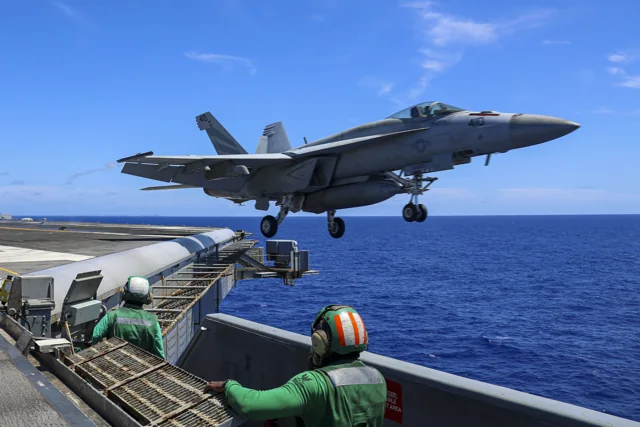
The larger E/F development of the Hornet, in single-seat and two-seat forms.
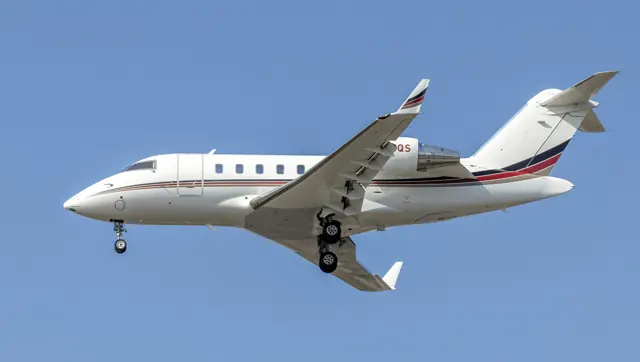
A wide-cabin business-jet family that developed from Canadair's original Challenger programme.
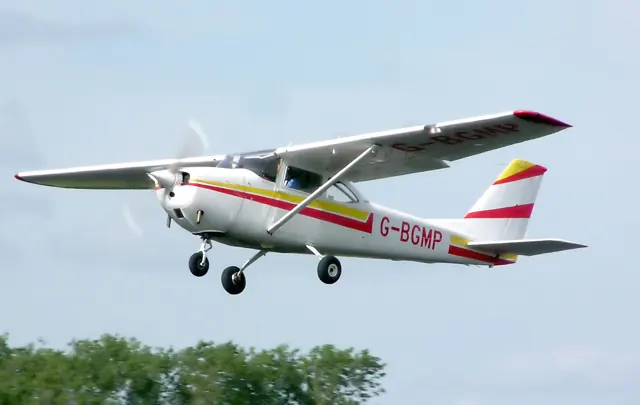
A two-seat training single with a high wing and fixed tricycle landing gear.
Cable-operated yoke controls with airspeed-dependent resistance, pitch-trim relief and a stall-warning horn.
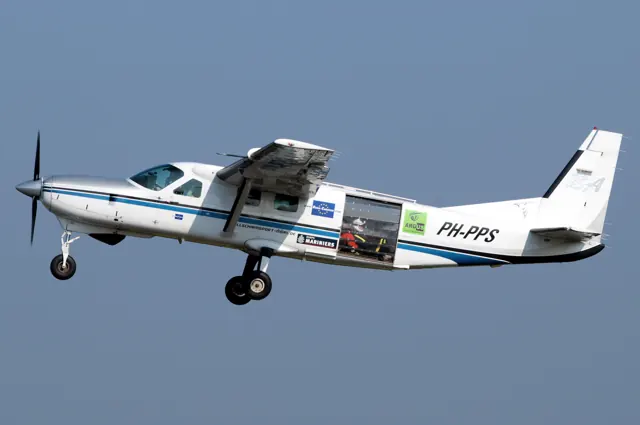
Mechanical yoke controls, roll spoilers and elevator servo tabs, with stronger roll than pitch in the cited Caravan account.
Mechanical stick controls with pitch-trim relief, airspeed-dependent resistance and low-speed flap cues.
The Halo universe’s Pelican, brought into Microsoft Flight Simulator.
Manual yoke loading and aerodynamic pitch-trim relief, with separate propeller, gear and flap cues.
Mechanical stick controls with aerodynamic pitch trim and separately tuned pitch and roll resistance.
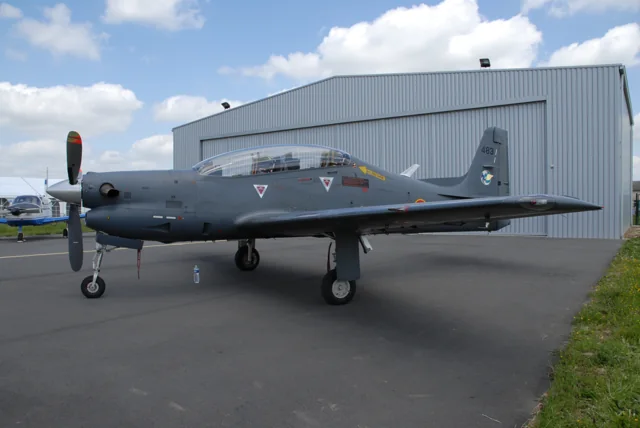
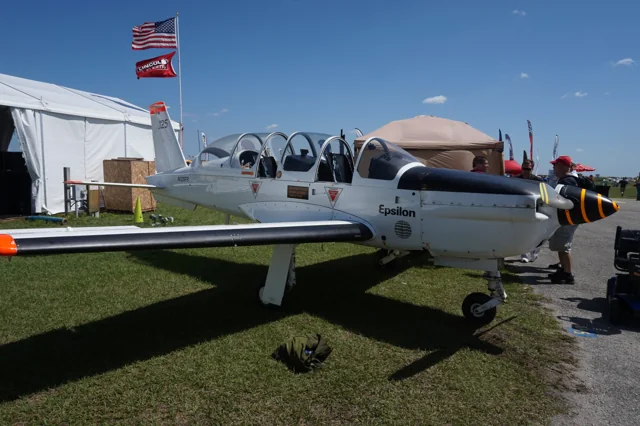
The Brazilian T-27 trainer, used for instruction and aerial demonstration.
A compact twin-engine helicopter widely used for medical, police and training work.
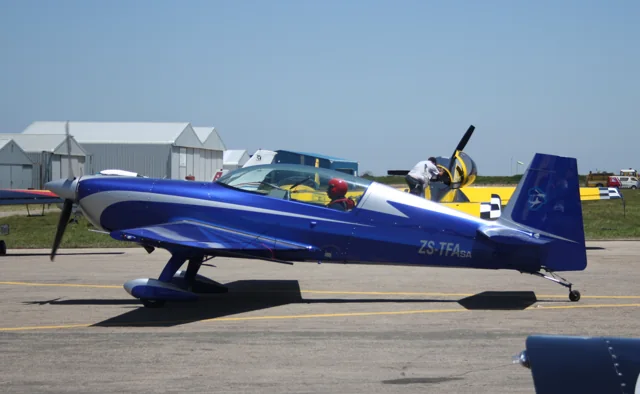
Direct mechanical aerobatic controls, with separate pitch and roll loading and pitch-trim relief.
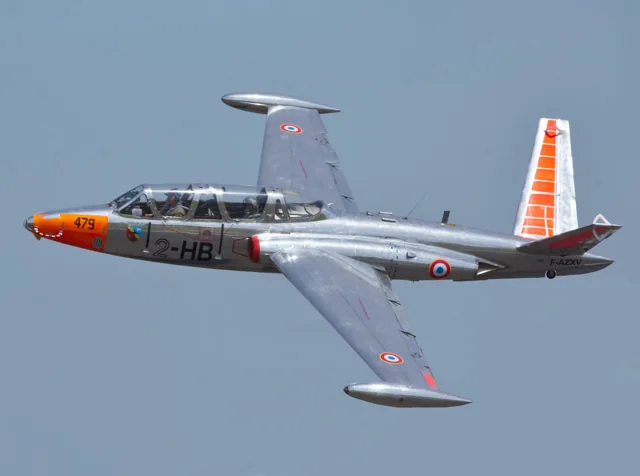
A French jet trainer with a long association with pilot instruction.
Guimbal's two-seat piston training helicopter with a three-bladed main rotor and enclosed tail rotor.
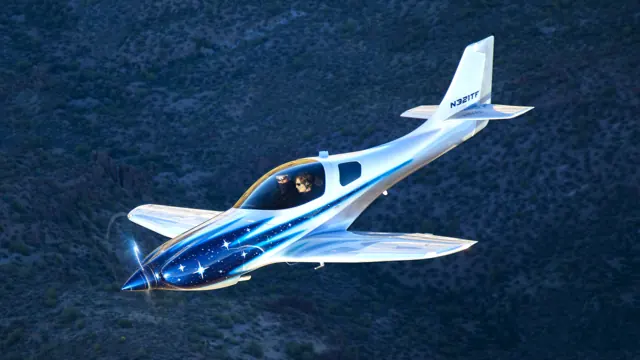
Lancair's two-seat composite kit aircraft, offered with retractable or fixed landing gear.
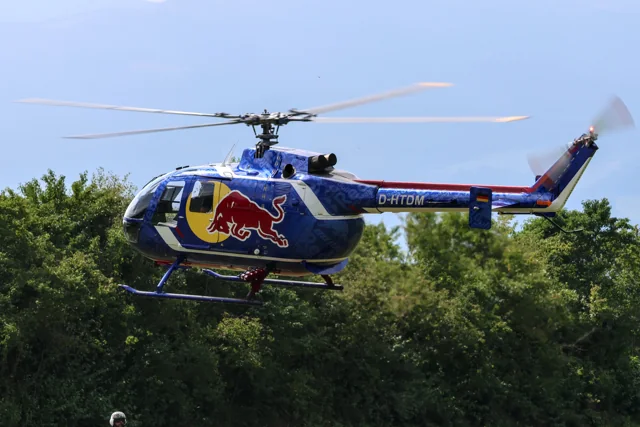
A light twin helicopter known for its hingeless rotor and agility.
Mechanical warbird controls with speed-dependent stick loading, elevator-trim relief and separate piston-engine cues.
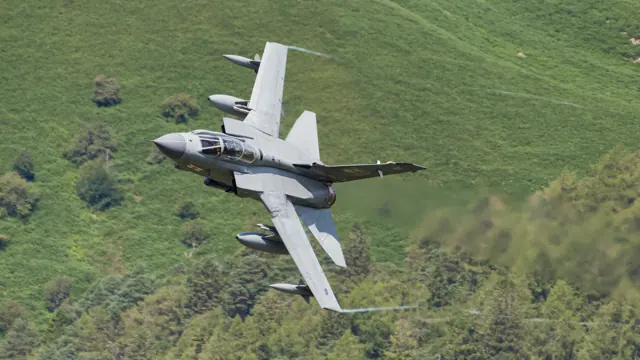
A European variable-sweep combat-aircraft family with distinct strike and interceptor versions.
Piper's retractable-gear, all-metal touring single, developed through several engine and seating versions.
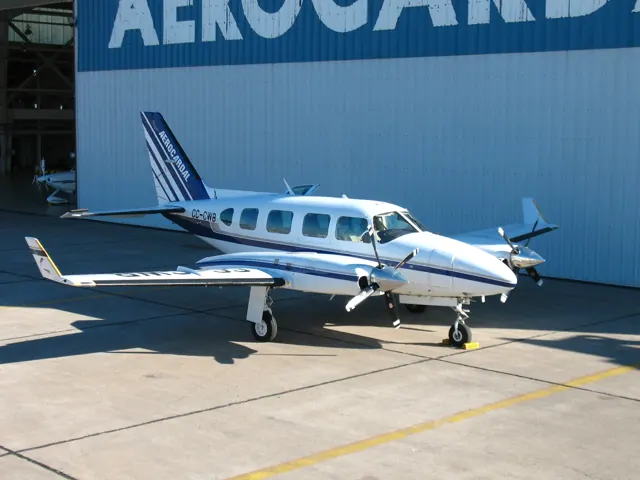
Piper's PA-31 utility twin, used in commuter, cargo and corporate transport.
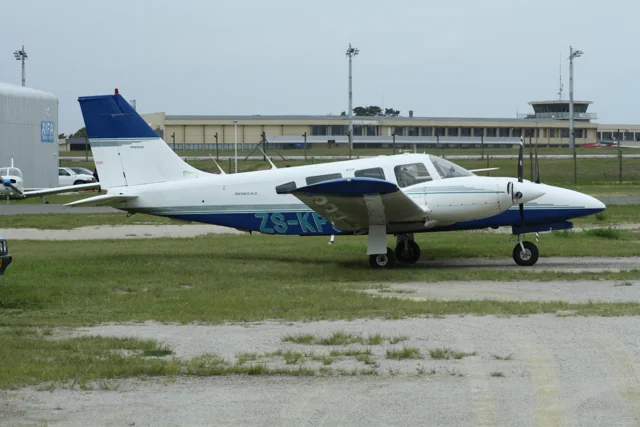
A travelling twin whose successive versions changed engines, equipment and handling.
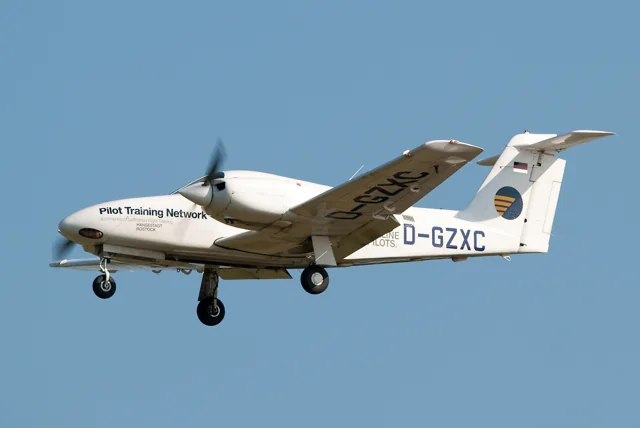
A twin-engine trainer built around the transition from single-engine flying.
A tandem-seat piston trainer with an all-metal airframe.
Mechanical soaring controls, spring trim and separate airbrake cues.
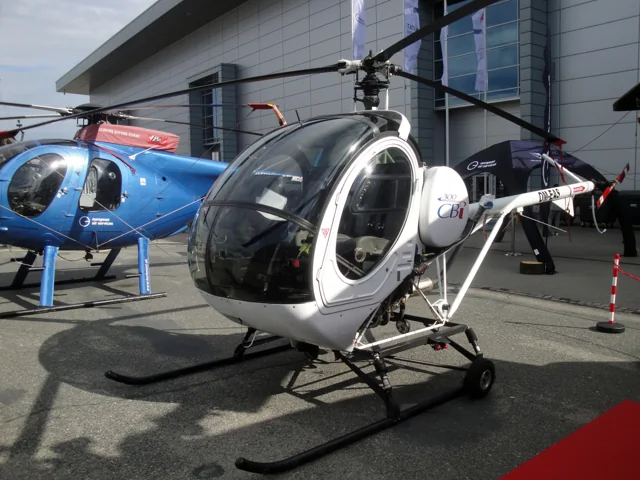
A light helicopter family closely associated with flight training.
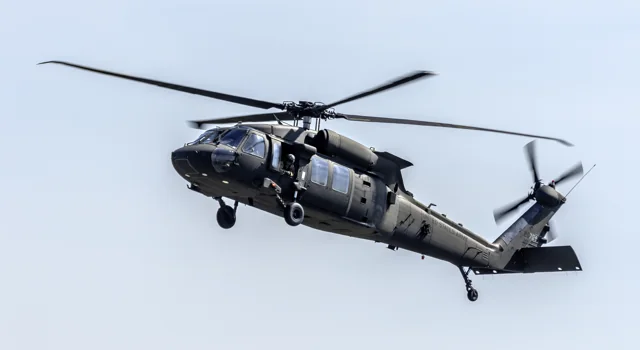
A utility helicopter whose missions range from troop transport to rescue and external lift.
New aircraft, useful sources and improvements to AirframeDB. Occasional updates, when there’s something to share.