


Start here
A few places to begin, from the aircraft’s story to the people who fly it.
Meet the aircraft
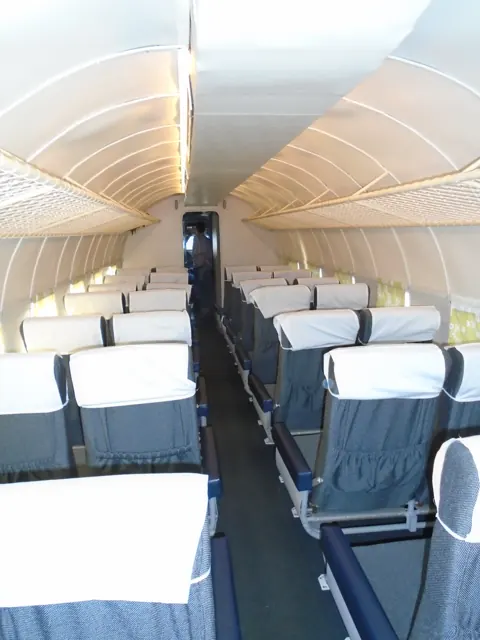
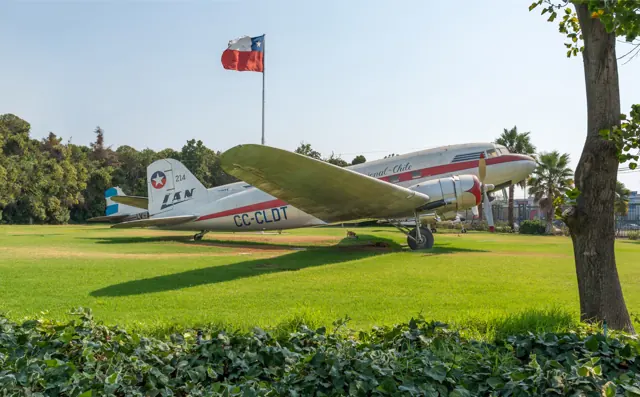
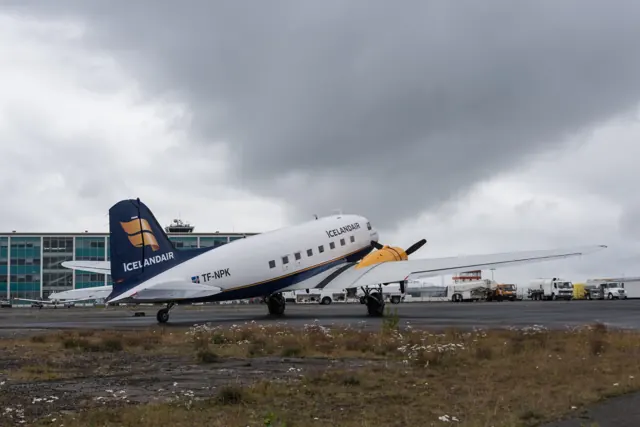
The DC-3 developed from Douglas's earlier DC-2 and sleeper-transport work. Its low-wing metal airframe, retractable main gear and two radial engines became a familiar sight on airline routes. Military derivatives expanded the design's influence during the Second World War. Civilian survivors have carried passengers and freight with a wide range of later equipment.
Aircraft background
Wikipedia contributors · Read more ↗Learning the aeroplane that shared his home airport
Schiff’s introduction to the DC-3 brought him back to the airport where he had first learned to fly. Santa Monica also happened to be the birthplace of the aircraft he was now training in. Jan Aarvik and his family supplied both the aeroplane and the instruction, turning a long-held ambition into a very personal encounter with aviation history.
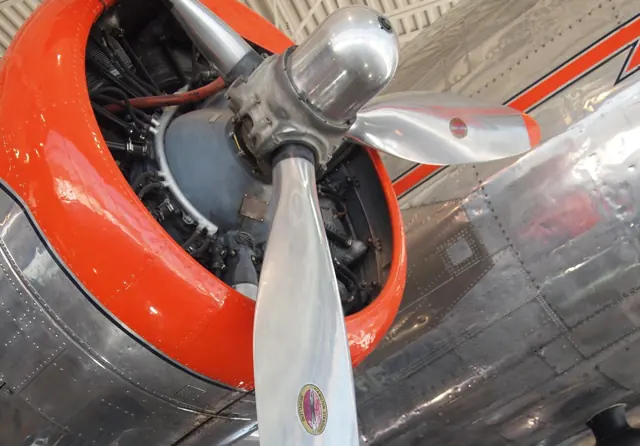
AOPA Pilot · June 1994. Training with Jan Aarvik in Wright Cyclone-powered N7500A at Santa Monica; this engine installation differs from many DC-3s.
AOPA Pilot · Read more ↗Automatic start can leave a manual reset to do
The manual explains that automatic start changes fuel and engine-control states. Returning to manual operation requires resetting the relevant controls. After automatic shutdown, displayed switch positions may no longer match the simulated state; resetting them or reloading the aircraft restores the intended starting setup.
DC-3 · Microsoft Flight Simulator · MSFS 2024 / MSFS 2020
Microsoft / aircraft developers · Read more ↗Into the cockpit
 YouTube
Probable Cause: Dan Gryder · 16 min ·
Douglas DC-3 Cockpit Ride Along Video!
A DC-3 cockpit ride-along from an operator offering flights and type-rating instruction.
Real aircraft · Douglas DC-3
Watch on YouTube ↗Preview images are served by AirframeDB. Videos open on YouTube only when you choose to watch.
Meet Douglas DC-3
The DC-3 developed from Douglas's earlier DC-2 and sleeper-transport work. Its low-wing metal airframe, retractable main gear and two radial engines became a familiar sight on airline routes. Military derivatives expanded the design's influence during the Second World War.
Civilian survivors have carried passengers and freight with a wide range of later equipment. In simulation, a vintage cockpit with a Sperry system and a modernised navigation installation are different interpretations of that long life. Their manuals explain which period and equipment the virtual aircraft represents.
Douglas DC-3
Douglas → · Explore the family →
Douglas DC-3
Wikipedia contributors · Douglas DC-3 ↗Microsoft Flight Simulator · MSFS 2024 →Microsoft Flight Simulator · MSFS 2020 →DC-3C modernised civilian conversion
VSKYLABS · VSKYLABS Aerospace Simulations Aircraft Center: VSKYLABS DC-3C Airliner ↗VSKYLABS · X-Plane 12 →Aircraft type designators
Use the code for the model you are flying. The linked authority lists the applicable aircraft.
History & design
One airframe passes through several kinds of service
The DC-3 Schiff flew began in military service in 1943 and later worked for Eastern and Mercer. John Travolta subsequently owned it before Jan and Britt Aarvik acquired it. Its later training and film work illustrates the varied second careers of surviving transports.
AOPA Pilot · Flying the DC-3 ↗Airframe history reported in 1994; not a statement of current ownership
Development milestones
First flight: December 17, 1935 ( 1935-12-17 )
Developed from: Douglas DC-2
Wikipedia contributors · Douglas DC-3 ↗Douglas DC-3 · family/variant named by the source · Wikipedia revision 1373845698
Pilot accounts
Learning the aeroplane that shared his home airport
Schiff’s introduction to the DC-3 brought him back to the airport where he had first learned to fly. Santa Monica also happened to be the birthplace of the aircraft he was now training in. Jan Aarvik and his family supplied both the aeroplane and the instruction, turning a long-held ambition into a very personal encounter with aviation history.
The first takeoff demanded a new perspective: raising the tail made the nose seem alarmingly close to the ground. In flight, substantial control forces made good trimming welcome and gave Schiff fresh respect for the crews who had worked these aircraft on airline schedules. Smaller details stayed with him too, including the open-window airflow and oil on his shirt.
AOPA Pilot · June 1994. Training with Jan Aarvik in Wright Cyclone-powered N7500A at Santa Monica; this engine installation differs from many DC-3s.
Read the full account · AOPA Pilot ↗Bringing a retired airliner home through winter
Lamb’s purchase of a retired Ariana DC-3 became a long winter journey shared first with his wife Barbara. Weather and delays disrupted the plan, and she eventually returned home to their children while he continued with Iranian pilot Mohammed Hassani. The recollection includes the improvised arrangements and admitted shortcomings that accompanied the delivery, as well as its excitement.
In Europe, maintenance and additional ferry fuel prepared the aircraft for the Atlantic crossing. A later heater failure made the journey across the cold northern route particularly uncomfortable, with blankets providing what comfort they could. Help from airport staff and an engineer became part of the story of getting home. By the time Lamb reached Canada, the purchased transport had acquired personal significance through the people and difficulties encountered along the way.
Retrospective account of ferrying CF-DBJ from Kabul to Canada. The page’s date and narrative chronology conflict; it also records qualification and equipment shortcomings.
Read the full account · DouglasDC3.com ↗A young copilot watches experience at work in fog
As a young copilot, Sohn watched Captain Bill Robbins work through a difficult arrival in fog. Repeated attempts to find a usable view of the runway gave him time to study how the captain combined instrument flying with knowledge of the surrounding ground. A fence line and differently shaped hay bales became memorable details in the effort to recognise their position.
The crew eventually landed, then dealt with the practical business of obtaining a renewed departure clearance. Years later, Sohn’s attention also turned to the people sitting behind them. He wondered what the passengers had made of the repeated manoeuvring and the limited explanation they received. The recollection therefore looks beyond the satisfaction of completing an arrival, adding a more reflective passenger perspective to a formative cockpit memory.
1999 recollection of a 1961 North Central flight in N17312 with Captain Bill Robbins. Historical cockpit practices are the author’s recollection, not present-day operating guidance.
Read the full account · DouglasDC3.com ↗In your simulator
Systems, equipment and documentation for each developer’s aircraft.
Compare simulator versions →MSFS 2024DC-3
Microsoft Flight Simulator · Released
DC-3
Microsoft Flight Simulator · Released
MSFS 2020DC-3
Microsoft Flight Simulator · Released
DC-3
Microsoft Flight Simulator · Released
X-Plane 12DC-3C Airliner
VSKYLABS · Released
DC-3C Airliner
VSKYLABS · Released
X-Plane 12DC-3 v2
Leading Edge Simulations · Released
DC-3 v2
Leading Edge Simulations · Released
Aircraft specifications
Published figures for the named real-aircraft variant. Simulator equipment and performance can differ.
| Specification | Published value |
|---|---|
| Length | 64 ft 5 in (19.7 m) |
| Wingspan | 95 ft 0 in (29.0 m) |
| Height | 16 ft 9 in (5.16 m) (level attitude) 23 ft 6 in |
| Wing area | 987 sq ft (91.7 m² ) |
| Empty weight | 16,865 lb (7,650 kg) |
| Gross weight | 25,200 lb (11,431 kg) payload w/full fuel, 3,446 lb |
| Powerplant | 2 × Pratt & Whitney R-1830-S1C3G Twin Wasp 14-cyl. air-cooled two row radial piston engine, 1,200 hp (890 kW) each |
| Propellers | 3-bladed Hamilton Standard 23E50 series, 11 ft 6 in (3.5 m) diameter hydraulically controlled constant speed, feathering |
| Maximum speed | 223 kn (257 mph, 413 km/h) at 8,500 ft (2,590 m) |
| Cruise speed | 183 kn (211 mph, 339 km/h) |
| Stall speed | 68.0 kn (78.2 mph, 125.9 km/h) |
| Range | 1,370 nmi (1,580 mi, 2,540 km) (maximum fuel, 3500 lb payload), cruise speed/range at 10,000 ft ASL, cruise fuel consumption of 94 gph at 50% power, 157kt IAS, 1,740 nm |
| Service ceiling | 23,200 ft (7,100 m) , with one engine operative, 9,000 ft |
| Rate of climb | 1,140 ft/min (5.8 m/s) , rate of climb at sea level with one engine operative, 200 fpm |
Manuals & resources
Find your next read
Choose a topic for a short introduction and a link to the original source. Simulator references identify the developer and edition they cover.
Simulator documentation
Automatic start can leave a manual reset to doDC-3 · Microsoft Flight Simulator · MSFS 2024 / MSFS 2020
The manual explains that automatic start changes fuel and engine-control states. Returning to manual operation requires resetting the relevant controls. After automatic shutdown, displayed switch positions may no longer match the simulated state; resetting them or reloading the aircraft restores the intended starting setup.
Gathered MSFS operations manual · PDF p.2
Microsoft / aircraft developers · Read the source ↗Open up the panel view and check the represented fuel systemDC-3 · Microsoft Flight Simulator · MSFS 2024 / MSFS 2020
Clicking the pedestal toggles the yokes to make the cockpit easier to inspect. The manual also states that additional cabin ferry-fuel tanks are not included in this simulation, a useful distinction from long-distance delivery aircraft described in real-world accounts.
Gathered MSFS operations manual · PDF pp.3–4
Microsoft / aircraft developers · Read the source ↗Choose a period or modernised cockpitDC-3 · Microsoft Flight Simulator · MSFS 2024 / MSFS 2020
The DC-3 guide describes trim tabs and hydraulically operated auxiliary systems. It also offers a vintage Sperry installation or a modern GNS/autopilot configuration. Those choices represent different cockpit equipment, making the selected version important when looking up navigation or automation controls.
Archived simulator manual; installed package revision not observed · PDF pp.5-6,10
Microsoft / aircraft developers · Read the source ↗Released product and variantsDC-3C Airliner · VSKYLABS · X-Plane 12
The DC-3C is a modernised civilian development based on a C-47A. VSKYLABS equips it with G1000-based avionics, a matching autopilot and a passenger cabin; the military C-47B is sold separately.
Official developer / designated-store reference · checked 2026-09-14
VSKYLABS · Read the source ↗Pilot account
Learning the aeroplane that shared his home airportAOPA Pilot · June 1994. Training with Jan Aarvik in Wright Cyclone-powered N7500A at Santa Monica; this engine installation differs from many DC-3s.
Schiff’s introduction to the DC-3 brought him back to the airport where he had first learned to fly. Santa Monica also happened to be the birthplace of the aircraft he was now training in. Jan Aarvik and his family supplied both the aeroplane and the instruction, turning a long-held ambition into a very personal encounter with aviation history. The first takeoff demanded a new perspective: raising the tail made the nose seem alarmingly close to the ground.
Barry Schiff
AOPA Pilot · Read the source ↗Bringing a retired airliner home through winterRetrospective account of ferrying CF-DBJ from Kabul to Canada. The page’s date and narrative chronology conflict; it also records qualification and equipment shortcomings.
Lamb’s purchase of a retired Ariana DC-3 became a long winter journey shared first with his wife Barbara. Weather and delays disrupted the plan, and she eventually returned home to their children while he continued with Iranian pilot Mohammed Hassani. The recollection includes the improvised arrangements and admitted shortcomings that accompanied the delivery, as well as its excitement. In Europe, maintenance and additional ferry fuel prepared the aircraft for the Atlantic crossing.
Jack Lamb
DouglasDC3.com · Read the source ↗Developer documentation
DC-3 v2 — product listingDC-3 v2 · X-Plane 12
Product listing captured 2026-09-23; edition scope from the reviewed catalogue
www.x-aviation.com · Read the source ↗Read the original documentation from the people who created it. Manuals open on their publisher’s website.
Manual
DC-3 Operations ManualMicrosoft / aircraft developers Microsoft Flight Simulator aircraft manualsMicrosoft / aircraft developersAircraft background
Douglas DC-3Wikipedia contributors · Research background · Wikipedia revision 1373845698 · retrieved 2026-09-12Resource
MSFS 2024 FAQ and edition aircraft inventoryMicrosoft MSFS 2020 FAQ and edition aircraft inventoryMicrosoftDeveloper documentation
VSKYLABS DC-3C Airliner. Highly-Engineered DC-3C simulation add-on for X-Plane.VSKYLABS · Official developer / designated-store reference · checked 2026-09-14 VSKYLABS Aerospace Simulations Aircraft Center: VSKYLABS DC-3C AirlinerVSKYLABS · Official developer / designated-store reference · checked 2026-09-14Type designator
ICAO Doc 8643 — aircraft type designatorsInternational Civil Aviation Organization · Public search data retrieved 2026-09-14; authority update 2026-09-03Product
LES Douglas DC-3 v2, X-Aviationwww.x-aviation.com · Product listing captured 2026-09-23; edition scope from the reviewed catalogueBuilt-in force-feedback profiles
Read the documentary basis, editable starting settings and remaining questions for the aircraft you fly. Each explanation refers to the exact profile revision shown.
Catalogue programme-20261022-v1 · 9 profile choices
Got Friends DC-3 Amphibian Runway
Got Friends · Free and Pro · Revision 3 · Inherited starting point
MSFS 2020
Got Friends DC-3 Amphibian Runway: Reversible yoke loading follows the manually operated transport controls.
Got Friends DC-3 Amphibian Water
Got Friends · Free and Pro · Revision 3 · Inherited starting point
MSFS 2020
Got Friends DC-3 Amphibian Water: Reversible yoke loading follows the manually operated transport controls.
Got Friends DC-3 JATO
Got Friends · Free and Pro · Revision 3 · Inherited starting point
MSFS 2020
Got Friends DC-3 JATO: Reversible yoke loading follows the manually operated transport controls.
Got Friends DC-3 JATO Skis
Got Friends · Free and Pro · Revision 3 · Inherited starting point
MSFS 2020
Got Friends DC-3 JATO Skis: Reversible yoke loading follows the manually operated transport controls.
Leading Edge Simulations DC-3 v2
Leading Edge Simulations · Free and Pro · Revision 3 · Inherited starting point
X-Plane 12
Leading Edge Simulations DC-3 v2: Reversible yoke loading follows the manually operated transport controls.
VSKYLABS DC-3 Airliner NXG
VSKYLABS · Free and Pro · Revision 4 · Inherited starting point
X-Plane 12
VSKYLABS DC-3 Airliner NXG: Reversible yoke loading follows the manually operated transport controls.
VSKYLABS DC-3 Airliner NXG Skis
VSKYLABS · Free and Pro · Revision 3 · Inherited starting point
X-Plane 12
VSKYLABS DC-3 Airliner NXG Skis: Reversible yoke loading follows the manually operated transport controls.
Douglas DC-3
Free and Pro · Revision 2 · Partial review
MSFS 2024 · MSFS 2020 · X-Plane 12
Douglas DC-3: Reversible yoke loading follows the manually operated transport controls.
Douglas DC-3 Civil Airliner Skis
Free and Pro · Revision 1 · Partial review
MSFS 2020 · MSFS 2024 · X-Plane 12
A twin-radial airliner that helped make practical passenger transport a regular business.
Got Friends DC-3 JATO
Got Friends DC-3 JATO: Reversible yoke loading follows the manually operated transport controls.
Aircraft and simulator scope
- Got Friends DC-3 JATO · Got Friends · MSFS 2020 · Add-on starting point
The simulator model and controls
The DC-3 developed from Douglas's earlier DC-2 and sleeper-transport work. Its low-wing metal airframe, retractable main gear and two radial engines became a familiar sight on airline routes. Military derivatives expanded the design's influence during the Second World War.
This profile selects Got Friends DC-3 JATO for MSFS 2020.
How this profile feels
Reversible yoke loading follows the manually operated transport controls. Spring resistance builds with the selected airspeed response. A separate aerodynamic term adds speed-dependent control load.
Elevator and aileron tabs give pitch and roll trim their own mechanisms. Valid trim provides the configured pressure relief. Autopilot following is off.
Controls and trim
The DC-3 uses manually operated primary controls and trim tabs. The reviewed packages document period Sperry and modern cockpit options, alongside continuous flap operation and different surface kits. Accessory hydraulics serve gear, flaps or automatic flight without changing the primary controls into irreversible powered surfaces.
The selected implementation
Got Friends’ DC3 JATO/ski/amphibian and Beaver surface options retain versioned equipment changes; JATO/float additions are not Duckworks-compatible.
About the values
The gains are normalized profile settings. They describe the chosen effect balance; hand force depends on the device and its output limits. IAS references are tuning values rather than operating limits. Physical acceptance of this revision remains pending.
Documentary review and sources
These decisions describe the documentary basis and remaining gaps for this revision. Aircraft documentation and a starting setting describe different kinds of evidence.
Aircraft and variant
InheritedThis profile selects Got Friends DC-3 JATO for MSFS 2020.
Flight controls
InheritedThe DC-3 uses manually operated primary controls and trim tabs. The reviewed packages document period Sperry and modern cockpit options, alongside continuous flap operation and different surface kits. Accessory hydraulics serve gear, flaps or automatic flight without changing the primary controls into irreversible powered surfaces.
Trim
InheritedElevator and aileron tabs give pitch and roll trim their own mechanisms. Pitch authority 0.3 provides load relief and permitted centre movement; roll authority is 0.
Autopilot and stability
InheritedAutopilot following is off; the configured spring and load retain the hardware feel.
Equipment
InheritedGot Friends’ DC3 JATO/ski/amphibian and Beaver surface options retain versioned equipment changes; JATO/float additions are not Duckworks-compatible.
Speeds and limits
InheritedThe indicated-speed references set the profile response scale; they are separate from aircraft operating limits.
Simulator integration
InheritedThe profile targets msfs2020. Add-on-specific controls use only the supported references configured by this profile.
Force-feedback settings
InheritedThe settings define the profile’s effect balance. Device output limits affect physical hand force.
Starting settings and their rationale
These configured values are starting estimates. The explanations describe what each setting controls; physical validation appears separately below.
| Setting | Starting value | What it controls and why |
|---|---|---|
| Spring strength | Starting value0.74 | What it controls and whyReversible yoke loading follows the manually operated transport controls. The baseline spring is 0.74. Its low-speed blend reaches baseline strength at 65 KIAS. |
| Master force gain | Starting value0.85 | What it controls and whyScales overall profile strength while preserving effect balance, subject to device and output limits. |
| Profile force gain | Starting value0.8 | What it controls and whyThe aerodynamic-load gain is 0.8 with an indicated-speed reference of 145 KIAS. This supplies speed-dependent loading alongside the spring. |
| Force tuning speed/reference | Starting value145 kt | What it controls and whySets the IAS reference for aerodynamic loading. It is an estimate, not published cruise TAS or a flight limit. |
| Spring response reference speed | Starting value65 kt | What it controls and whySets the IAS where the low-speed blend reaches baseline strength; high-speed stiffening also uses it. |
| Aileron force scale | Starting value0.72 | What it controls and whyRoll and pitch aerodynamic scales are 0.72 and 1, respectively. They set the aerodynamic axis balance. No custom spring-travel curve is enabled. |
| Elevator force scale | Starting value1 | What it controls and whyScales pitch aerodynamic loading; pitch spring travel and trim responses are separate settings. |
| Trim feel | Starting valueDisabled | What it controls and whyRetained for compatibility and group membership. Trim relief, rather than this flag, controls centre movement. |
| Trim relief | Starting valueEnabled | What it controls and whyAllows trim relief with supported control law and valid telemetry. Axis authorities set its amount. |
| Autopilot follow | Starting valueDisabled | What it controls and whyAutopilot following is off; the configured spring and load retain the hardware feel. |
| Autopilot neutral hold | Starting valueDisabled | What it controls and whyPermits centering hold during a supported AP state, separate from following a moving target. |
| Output force limit | Starting value0.55 | What it controls and whyCaps directed-force output. Native spring effects and device limits remain separate. |
All 44 starting settings and their rationale
The settings define the profile’s effect balance. Device output limits affect physical hand force.
| Setting | Starting value | What it controls and why |
|---|---|---|
| Spring strength | Starting value0.74 | What it controls and whyReversible yoke loading follows the manually operated transport controls. The baseline spring is 0.74. Its low-speed blend reaches baseline strength at 65 KIAS. |
| Spring deadband | Starting value0.04 | What it controls and whySets travel around the centre before the baseline spring resists. Smaller values engage it sooner. |
| Profile force gain | Starting value0.8 | What it controls and whyThe aerodynamic-load gain is 0.8 with an indicated-speed reference of 145 KIAS. This supplies speed-dependent loading alongside the spring. |
| Master force gain | Starting value0.85 | What it controls and whyScales overall profile strength while preserving effect balance, subject to device and output limits. |
| QBlend Enabled | Starting valueEnabled | What it controls and whyAllows baseline spring strength to rise with indicated airspeed where the control law permits it. |
| QSpring Minimum Factor | Starting value0.55 | What it controls and whySets low-speed spring strength as a fraction of baseline when blending is enabled. One keeps full strength. |
| QSpring Start Knots | Starting value8 kt | What it controls and whySets the IAS where the low-speed spring blend starts rising. This is a feel threshold, not a flight limit. |
| Spring response reference speed | Starting value65 kt | What it controls and whySets the IAS where the low-speed blend reaches baseline strength; high-speed stiffening also uses it. |
| Force tuning speed/reference | Starting value145 kt | What it controls and whySets the IAS reference for aerodynamic loading. It is an estimate, not published cruise TAS or a flight limit. |
| Airspeed spring stiffening gain | Starting value0.15 | What it controls and whyThe high-speed spring-stiffening gain is 0.15. It strengthens the permitted spring response above 65 KIAS, with the squared-speed ratio capped at 5. |
| Airspeed spring stiffening limit | Starting value5 | What it controls and whyLimits the squared airspeed ratio used for high-speed spring stiffening; it is not a device-force cap. |
| Aileron force scale | Starting value0.72 | What it controls and whyRoll and pitch aerodynamic scales are 0.72 and 1, respectively. They set the aerodynamic axis balance. No custom spring-travel curve is enabled. |
| Elevator force scale | Starting value1 | What it controls and whyScales pitch aerodynamic loading; pitch spring travel and trim responses are separate settings. |
| Output force limit | Starting value0.55 | What it controls and whyCaps directed-force output. Native spring effects and device limits remain separate. |
| Trim feel | Starting valueDisabled | What it controls and whyRetained for compatibility and group membership. Trim relief, rather than this flag, controls centre movement. |
| Trim relief | Starting valueEnabled | What it controls and whyAllows trim relief with supported control law and valid telemetry. Axis authorities set its amount. |
| Elevator Authority | Starting value0.3 | What it controls and whyElevator and aileron tabs give pitch and roll trim their own mechanisms. Pitch authority 0.3 provides load relief and permitted centre movement; roll authority is 0. |
| Aileron Authority | Starting value0 | What it controls and whyScales supported roll-trim relief and permitted centre movement. Zero removes roll response. |
| Force Trim Enabled | Starting valueDisabled | What it controls and whyEnables local force trim, separate from aircraft-owned trim and add-on integration qualification. |
| GLoad Enabled | Starting valueEnabled | What it controls and whyAllows load-factor changes to modify permitted spring laws. Passive fly-by-wire feel can suppress it. |
| Rate Damping Enabled | Starting valueEnabled | What it controls and whyEnables rate damping with the configured coefficients and control law. |
| Autopilot follow | Starting valueDisabled | What it controls and whyAutopilot following is off; the configured spring and load retain the hardware feel. |
| Autopilot follow authority | Starting value0.1 | What it controls and whySets admitted AP-follow gain, not a percentage of travel. Runtime ownership and input limits still apply. |
| Autopilot neutral hold | Starting valueDisabled | What it controls and whyPermits centering hold during a supported AP state, separate from following a moving target. |
| Autopilot neutral hold strength | Starting value0.6 | What it controls and whySets admitted AP neutral-hold strength; inactive while neutral hold is disabled. |
| Enabled | Starting valueEnabled | What it controls and whyEnables aerodynamic cues; each still needs nonzero strength and its simulator conditions. |
| Gain | Starting value0.35 | What it controls and whySets stall-buffet strength. Zero removes the cue without changing simulator stalls or warnings. |
| Gain | Starting value0 | What it controls and whySets high-Mach buffet strength; onset and full-strength thresholds are separate. |
| Gain | Starting value0 | What it controls and whySets flap buffet at the configured position and speed gates. Flap movement texture is separate. |
| Maximum flap index | Starting value3 | What it controls and whySets the final flap index for detent normalization. UP plus three detents uses maximum index3. |
| Minimum flap index | Starting value2 | What it controls and whySets the first flap detent that admits buffet; this is a handle index, not degrees. |
| Gain | Starting value0 | What it controls and whySets gear aerodynamic buffet; movement and ground-contact cues are separate. |
| Shaker Enabled | Starting valueDisabled | What it controls and whyPermits shaker at supported warning conditions; the switch does not establish aircraft equipment. |
| Stick shaker amplitude | Starting value0.5 | What it controls and whySets triggered shaker strength; inactive while the shaker feature is disabled. |
| Enabled | Starting valueEnabled | What it controls and whyEnables ground effects; each still needs its own strength and contact or motion telemetry. |
| Gain | Starting value0.4 | What it controls and whySets rolling texture strength, modified by speed, surface and undercarriage configuration. |
| Gain | Starting value0.25 | What it controls and whySets gear-bump texture during ground motion, separate from touchdown impact. |
| Gain | Starting value0.65 | What it controls and whySets landing-impact strength; landing telemetry and response shape determine the pulse. |
| Gain | Starting value0 | What it controls and whySets reverse-thrust vibration with valid reverser and engine conditions. Zero removes the cue. |
| Enabled | Starting valueEnabled | What it controls and whyEnables engine cues with nonzero settings and valid running-engine telemetry. |
| Gain | Starting value0.12 | What it controls and whySets estimated engine vibration using configured telemetry and response, not measured cockpit vibration. |
| Enabled | Starting valueEnabled | What it controls and whyEnables accessory cues with configured strengths and observed accessory movement. |
| Gain | Starting value0.12 | What it controls and whySets texture from observed flap movement; a command without movement does not establish the cue. |
| Gain | Starting value0.025 | What it controls and whySets texture from observed gear movement, separate from aerodynamic and touchdown effects. |
Limits and open questions
- Manual transport yoke approximation; configuration-specific contact behavior. No body-rate or acceleration force added for rocket thrust.
- Pitch relief .18 only. The expansion source does not specify a complete roll-tab/inceptor relationship; no invented lateral trim coefficient.
- Sperry/WorkingTitle compatibility fixes are documented; they do not establish calibrated AP servo demand. Follow and neutral hold disabled.
- Read-only motion and accessory telemetry. No guessed custom servo outputs, input compensation or hardware writes outside the production Armed force path. Installed identity remains unobserved. Runway/water presets do not auto-switch. Bind the selected preset when titles omit Got Friends. JATO and float variants require Duckworks disabled; the default DC3 may still use Duckworks separately.
- 145 KIAS is an estimated control-feel reference, not cruise TAS, V-speeds or an operating limit.
- Spring 0.74, lateral scale 0.7, trim relief 0.18/0; editable estimates, not measured hand forces.
- Physical and installed-aircraft checks are deferred. Save this profile as the aircraft default if telemetry omits its developer or configuration.
- Only actual accessory-position changes drive movement textures. No pressure-dependent failures, guessed servo outputs or input compensation.
Physical validation
No physical force validation is recorded in this public catalogue for this revision. Documentary review and software checks do not establish how a particular device feels.
Discuss this aircraft (0)
Questions, observations and useful sources from the community.
No published discussions yet. Bring a question or share a useful source.
Open aircraft discussions →Content expanded · What’s new
Something missing or a source that needs attention?
Suggest a correction ↗