MSFS
Boeing 707-320C ↗
A four-engine jetliner that helped establish the shape of long-distance jet travel.
1 implementations+ Compare
Explore the aircraft. Find your simulator. Follow the sources.
A four-engine jetliner that helped establish the shape of long-distance jet travel.
A short-haul jet family that evolved through several generations of engines, wings and flight decks.
A huge wooden flying-boat prototype that made one brief flight in 1947.
A six-engine heavy transport created for exceptionally large external and internal loads.
A compact Japanese twin turboprop with a high wing and pressurised cabin.
A composite touring single with a whole-aircraft parachute and several generations of avionics.
A pressurised four-engine piston transport from the last major generation before the jet airliner.
An amphibious turboprop designed around scooping water and delivering it to fires.
A full-length double-deck airliner built for very high passenger capacity.
A corrugated-metal transport best known in its three-engine form.
A single-engine utility helicopter known as the Écureuil, Squirrel and AStar.
A wooden touring-aircraft family recognisable by the upward-angled outer wing panels.
A low-wing piston family that spans simple trainers, touring aircraft and retractable-gear Arrows.
A shorter wide-body Airbus from the transition to two-pilot, electronic-instrument cockpits.
A pioneering all-metal transport with an enclosed passenger cabin and corrugated skin.
A composite, low-wing touring single with fixed gear and a turbocharged engine.
A long-running touring single, familiar in both V-tail and conventional-tail forms.
A Polish utility aircraft designed for short takeoffs and landings.
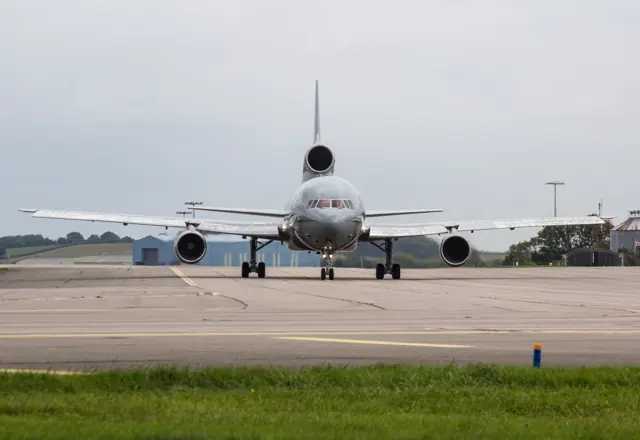
Lockheed's wide-body TriStar, with three RB211 engines and a distinctive tail intake.
A two-seat naval fighter with variable-sweep wings and a cockpit built around pilot and radar-intercept officer roles.
A self-launching sailplane family with its engine inside the fuselage and a folding nose propeller.
A high-wing utility aircraft known for short-field work and a broad choice of working configurations.
A modern medium twin-engine helicopter developed as a successor to the Dauphin line.
The second-generation Harrier, designed around vectored thrust and short-field operation.
This is AirframeDB’s first release. More features and aircraft research are planned. Leave your email if you’d like occasional updates.