MSFS
Aérospatiale Gazelle ↗
A compact utility helicopter distinguished by its enclosed Fenestron tail rotor.
1 implementations+ Compare
Explore the aircraft. Find your simulator. Follow the sources.
A compact utility helicopter distinguished by its enclosed Fenestron tail rotor.
A twin-turbine Huey descendant with a four-blade main rotor.
An Italian light aircraft known for military training and aerobatic use.
A modern composite twin with a roomy cabin and two wing-mounted piston engines.
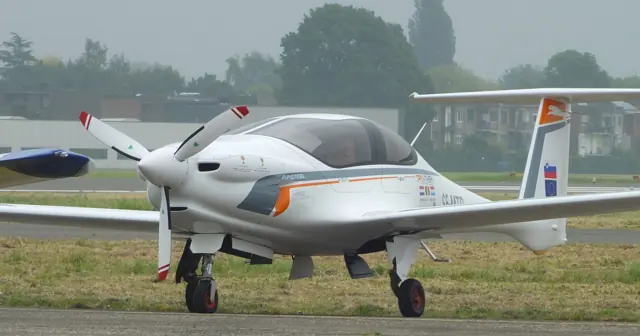
Pipistrel's streamlined four-seat composite-aircraft design.
Cessna's unusual piston-powered helicopter, marketed as the Skyhook.
A single-seat aerobatic monoplane that also became a familiar air-racing aircraft.
SOCATA's touring-aircraft family, including the Tobago and Trinidad.
A stretched development of the DC-9 with rear-mounted engines and a five-abreast cabin.
A pioneering all-metal transport with an enclosed passenger cabin and corrugated skin.
A British utility twin built around short regional and practical transport work.
A cabin biplane with the lower wing placed ahead of the upper one.
The Wilga is the real-aircraft starting point for Mike Patey's DRACO and the simulator's DRACO X.
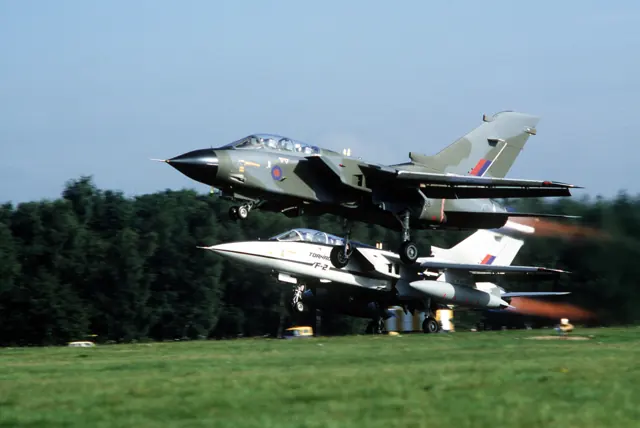
A European variable-sweep combat-aircraft family with distinct strike and interceptor versions.
A pressurised four-engine piston transport from the last major generation before the jet airliner.
A DC-10-derived tanker that combined aerial refuelling with passenger and cargo transport.
A push-pull twin with one engine at each end of the central fuselage.
A British jet trainer with tandem seating and a long military training career.
A small two-seat piston helicopter with a two-bladed main rotor.
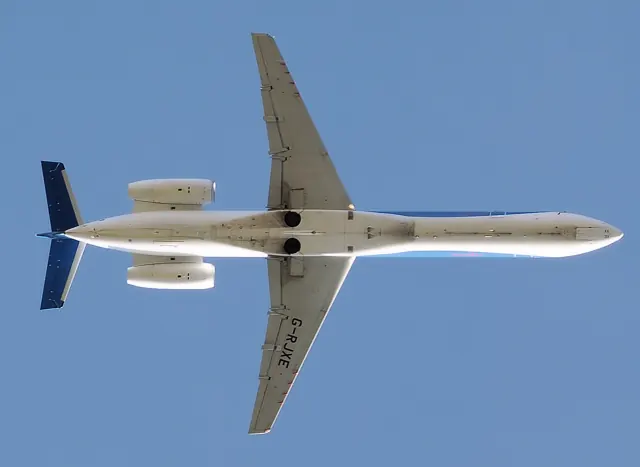
Embraer's regional-jet family, from the ERJ 135 to the longer ERJ 145.
A radial-engine trainer that also served in combat and civilian warbird roles.
A long-range fighter whose different engine and canopy developments produced several distinct forms.
A long-range trijet developed from the DC-10 with a stretched fuselage and revised wing and cockpit.
A French two-seat aerobatic trainer with side-by-side seating and a distinctive curved wing outline.
This is AirframeDB’s first release. More features and aircraft research are planned. Leave your email if you’d like occasional updates.